




Why the leaf hinge still matters in industrial equipment
After spending over a decade in the industrial equipment sector, I can honestly say the humble leaf hinge doesn’t get nearly enough credit. You might think it’s just some simple, forgettable component — a metal piece that bends and holds two things together — but it’s way more than that. In fact, understanding the variety, application, and quality of leaf hinges can mean the difference between machinery that lasts a decade and one that needs constant repair.
Oddly enough, when I first started, I underestimated just how much design details in hinges influence larger equipment performance. From steel grades to manufacturing nuances, the choices are plenty — and not all suppliers are equal.
What exactly is a leaf hinge?
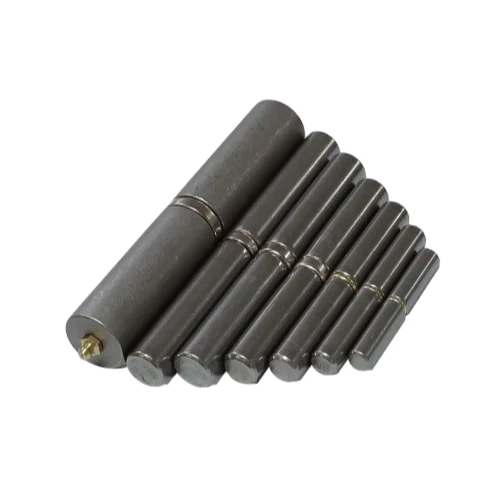
In simple terms, a leaf hinge is made of two flat plates (or "leaves") joined by a pin. These leaves are mounted onto separate surfaces and allow for rotational movement, like the swing of a door or equipment panel. They’re widely used in heavy-duty gear, including industrial cabinets, shipping containers, and some rugged equipment housings.
Now, the differences begin when you start thinking about size, material, surface finish, and the kind of load they're designed to carry. For instance, a stainless steel leaf hinge for outdoor applications is built to resist rust and corrosion, while a mild steel hinge might be ideal for indoor, light-use scenarios.
Material & design: The unsung heroes of durability
I’ve worked with leaf hinges made of everything from stainless steel (304, 316 grades) to galvanized steel and even some aluminum alloys. Generally, higher alloy content like 316 stainless helps in harsh environments, especially with chemical exposure or salt spray — something that isn’t obvious at first glance.
The leaf thickness and pin diameter also matter a lot. I remember a case when a customer picked a hinge with a thinner leaf to cut costs — it failed within months under heavy vibration. Lesson learned: short-term saving isn’t worth it here. For industrial use, think 2.5-4 mm thick leaves and pins hardened for wear resistance.
Testing and standards
Reliable leaf hinges undergo rigorous testing for load strength, corrosion resistance, and fatigue cycling. I’ve seen suppliers comply with standards like ISO 9227 for salt spray testing and some ASTM specs for mechanical strength. These things might sound dry, but they’re crucial for products that get daily abuse in factories or construction sites.
Frankly, it pays off to deal with vendors that publish their test data openly. It signals confidence, which is not something you always see in this segment.
Product specifications at a glance
| Specification | Typical Value / Options |
|---|---|
| Material | 304 / 316 Stainless Steel, Galvanized Steel |
| Leaf Thickness | 2.5 mm to 4 mm |
| Pin Type | Welded Pin, Removable Pin |
| Finish | Electropolished, Powder Coated, Galvanized |
| Load Capacity | Up to 200 kg per hinge |
| Standard Dimensions | 50 mm x 50 mm, 75 mm x 75 mm, 100 mm x 100 mm |
Comparing vendors: What to watch for
When choosing a leaf hinge vendor, it’s not just about price — though I suppose price always sneaks into the conversation. What matter more are quality consistency, lead time, and customizability. Some suppliers will happily modify finishes or produce custom sizes, which can make a big difference.
| Feature | Vendor A (AoBang Metal) | Vendor B | Vendor C |
|---|---|---|---|
| Material Options | 304 & 316 Stainless, Galvanized | 304 Stainless Only | Mild Steel & Aluminum |
| Customization | Custom sizes & finishes | Limited to standard sizes | No customization |
| Lead Times | 2-3 weeks typical | 4-6 weeks | 3-5 weeks |
| Quality Assurance | Full testing & certificates | Limited documentation | No testing info provided |
| Typical Usage | Heavy industrial & outdoor | Light-duty indoor only | Non-industrial applications |
A quick story from the field
I recall a client who switched to leaf hinges from AoBang for their equipment doors after repeated failures from cheaper parts. Within months, they noticed less downtime and no corrosion issues, despite rough outdoor conditions. Sometimes, investing a little more upfront really saves headaches down the road.
In real terms, a good leaf hinge isn’t just a pivoting metal piece; it’s a quiet workhorse holding your equipment's integrity together. So next time you see one, give it a glance — it might be doing more than you thought.
References:
1. ISO 9227:2017 – Corrosion tests in artificial atmospheres
2. ASTM A240 – Standard Specification for Stainless Steel Sheet & Strip
3. Field notes from 12+ years in industrial equipment maintenance

-
Heavy Duty Ramp Gate Hinges Guide for Industrial EquipmentNewsApr.16,2026
-
Guide to Selecting the Right Ramp Door Spring Hinge for TrailersNewsApr.09,2026
-
Comprehensive Guide to Livestock Trailer Gate Hinges for Durable PerformanceNewsApr.07,2026
-
Choosing the Right Heavy Duty Hinges for Ramps A Comprehensive GuideNewsApr.04,2026
-
Comprehensive Guide to Choosing the Right Enclosed Trailer Ramp Door Extension HingeNewsMar.31,2026
-
Comprehensive Guide to Bi Fold Trailer Gate Hinges for Optimal PerformanceNewsMar.28,2026
-
Comprehensive Guide to Durable Aluminum Trailer Ramp Hinges for Optimal PerformanceNewsMar.26,2026