




The Unsung Importance of Cupboard Hinges in Everyday Life
It might sound a bit quirky, but cupboard hinges are one of those small things we rarely acknowledge until they stop working. Yet, if you stop and think, these tiny mechanical marvels hold doors together, enable smooth opening and closing, and support the longevity of countless cabinets worldwide. Globally, cupboard hinges impact furniture manufacturing, infrastructure, and even humanitarian housing projects, making them surprisingly significant in our everyday environments and industries alike.
Understanding cupboard hinges means appreciating the small yet essential components that allow us to organize, secure, and access spaces safely and efficiently—whether at home, in offices, or public facilities.
Why Cupboard Hinges Matter Globally: An Industry Snapshot
Across the globe, furniture manufacturing is a multi-billion-dollar industry. According to the UN’s Industrial Development Organization, furniture production employs over 10 million people worldwide and generates $490 billion annually. Cupboard hinges—though humble—drive much of this industry’s performance in supplying kitchens, offices, and wardrobes.
However, hinges are more than just functional hardware; they solve real-world problems like durability, safety, and space optimization. For instance, in post-disaster housing and temporary shelters, cupboards and their hinges are part of modular designs that bring much-needed order and security to living spaces. The challenge? Designing hinges that withstand varying climates, repeated use, and even rough transportation.
Mini takeaway: Cupboard hinges connect the dots between core furniture functionality and wider industrial and humanitarian needs worldwide.
What Exactly Are Cupboard Hinges?
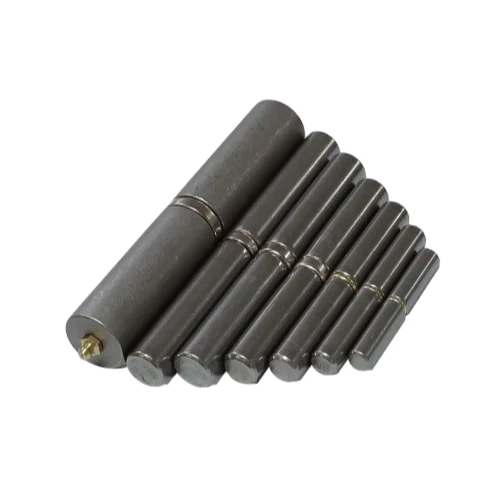
Put simply, cupboard hinges are mechanical bearings that attach doors to cupboards, allowing them to swing open and closed. They come in a variety of designs—concealed, semi-concealed, or exposed—to suit different aesthetics and functional demands.
But beyond their basic role, hinges are a small yet powerful part of industrial systems. Their design reflects principles of durability, ergonomics, and even sustainability. Remarkably, innovations in hinges connect to broader goals like reducing waste by extending furniture life or facilitating easy repairs.
Mini takeaway: Cupboard hinges are modest yet vital engineering components that blend function and form in modern design and global industries.
Key Features that Make Cupboard Hinges Tick
Durability and Material Quality
Cupboard hinges must withstand constant movement and weight. Quality materials like stainless steel, brass, or zinc alloy are popular. For example, stainless steel resists corrosion, which matters a lot in humid regions or kitchens. Durability ensures users don’t frequently replace or fix their cabinet doors.
Smooth Movement & Load Bearing
Most users expect a cupboard door to close softly and open with ease. This requires good engineering of the hinge’s pivot points and bearings. Load-bearing capacity is critical, especially for heavier doors made of solid wood or glass.
Adjustability for Precision
Modern hinges often allow fine adjustments, helping installers align doors perfectly. This not only optimizes aesthetics but improves functionality by preventing misaligned doors that can wear out faster.
Cost-efficiency & Scalability
Manufactures balance hinge quality with cost. Bulk orders can lower costs, but corner-cutting leads to premature failure. The best vendors provide scalable models adaptable for both small workshops and mass manufacturers.
Aesthetics and Concealment
Some hinges are fully concealed, meaning the mechanism isn’t visible from outside—a key feature for sleek modern cabinetry. This marries style with function.
Installation and Compatibility
Easily installed hinges compatible with standard cupboard designs help reduce time and error during assembly. This matters immensely for large projects or when time is tight.
Mini takeaway: From material to mechanics and design, the right hinge is a blend of durability, precision, and cost that adapts to user needs.
How Cupboard Hinges Fit into Global Markets & Practical Use Cases
From Scandinavia’s sleek kitchens to rural homes in Southeast Asia, cupboard hinges are everywhere. In industrial zones, they protect equipment by securing cabinets; in office spaces, they ensure seamless access to storage; and in humanitarian shelters, cabinets equipped with durable hinges give displaced families a semblance of home comfort.
Organizations like the International Federation of Red Cross and Red Crescent Societies (IFRC) use hinged cabinetry in temporary housing kits for disaster zones. Hinges here must be resilient, easy to install, and capable of enduring harsh transport.
Meanwhile, manufacturers in China and Europe produce a variety of hinges catering to diverse climates, budget levels, and applications. The Asian market, in particular, has seen a rise in demand for affordable yet reliable cupboard hinges in burgeoning middle-class households.
Mini takeaway: Whether it's luxury interiors or emergency relief, cupboard hinges adapt to many environments and needs worldwide.
Advantages and Longevity of Quality Cupboard Hinges
Selecting durable cupboard hinges means fewer repairs, less waste, and improved safety. Stable door operation reduces injury risks, a crucial consideration in homes with children or the elderly. Plus, long-lasting hinges lower environmental footprints because furniture requires replacing less often.
Emotionally, a reliably functioning cupboard door offers peace of mind—it’s odd, but I notice that little things like this make spaces feel “right.” And logically, investing a bit more upfront can save both time and money over years.
Mini takeaway: Good cupboard hinges combine safety, sustainability, and user satisfaction—a rare win-win.
Trends and Innovations in the Cupboard Hinge World
Oddly enough, cupboard hinges have not stood still. Smart homes increasingly incorporate soft-close and self-closing hinges with built-in dampers and sensors. Some high-end models integrate magnetic features for silent operation.
Environmentally, manufacturers are exploring recycled metals and coatings that reduce corrosion without heavy chemicals—helping with sustainability certifications like ISO 14001. Digital manufacturing techniques also allow bespoke hinge designs printed or milled on demand.
Mini takeaway: Technology and sustainability are quietly transforming cupboard hinges into smarter, greener hardware.
Common Challenges and Practical Solutions
Challenges with cupboard hinges usually come down to poor material choices, incorrect installation, or environmental wear—like rust in coastal zones. An improperly installed hinge ruins the user experience quickly.
The best solutions? Selecting quality suppliers who offer technical support, prioritizing corrosion-resistant finishes, and training installers on precise adjustments. Modular design also helps: clips and easy replacements reduce repair headaches.
Mini takeaway: Quality, installation, and environment-aware choices are key to hinge longevity.
Product Specification Table: Example Cupboard Hinges
| Feature | Model A (Standard) | Model B (Soft-Close) | Model C (Heavy Duty) |
|---|---|---|---|
| Material | Zinc Alloy | Stainless Steel | Stainless Steel + Reinforced Bearings |
| Load Capacity | 15 kg | 12 kg | 30 kg |
| Opening Angle | 110° | 105° | 120° |
| Finish | Nickel Plated | Matte Chrome | Powder Coated |
| Soft-Close Feature | No | Yes | Optional |
Vendor Comparison: Leading Cupboard Hinge Suppliers
| Supplier | Country | Minimum Order Qty | Lead Time | Specialization |
|---|---|---|---|---|
| Aobang Metal | China | 500 pcs | 2 weeks | Custom hinges, bulk orders |
| Hettich | Germany | 100 pcs | 1 week | High-precision soft-close |
| Sugatsune | Japan | 200 pcs | 2 weeks | Innovative design, durability |
FAQ: Your Cupboard Hinges Questions Answered
- Q: What types of cupboard hinges are best for kitchen cabinets?
- For kitchens, soft-close concealed hinges are highly recommended because they provide quiet operation, prevent door slamming, and enhance aesthetics by hiding the hardware. Stainless steel or corrosion-resistant finishes are preferred to withstand humidity and frequent use.
- Q: How can I tell if my cupboard hinges need replacing?
- Signs include doors that sag, fail to close properly, squeak, or show visible rust or wear. If you notice difficulty in opening or closing the door or misalignment, it could be time to replace or repair the hinges.
- Q: Are there eco-friendly cupboard hinge options available?
- Yes, some manufacturers offer hinges made from recycled metals or with finishes that reduce environmental impact. Choosing durable hinges also contributes to sustainability by extending furniture lifespan and reducing waste.
- Q: Can cupboard hinges be adjusted after installation?
- Most modern hinges feature adjustment screws allowing you to tweak the door alignment in three directions: up/down, left/right, and in/out. This precision makes installations easier and improves the overall lifespan of cabinets.
Wrapping Up: Why Quality Hinges Make a Long-Term Difference
Cupboard hinges may be small, but they hold up the entire door—literally and figuratively. Investing in high-quality, durable hinges means better functionality, safety, and satisfaction for years. Plus, with ongoing innovation and growing environmental awareness, the humble hinge is evolving quietly but surely into a smarter, greener component.
Interested in upgrading your furniture or manufacturing projects with quality hinges? Visit our website: https://www.aobangmetal.com to explore options that meet both your budget and durability needs.
References
-
Heavy Duty Ramp Gate Hinges Guide for Industrial EquipmentNewsApr.16,2026
-
Guide to Selecting the Right Ramp Door Spring Hinge for TrailersNewsApr.09,2026
-
Comprehensive Guide to Livestock Trailer Gate Hinges for Durable PerformanceNewsApr.07,2026
-
Choosing the Right Heavy Duty Hinges for Ramps A Comprehensive GuideNewsApr.04,2026
-
Comprehensive Guide to Choosing the Right Enclosed Trailer Ramp Door Extension HingeNewsMar.31,2026
-
Comprehensive Guide to Bi Fold Trailer Gate Hinges for Optimal PerformanceNewsMar.28,2026
-
Comprehensive Guide to Durable Aluminum Trailer Ramp Hinges for Optimal PerformanceNewsMar.26,2026