




Field Gate Hinges: The Small Yet Vital Piece in Global Infrastructure
Have you ever paused to think about what keeps gates swinging smoothly on farms, at remote facilities, or across sprawling industrial sites worldwide? That humble piece of hardware—the field gate hinge—might seem like a minor detail, but it holds quite a bit of weight in global infrastructure. From rural agricultural lands in Africa to industrial zones in Asia, these hinges are quietly doing the job, ensuring security, safety, and accessibility. Understanding their role and evolution isn't just for engineers and builders; it’s crucial in a world where effective field operations and boundary management are tied to trade, safety, and even humanitarian work.
Why This Matters on a Global Scale
According to ISO standards, resilient outdoor hardware components like gates and hinges need to withstand diverse weather and heavy daily usage. The UN habitat programs have repeatedly highlighted the challenge of securing agricultural plots and temporary relief sites effectively, especially in disaster-prone areas. Field hinges, while often overlooked, are a frontline part of this. Durable, reliable gate hinges translate to fewer maintenance headaches, improved security against pests or intruders, and a safer environment for workers and residents alike. In short: they hold together parts of the world that matter.
Mini takeaway: Field gate hinges are simple but essential components that impact security and operation efficiency across various industries and regions worldwide.
What Exactly Are Field Gate Hinges?
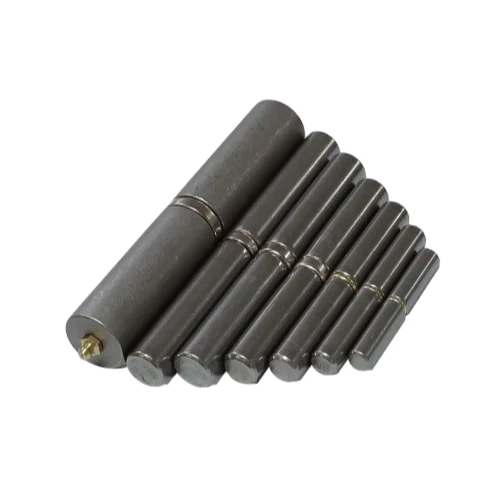
In plain terms, field gate hinges are mechanical fittings used to attach and allow the swinging motion of gates, especially in outdoor or “in-the-field” contexts—think agricultural fences, industrial perimeters, or temporary barriers at construction sites. Their design caters to heavier loads and tougher elements than the average residential hinge. They usually come in robust materials like galvanized steel or stainless steel to resist rust, corrosion, and deformation.
Long gone are the days when gates were just wood and iron slapped together. Today's field gate hinges are often precision-engineered to meet strict safety and durability standards, ensuring they perform well over years under massive stress and changing climates.
Why Connect This to Modern Industries and Humanitarian Needs?
Whether it’s a farming cooperative securing livestock or an NGO setting up temporary shelters with fenced compounds in post-disaster zones, reliable hinges underpin the whole setup. They’re not just hinges—they’re often the difference between accessible, secure field operations and operations vulnerable to disruption.
Mini takeaway: Field gate hinges are engineered pieces adapted for tough environments, bridging traditional roles with modern demands in agriculture, industry, and humanitarian deployment.
Factors to Know: What Makes a Good Field Gate Hinge?
1. Durability and Corrosion Resistance
Outdoor hardware must face wind, rain, dirt, and even salty air near coasts. Many field gate hinges utilize galvanized or powder-coated steel to ensure they don’t rust away after a few seasons. In tropical or coastal regions, this is a make-or-break factor.
2. Weight Capacity and Load Bearing
Some gates are massive—think heavy metal or timber gates used in industrial yards. Hinges need to support hundreds of kilograms smoothly to prevent sagging or misalignment over time.
3. Flexibility and Adjustment
The ability to adjust hinges after installation helps keep gates perfectly aligned, even as wood expands or frames settle. Working in the field often means you can’t dismantle everything for repairs, so adjustability is crucial.
4. Ease of Installation and Maintenance
Since field gates may be installed in rough or remote areas, hinges designed for quick fitment, often with fewer tools, reduce downtime and labor costs significantly.
5. Material Compatibility
Whether the gate is metal, wood, or composite, hinges need to work well with the gate materials. Wood gates generally require different screw designs than metal ones to prevent loosening.
| Specification | Typical Range | Notes |
|---|---|---|
| Material | Galvanized Steel, Stainless Steel | Corrosion resistance is key |
| Load Capacity | Up to 200 kg per hinge | Depends on hinge size and gate weight |
| Pin Diameter | 10 - 20 mm (0.4" - 0.8") | Affects load and smooth movement |
| Finish | Hot-dip galvanizing, Powder coating | Enhances weather resistance |
| Adjustability | ±5 mm vertical/horizontal | Post-installation gate alignment |
Mini takeaway: Understanding hinge specs helps you pick hinges that will last, bear loads, and keep your gates functioning smoothly for years.
Field Gate Hinges Across the Globe: Real-Life Uses
Imagine the vast wheat fields of Canada or sprawling coffee farms in Central America. Those fences need hinges that won’t fail when cattle push against gates or when seasonal rain triggers rust. Similarly, industrial plants near the Persian Gulf use stainless steel hinges to beat salt corrosion. Meanwhile, humanitarian groups setting up fenced compounds in flood or earthquake-affected zones in Southeast Asia need hinges that allow for quick but sturdy setup.
Interestingly, I noticed that in parts of rural Australia, farmers prefer field gate hinges with easy-to-oil shaft pins to maintain smooth operation despite dust and heat. And in Northern Europe, eco-conscious farmers seek hinges made from recycled metals certified to meet ISO 14001 environmental management standards.
| Vendor | Material Quality | Customization Options | Price Range | Typical Lead Time |
|---|---|---|---|---|
| Aobang Metal | High-grade galvanized steel | Sizes & finishes customizable | $$ - Moderate | 2-4 weeks |
| SteelWorks Co. | Standard galvanized steel | Limited sizes, standard models | $ - Budget | 1-3 weeks |
| EcoHinge Ltd. | Recycled steel, powder coated | Fully customizable colors & sizes | $$$ - Premium | 4-6 weeks |
Advantages: Why Invest in Quality Field Gate Hinges?
- Cost Efficiency: Reliable hinges reduce the need for frequent repairs or replacements, saving money in the long run.
- Sustainability: Materials like galvanized or stainless steel resist corrosion, extending life spans and minimizing waste.
- Security & Safety: Properly working hinges mean gates close solidly, keeping livestock, equipment, and people safe.
- Social Value: In humanitarian settings, sturdy gates with good hinges provide a sense of dignity and privacy to displaced communities.
Looking Ahead: Emerging Trends in Field Gate Hinges
Innovation keeps chugging along quietly here. New coatings, including nano-ceramic layers, are pushing the envelope on corrosion resistance. Some manufacturers are experimenting with smart hinges embedded with sensors to detect tampering or wear and tear — an odd but fascinating glimpse into the Internet of Things (IoT) for farm gear.
Environmental sustainability is also hot — more firms are adopting recycled metals and meeting stricter ISO and LEED certifications. Automation trends even hint at gate hinges that self-lubricate or adjust — saving precious maintenance hours in large-scale facilities. Not to mention, custom designs via 3D printing offer rapid prototyping and tailored solutions for tricky field gate setups.
Common Challenges and How to Tackle Them
Despite improvements, rough terrains and extreme weather can cause hinge pins to seize or frames to warp. Many engineers suggest routine inspection combined with seasonally timed lubrication. Also, opting for hinges with removable or replaceable pins simplifies repairs.
Improper installation is another frequent pitfall — gates misaligned from the get-go strain hinges prematurely. Training installers or partnering with reputable vendors like Aobang Metal who provide installation guides can prevent headaches.
FAQ: Your Field Gate Hinges Questions Answered
- What materials are best for field gate hinges in coastal areas?
- Stainless steel and hot-dip galvanized hinges stand up best against salty air corrosion common in coastal locations. Powder coatings add an extra protective layer but shouldn’t replace quality base material.
- How often should I maintain my field gate hinges?
- Maintenance frequency depends on use and environment but generally twice a year is recommended: clean, lubricate, and check alignment to prolong hinge life dramatically.
- Can I customize hinges for unusually heavy gates?
- Yes. Many vendors offer custom hinge sizes, heavier pins, and stronger materials designed for heavier loads. Discuss your gate specs with suppliers for tailored solutions.
- Are field gate hinges easy to install for DIY projects?
- Most hinges are straightforward to install with basic tools. Still, ensuring proper alignment and secure fastening makes the difference, so follow manufacturers’ instructions carefully or consult a pro.
Final Thoughts and Next Steps
At first glance, field gate hinges might seem like just another piece of metal, but their humble role carries heavy responsibility across the globe — keeping gates sturdy, secure, and functional where it counts most. Their quality shapes agricultural success, industrial safety, and even humanitarian dignity. As technology and materials advance, these hinges quietly push sustainability, durability, and smart functionality forward.
Want to explore high-quality, customizable field gate hinges that fit your project’s exact needs? Visit our website https://www.aobangmetal.com for more insights and product details.
Mini takeaway: Investing in quality field gate hinges is more than hardware procurement — it’s about securing lasting value, safety, and innovation in demanding environments worldwide.
References:
1. ISO 14001 Environmental Management
2. Wikipedia: Gate (barrier)
3. UN Habitat: Disaster Risk Reduction
-
Heavy Duty Ramp Gate Hinges Guide for Industrial EquipmentNewsApr.16,2026
-
Guide to Selecting the Right Ramp Door Spring Hinge for TrailersNewsApr.09,2026
-
Comprehensive Guide to Livestock Trailer Gate Hinges for Durable PerformanceNewsApr.07,2026
-
Choosing the Right Heavy Duty Hinges for Ramps A Comprehensive GuideNewsApr.04,2026
-
Comprehensive Guide to Choosing the Right Enclosed Trailer Ramp Door Extension HingeNewsMar.31,2026
-
Comprehensive Guide to Bi Fold Trailer Gate Hinges for Optimal PerformanceNewsMar.28,2026
-
Comprehensive Guide to Durable Aluminum Trailer Ramp Hinges for Optimal PerformanceNewsMar.26,2026