




Elevating Industrial Aesthetics: The Strategic Role of cast iron ornaments
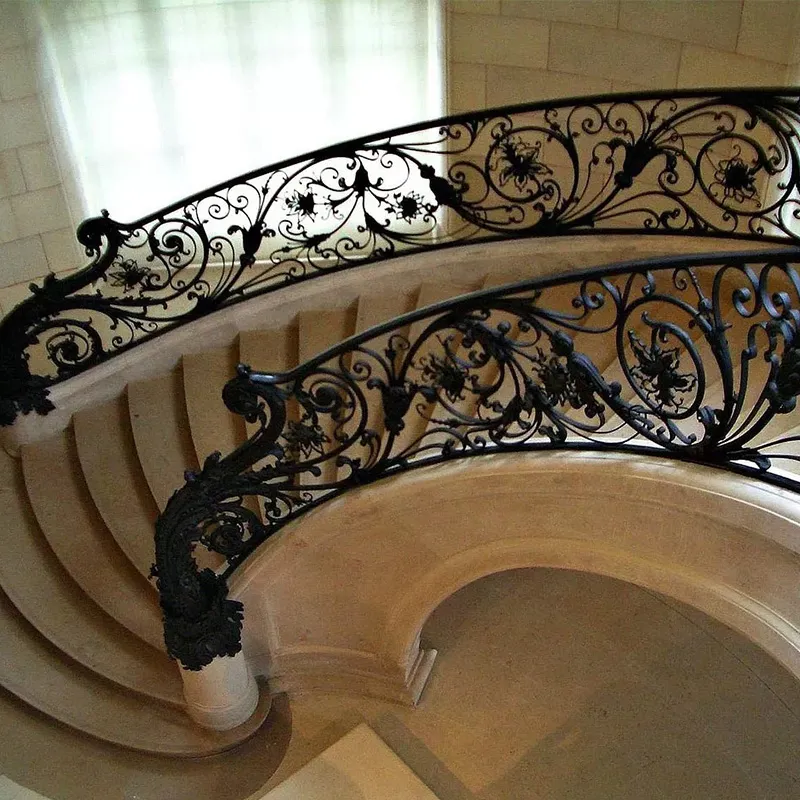
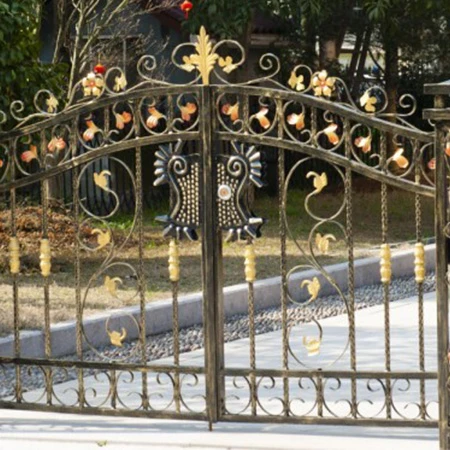
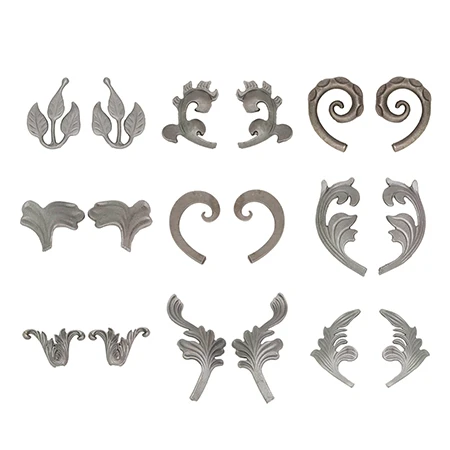
In the realm of B2B applications, the integration of durable, aesthetically pleasing components is paramount for projects ranging from public infrastructure to secure industrial facilities. While often associated with traditional décor, cast iron ornaments represent a crucial category of robust, long-lasting architectural and structural elements. These components offer unparalleled strength and design versatility, making them ideal for enhancing the visual appeal and longevity of installations such as decorative wrought iron gates and wrought iron fence ornaments in demanding environments. This comprehensive overview delves into the technical specifications, manufacturing processes, and strategic advantages of leveraging these resilient metal embellishments in modern B2B projects.
Our focus extends beyond mere decoration, examining how expertly crafted cast iron ornaments contribute to the overall structural integrity and enduring aesthetic value required by industries that prioritize both form and function.
Industry Trends and Market Dynamics in Architectural Ironwork
The market for architectural metal components, particularly those crafted from cast iron, is experiencing sustained growth, driven by several key trends. Urbanization and infrastructure development projects globally are spurring demand for durable, low-maintenance building materials with a strong aesthetic appeal. There's a notable increase in historical restoration projects, where authenticity and material integrity are paramount, thus increasing the need for custom-fabricated elements that replicate period-specific designs.
Furthermore, the emphasis on sustainable building practices has highlighted the longevity and recyclability of cast iron, making it an attractive choice for specifiers. Clients in sectors like public works, commercial real estate, and heritage preservation are increasingly seeking partners capable of delivering not just standard components but also highly customized solutions that meet stringent design and performance criteria for decorative wrought iron gates and fencing systems.
- Sustainable Durability: Growing preference for materials with extended service life and minimal environmental impact.
- Customization Demand: A shift from off-the-shelf to bespoke designs, requiring advanced manufacturing capabilities to produce unique wrought iron fence ornaments and other bespoke elements.
- Aesthetic Integration: Increasing focus on integrating ornamental elements seamlessly into modern and classic architectural styles.
- Security & Aesthetics: The dual requirement for robust security features combined with sophisticated design in public and private installations.
Manufacturing Process Flow: Precision Crafting of Cast Iron Ornaments
The creation of high-quality cast iron components is a meticulous process demanding expertise in metallurgy, design, and precision manufacturing. This involves several critical stages, each contributing to the final product's integrity, finish, and performance.
1. Material Selection
Typically, gray cast iron (ASTM A48 Class 20-60) or ductile cast iron (ASTM A536 Grades 60-40-18 to 120-90-02) are chosen for their excellent castability, compressive strength, and vibration dampening properties. Ductile iron offers superior tensile strength and ductility, crucial for complex structural components that may experience varied stresses.
2. Pattern Making
Utilizing CAD/CAM software, patterns (replicas of the final ornament, accounting for shrinkage) are created from wood, plastic, or metal. This stage is critical for intricate designs and ensures dimensional accuracy.
3. Molding
Sand casting is the most common method. A mold cavity is formed by compacting sand around the pattern. For high precision or complex geometries, shell molding or lost-wax (investment casting) may be employed, offering finer surface finishes and tighter tolerances.
4. Melting and Pouring
Raw iron, along with alloying elements, is melted in induction furnaces to precise temperatures (typically 1450-1500°C). The molten metal is then carefully poured into the prepared molds, ensuring complete filling and minimal porosity.
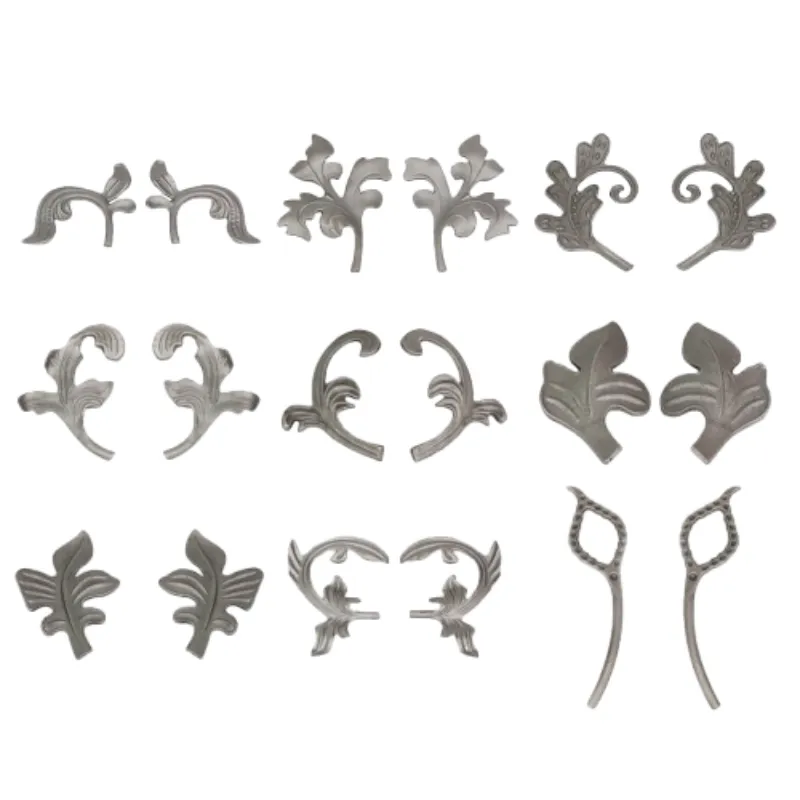
5. Cooling and Shakeout
After solidification, the casting is allowed to cool within the mold to prevent thermal shock and ensure proper metallurgical structure. Once cooled, the sand mold is broken away (shakeout), revealing the rough casting.
6. Fettling and Finishing
This stage involves removing excess material like risers, gates, and flash through grinding, cutting, and blasting. CNC machining may be used for specific interfaces or precision details. Surface treatments such as shot blasting are applied to achieve a uniform finish.
7. Post-Processing and Coating
Depending on the application, finished components can undergo galvanization for superior corrosion resistance, priming, or powder coating for aesthetic durability and an additional protective layer. This enhances their service life and appearance in harsh environments, vital for items like decorative wrought iron gates.
8. Quality Control and Testing
Throughout the process, stringent quality checks are performed. This includes visual inspection, dimensional verification using calipers and CMMs (Coordinate Measuring Machines), material composition analysis (spectrography), and mechanical testing (tensile strength, hardness) to ensure compliance with standards like ISO 9001, ASTM A48, ASTM A536, and ANSI specifications.
Service Life Expectancy: Properly treated and installed cast iron components can have a service life exceeding 50-100 years, significantly reducing lifecycle costs and embodying true sustainability in architectural and industrial applications.
Technical Specifications and Material Performance
Understanding the intrinsic properties of cast iron is essential for specifying its use in B2B projects. The metallurgical composition dictates its mechanical strength, corrosion resistance, and overall durability. Below are typical parameters for common cast iron grades used in ornamental and structural applications.
Typical Product Specification Table: Cast Iron Alloys for Architectural Elements
| Property | Gray Cast Iron (ASTM A48 Class 30) | Ductile Iron (ASTM A536 60-40-18) |
|---|---|---|
| Tensile Strength (MPa) | 207 min (30,000 psi) | 414 min (60,000 psi) |
| Yield Strength (MPa) | N/A (Brittle material) | 276 min (40,000 psi) |
| Elongation (%) | 0.5 max | 18 min |
| Brinell Hardness (HB) | 170-220 | 140-190 |
| Density (g/cm³) | 7.15 - 7.3 | 7.1 |
| Corrosion Resistance | Good, improved with coatings | Very good, improved with coatings |
| Typical Applications | Decorative castings, frames | Structural components, higher stress applications |
These figures highlight the superior strength and ductility of ductile iron, making it suitable for functional architectural elements that bear load or require impact resistance, such as those integrated into heavy-duty decorative wrought iron gates. Gray cast iron, while more brittle, excels in intricate decorative details due to its excellent fluidity during casting and good compressive strength.
Application Scenarios Across Target Industries
The versatility and durability of cast iron elements extend their utility far beyond conventional decorative roles. In B2B sectors, these components serve both aesthetic and functional purposes, particularly in environments where resilience against harsh conditions and a dignified appearance are crucial.
- Public Infrastructure & Urban Development: From ornate street furniture and lamp posts to robust decorative wrought iron gates for parks, municipal buildings, and historical districts. The longevity and resistance to vandalism make cast iron an ideal choice for high-traffic public spaces.
- Commercial & Industrial Perimeters: Used in wrought iron fence ornaments and security gates for corporate campuses, data centers, and manufacturing plants. They provide a formidable physical barrier while contributing to a professional and enduring corporate image.
- Petrochemical & Energy Sector: While not directly process-critical, cast iron elements can be incorporated into non-process architectural features, perimeter fencing, and access control points where extreme durability against environmental exposure (corrosion resistance through galvanization/coatings) and low maintenance are essential. They can subtly integrate industrial aesthetics with security needs.
- Metallurgy & Mining: Similar to petrochemical, these environments demand extreme resilience. Cast iron elements are used in durable railings, protective grilles, and structural embellishments for administrative buildings, processing plant entrances, and equipment enclosures, offering both protection and a professional appearance.
- Water Supply & Drainage Systems: For public utility buildings, pumping stations, or water treatment facilities, cast iron components can be used in robust pedestrian gates, protective covers, or decorative ventilation grilles. Their inherent corrosion resistance (especially with proper surface treatments) makes them suitable for damp or chemically exposed environments, contributing to long-term structural integrity and aesthetic consistency.
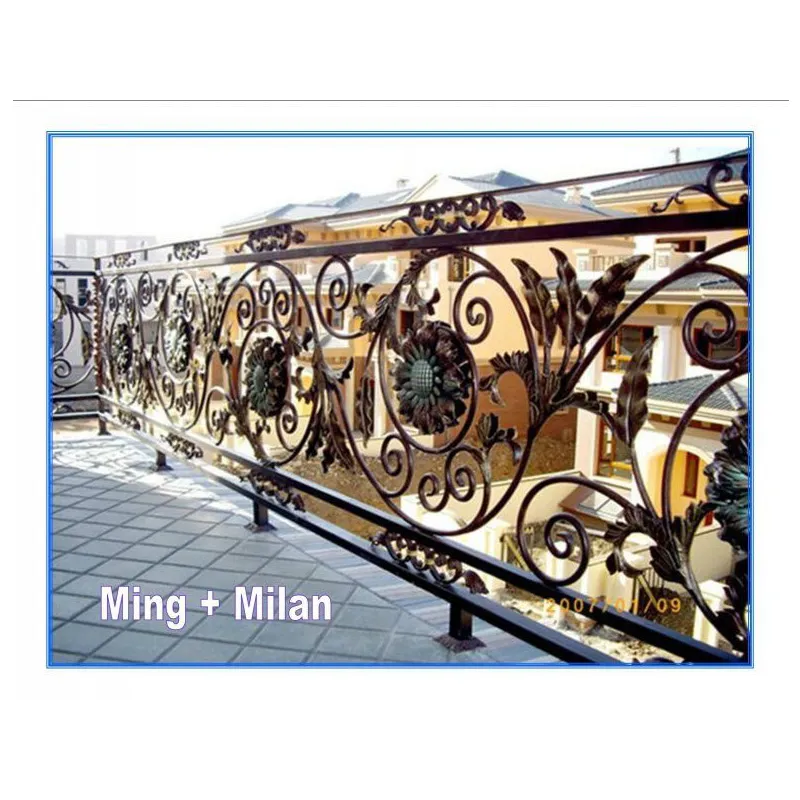
Advantages in Scenario: In these demanding sectors, the inherent strength of cast iron translates to high impact resistance and structural stability, reducing the need for frequent repairs or replacements. Advanced coatings ensure exceptional corrosion resistance, crucial for extending the lifespan of assets in chemically aggressive or moisture-rich environments, leading to significant energy saving in maintenance cycles.
Technical Advantages of Cast Iron Architectural Elements
Beyond their aesthetic appeal, cast iron components offer a suite of technical advantages that make them a preferred choice for discerning B2B clients.
- Exceptional Durability and Longevity: Cast iron boasts a high compressive strength and rigidity, making it highly resistant to deformation and impact. When properly maintained and treated, these elements can last for centuries, providing an enduring solution that minimizes replacement costs.
- Superior Corrosion Resistance (with Treatment): While cast iron can rust, modern galvanization processes, zinc-rich primers, and advanced powder coatings provide outstanding protection against environmental corrosion, extending the product's life even in harsh outdoor or industrial settings.
- Design Versatility and Intricacy: The casting process allows for the creation of complex, intricate designs that are difficult or impossible to achieve with other fabrication methods. This is crucial for custom decorative wrought iron gates and historical reproductions.
- High Recyclability: As a ferrous metal, cast iron is 100% recyclable, aligning with sustainable development goals and offering an environmentally responsible material choice.
- Low Maintenance Requirements: Once installed and coated, cast iron elements require minimal maintenance beyond occasional cleaning and re-coating (typically every 10-20 years depending on exposure), offering long-term cost savings.
Vendor Comparison: Selecting a Strategic Partner for Cast Iron Ornaments
Choosing the right supplier for architectural cast iron components is critical to project success, impacting quality, lead times, and overall cost-effectiveness. Key factors include manufacturing capabilities, quality assurance, and customer support.
Supplier Comparison Matrix
| Feature/Metric | Aobang Metal (Example) | Competitor X (Example) | Competitor Y (Example) |
|---|---|---|---|
| Quality Certifications | ISO 9001:2015, ASTM Compliant | ISO 9001:2008 | No Public Certifications |
| Customization Capabilities | Full CAD/CAM, bespoke designs, prototyping | Limited design modifications | Standard catalogue only |
| Production Capacity | High-volume foundry, flexible batch sizes | Medium volume, less flexible | Small batch production |
| Lead Times (Typical) | 4-8 weeks (standard), 8-12 weeks (custom) | 6-10 weeks (standard), >12 weeks (custom) | 8-14 weeks (standard/custom) |
| Surface Treatment Options | Galvanization, Powder Coating, Priming, Patinas | Limited painting, some galvanization | Basic paint only |
| After-Sales Support | Dedicated support, technical consultation, warranty | Basic support, limited warranty | Minimal support |
This comparison highlights the importance of choosing a partner that not only meets quality standards but also offers the flexibility and support required for complex B2B projects involving specialized cast iron architectural features.
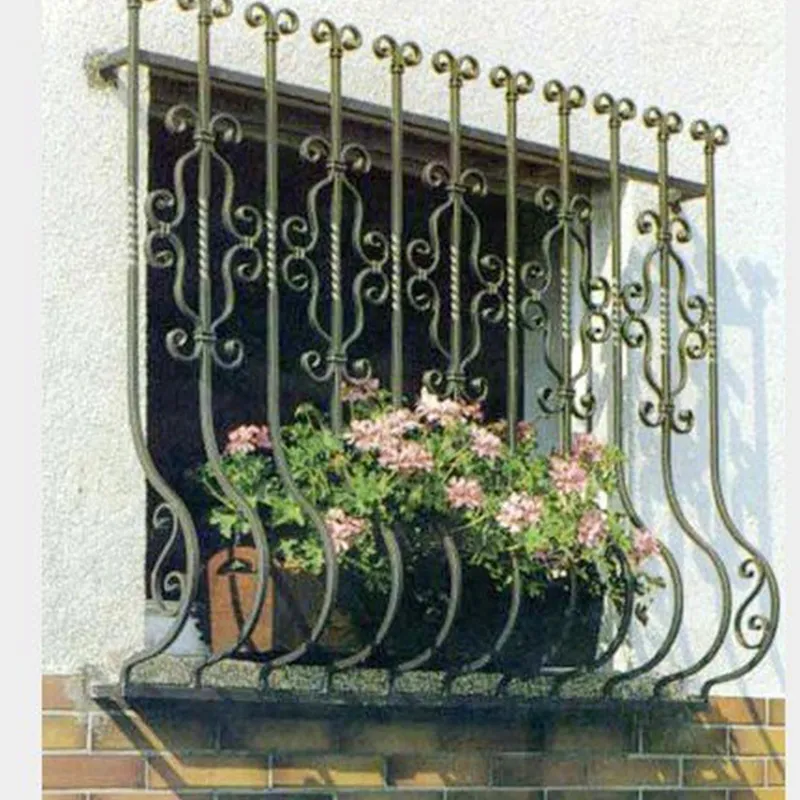
Customized Solutions and Design Flexibility
The unique properties of cast iron lend themselves exceptionally well to customization, making it an ideal material for bespoke architectural and industrial elements. Modern foundries leverage advanced digital design tools (CAD/CAM) and traditional pattern-making expertise to transform complex visions into tangible ironwork.
- Architectural Integration: Custom cast iron elements can be designed to perfectly match existing architectural styles, historical periods, or corporate branding, ensuring seamless integration into any project.
- Prototyping and Iteration: Digital modeling allows for rapid prototyping and design iteration, enabling clients to visualize and refine their decorative wrought iron gates or fence designs before physical production begins.
- Material and Finish Options: Beyond custom shapes, clients can specify particular cast iron alloys (e.g., ductile iron for high-stress areas), as well as a range of finishes from traditional patinas to contemporary powder coatings, tailored to environmental exposure and aesthetic requirements.
- Engineering for Specific Loads: Custom solutions often involve engineering designs to meet specific load-bearing requirements or environmental resistance needs, ensuring that ornamental elements also serve a functional, structural role.
Application Case Studies: Cast Iron Components in Practice
Case Study 1: Historic Public Park Entrance Restoration
Client: Municipal Parks and Recreation Department, Major City
Challenge: Restore the grandeur of a century-old public park entrance, which featured severely degraded original decorative wrought iron gates and fencing. The requirement was to replicate the intricate scrollwork and emblems with absolute historical accuracy, while ensuring modern durability standards and corrosion resistance.
Solution: Collaborating closely with historical architects, our team utilized advanced 3D scanning of the remaining original fragments to create precise digital patterns. New cast iron ornaments were produced using ductile iron (ASTM A536 65-45-12) for enhanced structural integrity, followed by hot-dip galvanization and a multi-layer protective coating system that mimicked the original aged patina. The intricate motifs and structural elements for the new decorative wrought iron gates and fence ornaments were faithfully reproduced, ensuring both historical accuracy and a projected service life of over 75 years.
Outcome: The restored entrance now stands as a landmark, demonstrating the capability of cast iron architectural elements to blend historical aesthetics with modern engineering resilience. The project received widespread public acclaim and was recognized for its contribution to urban heritage preservation.
Case Study 2: Industrial Facility Perimeter Security Upgrade
Client: Large Petrochemical Processing Plant
Challenge: Upgrade the perimeter security of a large facility located in a coastal environment, requiring robust fencing and access gates that could withstand saline corrosion and provide a uniform, professional appearance across multiple entry points, incorporating specific company branding elements.
Solution: We designed and manufactured custom wrought iron fence ornaments and structural components for the facility's extensive perimeter. These were cast from highly corrosion-resistant ductile iron, followed by a dual-layer protective coating system: a marine-grade zinc primer and a UV-resistant powder coat in the client's corporate colors. Bespoke cast iron crests featuring the company's logo were integrated into the main entrance gates, providing a distinguished and secure frontage.
Outcome: The client achieved a significantly enhanced security perimeter with a consistent, professional aesthetic. The chosen cast iron elements and coatings have proven highly effective against the harsh coastal environment, drastically reducing maintenance needs and demonstrating long-term cost efficiencies compared to previous steel installations.
Trustworthiness and Client Assurance
At Aobang Metal, our commitment to quality and client satisfaction is embedded in every stage of our operations. We understand that for B2B procurement, reliability and assurance are as critical as product specifications.
Certifications and Compliance
Our manufacturing processes adhere strictly to international quality management standards, including ISO 9001:2015. All materials and finished architectural ironwork are tested to meet or exceed relevant ASTM (e.g., A48, A536) and ANSI specifications, ensuring metallurgical integrity and dimensional accuracy. We provide comprehensive material test reports (MTRs) and certificates of conformity upon request.
Lead Time and Fulfillment
We maintain efficient production schedules to ensure timely delivery. For standard cast iron components, typical lead times range from 4 to 8 weeks. Custom designs and large-volume orders may require 8 to 12 weeks, depending on complexity and material availability. Our logistics team coordinates with clients for optimal shipping and delivery, including international freight. We provide real-time tracking and dedicated project management throughout the fulfillment process.
Warranty Commitments
Aobang Metal offers a standard 10-year warranty on all structural cast iron components against manufacturing defects and material failures under normal use. Specific surface coatings may carry separate warranties based on application and environmental exposure. Full warranty details are provided with every quote and order.
Customer Support and After-Sales Service
Our commitment extends beyond delivery. We provide comprehensive after-sales support, including technical assistance for installation, maintenance guidelines, and troubleshooting. Our dedicated account managers are available to address any queries or concerns, ensuring long-term satisfaction and performance of our cast iron products.
Frequently Asked Questions (FAQ)
Q: What is the primary difference between gray cast iron and ductile iron for ornamental use?
A: Gray cast iron is more brittle but excellent for intricate, fine detail due to its fluidity. Ductile iron offers significantly higher tensile strength and ductility (can bend without breaking), making it ideal for structural cast iron ornaments that may experience stress or impact, such as parts of decorative wrought iron gates.
Q: How can cast iron elements be protected against corrosion?
A: We recommend a combination of hot-dip galvanization, which provides a sacrificial zinc layer, followed by a high-performance powder coating. This dual-layer system offers superior protection against rust and environmental elements, significantly extending service life for items like wrought iron fence ornaments.
Q: Can you match existing historical designs or company logos?
A: Absolutely. Our design and engineering teams specialize in custom pattern making using CAD/CAM technologies and traditional craftsmanship. We can replicate historical designs from photographs or physical samples, and accurately incorporate corporate logos or specific architectural motifs into new cast iron ornaments.
Q: What is the typical lead time for a custom order?
A: Lead times for custom orders generally range from 8 to 12 weeks, depending on the complexity of the design, required tooling, and order volume. This includes design finalization, pattern creation, casting, finishing, and coating. We provide an estimated timeline upon project initiation.
Conclusion: The Enduring Value of Cast Iron Ornaments
The strategic application of cast iron ornaments offers a compelling blend of aesthetic appeal, structural integrity, and long-term economic advantages for B2B clients. From enhancing the visual identity of municipal parks to bolstering the security and professional image of industrial complexes, these robust components prove indispensable. By adhering to rigorous manufacturing standards, employing advanced material science, and offering comprehensive customization and support, suppliers like Aobang Metal ensure that these ornamental elements deliver enduring value and performance. Investing in high-quality cast iron ornaments is not merely an aesthetic choice, but a calculated decision for durability, sustainability, and architectural excellence.
References
- American Society for Testing and Materials (ASTM). ASTM A48/A48M-03(2018) Standard Specification for Gray Iron Castings. ASTM International.
- American Society for Testing and Materials (ASTM). ASTM A536-84(2019) Standard Specification for Ductile Iron Castings. ASTM International.
- International Organization for Standardization (ISO). ISO 9001:2015 Quality management systems – Requirements.
- ASM International. (2001). ASM Handbook, Volume 1: Properties and Selection: Irons, Steels, and High-Performance Alloys. ASM International.
- Modern Casting Magazine. (Various Issues). Foundry Management & Technology. American Foundry Society.
-
Heavy Duty Ramp Gate Hinges Guide for Industrial EquipmentNewsApr.16,2026
-
Guide to Selecting the Right Ramp Door Spring Hinge for TrailersNewsApr.09,2026
-
Comprehensive Guide to Livestock Trailer Gate Hinges for Durable PerformanceNewsApr.07,2026
-
Choosing the Right Heavy Duty Hinges for Ramps A Comprehensive GuideNewsApr.04,2026
-
Comprehensive Guide to Choosing the Right Enclosed Trailer Ramp Door Extension HingeNewsMar.31,2026
-
Comprehensive Guide to Bi Fold Trailer Gate Hinges for Optimal PerformanceNewsMar.28,2026
-
Comprehensive Guide to Durable Aluminum Trailer Ramp Hinges for Optimal PerformanceNewsMar.26,2026