




Understanding the car door hinge: A seasoned perspective
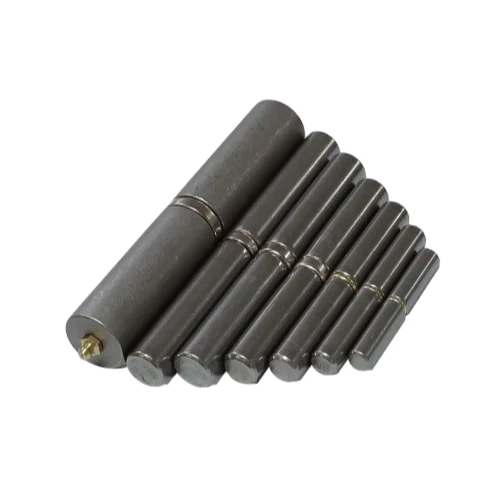
If you’ve ever worked around automotive assembly or repair, you know that the car door hinge is one of those underrated components—small, seemingly simple, but absolutely critical. Oddly enough, it’s the kind of part that’s easy to overlook until it creaks, squeaks, or worse: fails. Having spent years in the industrial equipment sector, particularly with metal fabrication and automotive parts, I can tell you the door hinge really deserves some attention.
Frankly, its role is straightforward—allowing smooth pivoting of the car door while bearing significant weight and repetitive use. But that simplicity masks a heck of a lot of engineering finesse. Most quality hinges today are the result of intensive testing for durability, corrosion resistance, and precise tolerance control. You wouldn’t guess it by looking, but they’re often subjected to thousands of open-close cycles before they ever get installed.
In real terms, the materials used make a big difference. For example, high-grade steel alloys, sometimes combined with zinc or nickel plating, help prevent rust—something you see a lot in hinges exposed to all weather conditions. I noticed during a recent visit to a plant that the manufacturer emphasized custom finishes and tolerance adjustments depending on the car model and door weight. That flexibility in design and manufacturing ensures not only longevity but also the perfect fit, which engineers rave about.
Here’s a quick look at what specs a good car door hinge might have:
| Specification | Typical Value |
|---|---|
| Material Composition | High-grade steel alloy (often zinc/nickel plated) |
| Load Capacity | Up to 50 kg per hinge |
| Operating Temperature Range | -40°C to +120°C |
| Cycle Durability | >50,000 open-close cycles |
| Corrosion Resistance | Salt spray test >1000 hours |
What really impressed me during sourcing was how some vendors distinguish themselves with unique features and quality control processes. Here is a quick comparative snapshot of a few prominent vendors I've worked with or analyzed:
| Vendor | Material Quality | Customization | Price Range | Lead Time |
|---|---|---|---|---|
| Aobang Metal | Premium steel, custom plating | High (based on model specs) | Moderate | 4-6 weeks |
| Vendor B | Standard steel, zinc coated | Limited | Lower | 3-5 weeks |
| Vendor C | Mid-grade alloy | Medium | Moderate | 5-7 weeks |
One anecdote I recall is when a client in the commercial vehicles sector switched from a lower-cost hinge to one from a premium manufacturer like Aobang Metal. They reported significantly fewer customer complaints about door alignment issues and creaks after just a few months. It’s the kind of tangible outcome that reminds you how much difference quality metalwork and precise manufacturing can make.
So, if you find yourself selecting or specifying car door hinges for any industrial, automotive, or even custom applications, keep in mind the details – material composition, testing methods, and vendor expertise. That’s what largely controls whether your doors will open smoothly for years to come or start sticking early on.
Still, it’s surprising how many manufacturers don’t emphasize hinge quality until problems pop up. I suppose that’s just human nature—we tend not to notice good design when it’s working perfectly. But for anyone in the sector, it’s these small components that often determine overall customer satisfaction and durability.
In the end, a well-engineered car door hinge isn’t glamorous, but it’s essential. If you need reliability, a sensible balance of cost and customization, then vendors like Aobang represent an investment worth making.
Takeaway? Quality counts—in hinges as much as anywhere else.
- Industry durability tests: SAE J246
- Salt spray corrosion testing standards: ASTM B117
- Automotive metal finishing practices, OEM guidelines

-
Heavy Duty Ramp Gate Hinges Guide for Industrial EquipmentNewsApr.16,2026
-
Guide to Selecting the Right Ramp Door Spring Hinge for TrailersNewsApr.09,2026
-
Comprehensive Guide to Livestock Trailer Gate Hinges for Durable PerformanceNewsApr.07,2026
-
Choosing the Right Heavy Duty Hinges for Ramps A Comprehensive GuideNewsApr.04,2026
-
Comprehensive Guide to Choosing the Right Enclosed Trailer Ramp Door Extension HingeNewsMar.31,2026
-
Comprehensive Guide to Bi Fold Trailer Gate Hinges for Optimal PerformanceNewsMar.28,2026
-
Comprehensive Guide to Durable Aluminum Trailer Ramp Hinges for Optimal PerformanceNewsMar.26,2026