




The Subtle Art and Global Importance of Gate Hinges
At first glance, gate hinges might not spark much excitement — they’re often overlooked, tucked away behind large doors or fences. But these small mechanical marvels hold a surprisingly crucial position worldwide in everything from security to agricultural boundaries and humanitarian efforts. Understanding gate hinges and their nuances pays off not just for industrial players or architects but for anyone invested in durability, safety, and cost-efficiency in infrastructure.
Why does this matter globally? Well, gates are everywhere — rural farms, urban compounds, industrial plants, and refugee camps alike. Reliable hinges ensure these gates open smoothly, last for years, and resist harsh weather. A failed hinge can mean breach of security, costly repairs, or worse. As our world calls increasingly for resilient infrastructure, knowing your hinges from your latches becomes a surprisingly significant matter.
Mini takeaway: Gate hinges are unsung heroes of everyday security and durability, linking convenience with protection globally.
Gate Hinges: Why They're More Important Than You Think
Globally, mechanical components like gate hinges form fundamental building blocks in security and infrastructure systems. According to ISO standards for door and gate hardware, hinges must pass stringent durability and corrosion resistance tests. The World Bank points out that secure boundaries improve community safety, especially in developing regions where infrastructure investments matter immensely. Yet, many challenges persist — rust, poor installation, and substandard materials often sabotage gate function, causing headaches for facility managers.
The gate hinges industry has responded by innovating with tougher alloys and more precise engineering. But the global market remains diverse and sometimes fragmented, making quality education about materials, specifications, and installation techniques increasingly vital.
Mini takeaway: In a global context, quality gate hinges impact community safety, infrastructure longevity, and operational reliability — all backed by data and standards.
What Exactly Are Gate Hinges?
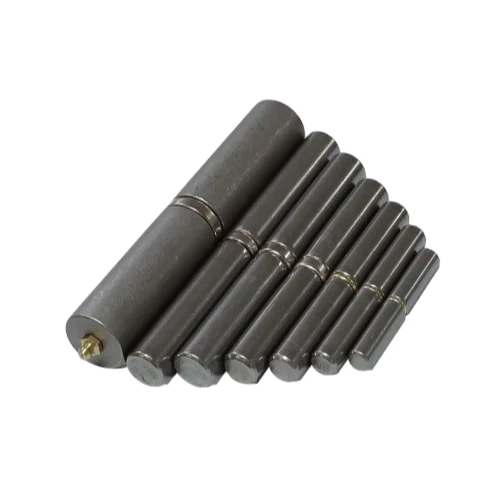
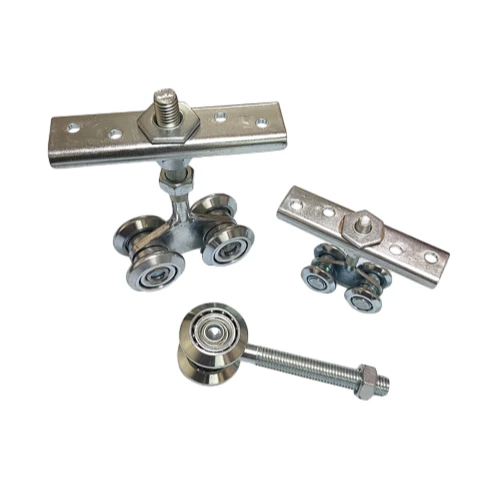
Put simply, gate hinges are mechanical bearings that connect a gate to its supporting posts, allowing it to rotate open or closed around a fixed axis. Whether crafted from stainless steel, galvanized iron, or heavy-duty plastic composites, hinges come in many forms — butt hinges, strap hinges, tee hinges, weld-on hinges, and more.
In industrial and humanitarian contexts, they are far more than mere attachments; gate hinges function as vital links in securing goods, people, and property. Imagine a temporary fence erected in a post-disaster zone — the hinges there must withstand rough handling, weather extremes, and hasty installation, yet still perform flawlessly.
Mini takeaway: Gate hinges are simple yet essential parts that carry the weight of function and security, especially when lives or livelihoods are at stake.
Key Factors in Gate Hinge Selection and Use
Durability and Material Quality
Longevity hinges (pun intended) on materials that resist corrosion, wear, and mechanical stress. Stainless steel and coated galvanized steel are common winners here. For coastal or industrial zones with corrosive atmospheres, specialized alloys or powder coatings might be necessary.
Load Capacity and Size
Gate hinges must match the size and weight of the gate. Overloading causes sagging, misalignment, and premature failure. For example, heavy iron gates need robust butt or weld-on hinges rated for weights upward of 50kg per hinge.
Installation and Adjustability
Correct mounting improves hinge performance dramatically. Some modern hinges offer built-in adjustability for height or lateral alignment, allowing installers to fine-tune gate movement without disassembly.
Security Features
For areas sensitive to intrusion, hinges can come with concealed pins or tamper-proof designs, making removal or vandalism more difficult.
Cost Efficiency
While top-tier hinges might cost more upfront, they often bring long-term savings by reducing maintenance and replacements. Cheaper hinges risk hidden costs.
Aesthetic and Environmental Compatibility
Sometimes hinges must blend stylistically or meet environmental certifications (e.g., RoHS compliance), especially when used in environmentally sensitive projects.
Mini takeaway: Picking the right gate hinge involves balancing performance, security, costs, and application environment carefully.
Global Use Cases and Real-World Applications
Around the world, from Australia’s sprawling farms to European urban security gates, gate hinges play quietly pivotal roles:
- Rural and Agricultural Fencing: Enables dependable pasture management where gates see heavy daily use.
- Urban Security: In cities like London and New York, sophisticated hinges complement electronic locking systems for secure entryways.
- Disaster Relief and Temporary Camps: Organizations such as the UNHCR rely on durable gates with robust hinges for camps in conflict zones, blending quick deployment with toughness.
- Industrial Facilities: Weighty factory gates demand hinges that tolerate frequent use under harsh conditions.
In many emerging economies, better hinge technology translates directly to improved safety and economic stability — a tiny yet telling part of infrastructure development’s bigger picture.
Mini takeaway: Gate hinges quietly support diverse sectors worldwide, from high-security urban environments to vital humanitarian projects.
Advantages and Long-Term Value of Quality Gate Hinges
What really makes investing in reliable gate hinges worthwhile?
- Cost Savings Over Time: Fewer replacements and repairs.
- Sustainability: Durable materials reduce waste and environmental footprint.
- Enhanced Safety and Security: Prevent unauthorized access and accidents.
- Trust and Reputation: For businesses and communities, dependable infrastructure signals professionalism and care.
Emotionally, proper gates and hinges convey dignity and respect for property and people. There's a subtle confidence in knowing a gate won’t fail when it counts.
Mini takeaway: Gate hinges offer both practical savings and intangible benefits like trust and peace of mind for users.
Product Specification Table: Typical Heavy-Duty Gate Hinges
| Specification | Description |
|---|---|
| Material | Stainless Steel 304 / Galvanized Steel |
| Load Capacity | Up to 50 kg per hinge |
| Corrosion Resistance | High (powder coating or zinc plating optional) |
| Pin Type | Removable or welded pins, tamper-proof options |
| Adjustability | Some models offer vertical/lateral adjustments |
| Typical Applications | Industrial, Agricultural, Residential Security Gates |
Vendor Comparison: Leading Gate Hinge Manufacturers
| Feature / Vendor | Aobang Metal | Global Hinge Co. | SecureGate Ltd. |
|---|---|---|---|
| Material Options | Stainless Steel, Galvanized Steel | Mild Steel, Stainless Steel | Aluminum Alloy, Stainless Steel |
| Corrosion Resistance Treatments | Powder Coating, Zinc Plating | Basic Galvanizing | Anodizing |
| Security Features | Tamper-Proof Pins | Standard Pins | Removable Pins |
| Customization Options | High (sizes, finishes, features) | Medium | Limited |
| Typical Use Cases | Industrial & Agricultural gates | Residential gates | Commercial & Security Gates |
| Price Range | $$ | $ | $$$ |
Looking Ahead: The Future of Gate Hinges
Emerging trends suggest gate hinges won’t just stay metal blobs turning on pins. Innovations are blending materials science and digital tech, like embedded sensors reporting hinge wear before catastrophic failure. Eco-friendly materials such as recycled alloys and UV-resistant polymers are gaining popularity, aligned with the sustainability push in construction.
Automation and smart security networks might one day integrate hinge performance data into predictive maintenance schedules, reducing disruptions. Imagine a hinge that “warns” facility managers remotely — oddly futuristic but becoming plausible with IoT growth.
Mini takeaway: Gate hinges will evolve beyond their humble roots, merging endurance with intelligence and ecological responsibility.
Common Challenges and How to Overcome Them
Gate hinges face universal adversaries: rust, misalignment, and mechanical strain. Installing hinges incorrectly remains a stubborn cause of premature wear, often overlooked by DIY setups. Additionally, cheap materials can accelerate corrosion, especially near saltwater or in industrial zones.
Solutions? Choosing reputable gate hinges manufacturers with proven corrosion-resistant products is a start. Investing in professional installation and regular maintenance keeps hinges turning smoothly. Some manufacturers now offer self-lubricating models and adjustment kits to simplify upkeep and offset environmental impacts.
Mini takeaway: Good product choice, expert installation, and proactive maintenance form the triad for solving gate hinge problems.
FAQ: Practical Questions about Gate Hinges
- Q: How do I choose the right size gate hinge for my gate?
- A: Consider the gate’s weight and width first. Manufacturers often specify load capacities per hinge. For heavier or wider gates, opt for larger, more robust hinges rated accordingly. Also, factor in how many hinges you can install—the more, the better the weight distribution.
- Q: Are stainless steel hinges always best for outdoor gates?
- Not necessarily. While stainless steel offers excellent corrosion resistance, it can be expensive. For less corrosive environments, high-quality galvanized steel with powder coating can perform similarly at lower cost. The context of climate and usage is key.
- Q: Can I retrofit existing gates with tamper-proof hinges for added security?
- Yes, many manufacturers offer tamper-proof hinge designs that can replace standard hinges. Check compatibility with your gate’s mounting system and consult a professional installer to ensure a secure retrofitting.
- Q: How often should I maintain or lubricate gate hinges?
- Routine maintenance depends on climate and use but generally twice a year is recommended—before and after harsh seasons like winter or monsoons. Lubricate pivot points with appropriate grease or oil to prevent squeaking and corrosion.
- Q: Where can I find durable, cost-effective gate hinges?
- Reputable manufacturers, such as Aobang Metal, offer high-quality products backed by certifications and warranties. Suppliers that provide detailed specs and customization options help ensure you get a hinge suited to your needs.
Wrapping It Up: Why Gate Hinges Matter — More Than You Realize
In the grand scheme, gate hinges embody the principle that small components can carry big weight — literally and figuratively. Choosing well-crafted, durable hinges protects investments, enhances safety, and supports critical infrastructure worldwide. Whether keeping livestock in a remote farm or securing a humanitarian camp, the right hinge quietly keeps the world turning, gate by gate.
If your project calls for reliable, tested, and customizable gate hinges, do explore what industry leaders offer — it pays off in the long run.
Curious to learn more or place an order? Visit our website: https://www.aobangmetal.com
References:
-
Heavy Duty Ramp Gate Hinges Guide for Industrial EquipmentNewsApr.16,2026
-
Guide to Selecting the Right Ramp Door Spring Hinge for TrailersNewsApr.09,2026
-
Comprehensive Guide to Livestock Trailer Gate Hinges for Durable PerformanceNewsApr.07,2026
-
Choosing the Right Heavy Duty Hinges for Ramps A Comprehensive GuideNewsApr.04,2026
-
Comprehensive Guide to Choosing the Right Enclosed Trailer Ramp Door Extension HingeNewsMar.31,2026
-
Comprehensive Guide to Bi Fold Trailer Gate Hinges for Optimal PerformanceNewsMar.28,2026
-
Comprehensive Guide to Durable Aluminum Trailer Ramp Hinges for Optimal PerformanceNewsMar.26,2026