




Double Swing Hinges: The Unsung Heroes of Smooth, Efficient Movement
If you’re anything like me, you seldom stop to think about the humble hinge holding a door, gate, or panel together—especially when it swings both ways. Yet, double swing hinges quietly underpin so much of what keeps our daily environments functional and safe. From hospital doors in busy corridors that need to swing both ways, to industrial sites where space optimization is critical, these hinges don't just help doors move; they transform how we interact with spaces.
The Global Impact of Double Swing Hinges
Across industries and continents, the demand for versatile, reliable door solutions is growing rapidly. The UN estimates that globally, more than 4 billion people live in urban areas, and as buildings become denser and multifunctional, efficient door hardware like double swing hinges become vital. According to ISO standards on building hardware, these hinges not only improve safety but also boost workflow efficiency — a small yet mighty detail that often escapes headlines.
Challenges arise, though: In high-traffic zones, doors must endure repeated use without failure while enabling smooth two-way access. Imagine emergency rooms or warehouses handling heavy goods—doors that swing only one way simply aren’t practical. That’s where double swing hinges step in.
What Exactly Are Double Swing Hinges?
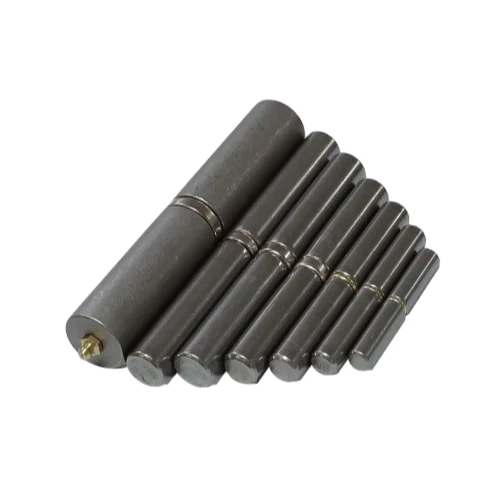
In plain terms, double swing hinges are special pivot mechanisms designed to let doors and gates swing both inward and outward — in other words, both ways. Unlike standard hinges, which allow motion in only one direction, these hinges provide flexibility that’s crucial for modern building design. Usually made from stainless steel or other durable metals, they offer a full 180-degree swing on either side.
They’re incredibly important not only in homes or offices but also for humanitarian needs. For example, temporary shelters or mobile clinics in disaster zones use doors with these hinges to streamline foot traffic and enhance safety even under unpredictable conditions.
Key Qualities That Define Effective Double Swing Hinges
Durability: Built to Last Under Pressure
One of the standout factors is durability. Industrial hinges see thousands of swings weekly, and inferior materials just won’t cut it. High-quality double swing hinges resist corrosion, deformities, and wear — essential for coastal buildings and humid climates where rust usually rules.
Smooth Operation and Noise Control
Noisy, stiff swinging doors disrupt environments, especially hospitals or libraries. Many manufacturers now incorporate bearings or nylon bushings to smooth movement, reducing creaks and slams.
Load Capacity and Size Versatility
Whether you’re fitting a narrow swing door in a hospital or a heavy-duty gate at a port, double swing hinges come in sizes and weight capacities tailored to suit. This flexibility ensures each application performs reliably.
Cost Efficiency and Maintenance Ease
Because these hinges are often hidden from view, the focus is on long-term value rather than just upfront cost. Easy installation and low maintenance needs can save significant money over years of use.
Scalability and Customization
Modern manufacturers offer bespoke solutions, adjusting materials, finishes, and dimensions based on specific client needs — a key for large enterprises managing diverse properties.
Where in the World Are Double Swing Hinges Making a Difference?
It turns out these hinges are everywhere — from the sprawling metro hubs of Europe to the healing centers in Southeast Asia, and even in rural African clinics. In post-disaster relief operations, for instance, quick-install doors with double swing hinges allow aid workers and patients free-flowing access without bottlenecks.
In remote industrial zones such as oil rigs or mining sites in Canada, specialized double swing hinges withstand extremes of weather and load, supporting heavy-duty doors used by workers. Airlines use them too — airplane service doors often rely on these hinges for secure, reversible movement.
Even in commercial kitchens worldwide, chefs appreciate double swing hinged doors that swing out of the way from either side — saving space, speeding up service, and cutting down collisions.
Practical Example: A Manufacturer’s Story
One industrial warehouse in Germany recently upgraded all its freight access doors to double swing hinges. The result? A 25% increase in loading speed during peak times and a drop in door maintenance calls. This simple hardware tweak made a serious operational impact.
Product Specifications at a Glance
| Specification | Typical Value/Range |
|---|---|
| Material | Stainless Steel, Zinc Alloy, Brass |
| Swing Angle | 180° both ways |
| Weight Capacity | Up to 200 kg (440 lbs) |
| Installation Type | Surface-mounted or recessed |
| Finish Options | Brushed, polished, powder-coated |
| Maintenance Needs | Periodic lubrication recommended |
Comparing Leading Double Swing Hinge Vendors
| Vendor | Materials Offered | Price Range | Customization | Use Case Focus |
|---|---|---|---|---|
| Aobang Metal | Stainless Steel, Zinc Alloy | Mid to High | High, OEM Available | Industrial, Commercial |
| Hinges Inc. | Brass, Steel | Low to Mid | Medium | Residential |
| Global Hardware Co. | Stainless Steel | High | Custom Engineering | Marine, Aerospace |
The Advantages and Long-Term Value of Double Swing Hinges
Logically, durability translates into fewer replacements — a clear cost saver. Emotionally, these hinges add a layer of safety and dignity: hospital patients appreciate doors that open easily in emergencies, while workers feel more secure using tough, reliable hardware daily. Sustainability comes into play as well — robust materials and simple designs mean less resource waste and better recyclability.
Innovation matters, too: some brands now include antimicrobial coatings, cutting infection risk. It’s the kind of detail that underscores trust in places that need it most.
Future Trends: What's Next for Double Swing Hinges?
I've noticed a growing push towards integrating smart technology—think sensors that monitor door status or usage patterns to predict maintenance needs. Meanwhile, green manufacturing practices are trending, especially using recycled metals or non-toxic finishes.
Automation may soon extend here, allowing doors controlled remotely or by motion while retaining the double swing action. Consider the possibilities in smart hospitals or automated factories.
Challenges and Expert Solutions
The usual suspects are wear under heavy traffic and corrosion in harsh settings. Also, installation errors or poor maintenance can undercut performance quickly. But advances in self-lubricating bearings and weatherproof coatings mitigate many of these issues.
Many industry experts recommend collaborating closely with suppliers to specify hinges perfectly matched to use cases—because a one-size-fits-all approach rarely works.
FAQs About Double Swing Hinges
- Q: What makes double swing hinges better than traditional single-swing hinges?
- A: Double swing hinges allow doors to open both inwards and outwards, giving greater flexibility, improving traffic flow, and enhancing safety, especially in busy or emergency-prone environments.
- Q: How durable are double swing hinges in outdoor applications?
- A: When made from corrosion-resistant materials like stainless steel and treated with weatherproof coatings, double swing hinges are highly durable, lasting years even in harsh climates such as coastal or industrial areas.
- Q: Are these hinges compatible with fire-rated doors?
- A: Yes, many double swing hinges are designed to meet fire safety standards, but it's important to ensure that the specific hinge model has appropriate certification for the door application.
- Q: Can I customize the size and finish of double swing hinges?
- A: Absolutely. Many vendors, including Aobang Metal, offer bespoke sizing, materials, and finishes tailored to your project's requirements.
- Q: How do I maintain double swing hinges to extend their lifespan?
- A: Regular inspections and periodic lubrication of moving parts are recommended. Cleaning hinges to remove dirt and moisture enhance performance and prevent corrosion over time.
Wrapping Up: Why Double Swing Hinges Matter More Than You Think
From smart hospitals in Europe to emergency shelters in Asia, double swing hinges quietly keep things moving smoothly, efficiently, and safely. They’re a small investment packed with long-term benefits — durability, adaptability, and user-friendly design that cater to critical environments worldwide.
For those curious to explore high-quality solutions, consider checking out Aobang Metal’s double swing hinges. Their products combine craftsmanship with innovation to meet an ever-expanding array of needs.
Who knew that something as simple as a hinge could unlock so much potential?
References
-
Heavy Duty Ramp Gate Hinges Guide for Industrial EquipmentNewsApr.16,2026
-
Guide to Selecting the Right Ramp Door Spring Hinge for TrailersNewsApr.09,2026
-
Comprehensive Guide to Livestock Trailer Gate Hinges for Durable PerformanceNewsApr.07,2026
-
Choosing the Right Heavy Duty Hinges for Ramps A Comprehensive GuideNewsApr.04,2026
-
Comprehensive Guide to Choosing the Right Enclosed Trailer Ramp Door Extension HingeNewsMar.31,2026
-
Comprehensive Guide to Bi Fold Trailer Gate Hinges for Optimal PerformanceNewsMar.28,2026
-
Comprehensive Guide to Durable Aluminum Trailer Ramp Hinges for Optimal PerformanceNewsMar.26,2026