




Double Action Hinges: Opening Doors to Versatility & Efficiency
You might not realize it, but double action hinges play a surprisingly important role in both daily life and industrial applications across the globe. They’re the quiet champions behind doors that swing both ways in restaurants, hospitals, and even high-tech manufacturing plants. Understanding their design and benefits can offer insight into creating smoother workflows and safer environments — practically everywhere. This article unpacks why double action hinges matter worldwide, exploring their core features, applications, and innovations driving their future.
Why Double Action Hinges Matter Globally
Doors that swing open in two directions are more than just a convenience. According to the International Organization for Standardization (ISO 9001), functional hardware like double action hinges improves operational safety and efficiency in facilities handling high traffic. World Bank data notes that industrial and commercial development surges rely heavily on adaptable infrastructure where such hardware fits in seamlessly.
The challenge? Traditional single-swing doors limit flow and access in many busy areas, leading to bottlenecks or safety hazards. Double action hinges address this by allowing doors to swing both inward and outward smoothly, offering quick and intuitive movements. So, from factories in Germany to hospitals in Japan, these hinges quietly improve the way people move through spaces.
Mini Takeaway: Double action hinges improve efficiency and safety worldwide by enabling doors to swing both ways, reducing congestion and adapting to diverse operational needs.
What Are Double Action Hinges? Defining the Concept
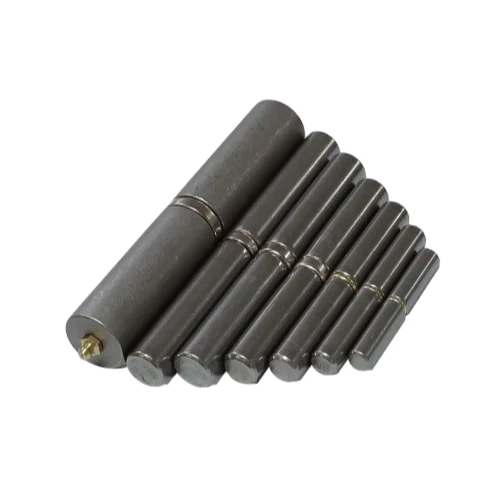
Simply put, a double action hinge is a specialized door hinge allowing 180 degrees or more of movement, swinging open in both directions — forward and backward. Unlike conventional hinges that operate primarily one way, these hinges incorporate spring mechanisms or pivots that return the door to a closed position automatically. In practical terms, this means a kitchen door can swing out to let a waiter in and swing back out when they leave, all without getting stuck.
Today, these hinges tie closely to industries focusing on high-traffic operations, humanitarian aid setups, and even automated systems. Their ability to facilitate swift, bidirectional access makes them vital in places where speed, access control, and hygiene are critical.
Core Components & Features of Double Action Hinges
1. Durability
These hinges are often made from stainless steel, brass, or heavy-duty alloys to resist corrosion, especially in demanding environments like food processing or medical facilities. Durability extends their life cycles significantly, meaning less downtime for repairs.
2. Self-Closing Mechanisms
A key component is the integrated spring or tension system. This self-closing feature ensures the door never stays open unintentionally, which is crucial for hygiene in hospitals or containment in factories.
3. Smooth Operation & Noise Reduction
Because these hinges must handle constant back-and-forth motion, they usually incorporate lubrication methods or specialized bearings to reduce friction and noise — an often-overlooked comfort factor.
4. Scalability & Customization
They come in various sizes and weight capacities, adjusted for residential, commercial, or industrial doors. For example, heavier fire-rated doors require more robust, often certified hinges.
5. Easy Installation & Maintenance
Most double action hinges feature user-friendly designs to fit into existing frames, easing retrofit projects or speed upgrades.
Mini Takeaway: Durability, self-closing, quiet operation, scalability, and ease of maintenance make double action hinges versatile for multiple settings.
Double Action Hinges in Action: Worldwide Applications
Oddly enough, you encounter these hinges more than you’d expect. Let’s look at some real-world examples:
- Healthcare Facilities: In hospitals in the U.S. and Europe, double action hinges maintain sterile environments by allowing hands-free or easy access through swinging doors.
- Food Service Industry: In commercial kitchens worldwide, they enable chefs and waitstaff to move in and out quickly without delays.
- Industrial Plants: Manufacturing zones in India and China use these hinges on doors between production lines to optimize traffic flow.
- Emergency Relief Shelters: Post-disaster housing in hurricane-prone zones employs double action hinges to speed occupancy and improve ventilation.
- Retail & Public Buildings: Shopping centers in Latin America enforce welcoming, accessible entrances with these hinges.
Mini Takeaway: Global industries from healthcare to disaster relief depend on the adaptability of double action hinges to improve access and safety.
The Long-Term Benefits of Double Action Hinges
The advantages stack up nicely when you look past the hardware:
- Cost Efficiency: By reducing door damage and maintenance needs, these hinges cut long-term expenses.
- Sustainability: Durable build and materials align with environmental goals by minimizing waste.
- Social Impact: Safe, reliable access fosters dignity and trust in public spaces.
- Innovation & Reliability: Their continued evolution with new materials and designs showcases the hinge as a surprisingly high-tech solution.
Quite frankly, the peace of mind that a door will close safely and work consistently every day is one of those subtle but critical factors that build trust in a building’s design.
Looking Ahead: Trends & Innovations in Double Action Hinges
The future for double action hinges is quietly being shaped by green materials, digital integration, and automation. For example, manufacturers are experimenting with composites to enhance strength while reducing weight. Smart hinges equipped with sensors are being tested to monitor door movement in high-security or healthcare environments — integrating hardware with building management systems.
There’s also momentum in reducing energy loss by improving door seal tightness and self-closing performance, complementing global efforts for sustainable buildings under ISO standards.
Challenges & How Experts Are Overcoming Them
It’s not all smooth swinging doors, though. Common hurdles include installing hinges on non-standard frames, balancing tension for different climates, and preventing wear under heavy use. Experts recommend:
- Using adjustable tension hinges for variable door weights.
- Employing corrosion-resistant finishes in coastal or humid environments.
- Conducting regular lubrication and maintenance checks.
Innovation in modular hinge designs also helps customize solutions faster — because, often, one size just doesn’t fit all.
Product Specification Table
| Feature | Specification | Typical Use |
|---|---|---|
| Material | 304 Stainless Steel / Brass | Restaurants, Hospitals |
| Load Capacity | Up to 40kg per leaf | Residential & Commercial Doors |
| Swing Angle | ±90° or 180° total | Industrial & Public Access |
| Self-Closing | Tension Spring Adjustable | Hygienic Environments |
| Finish Options | Polished, Satin, Powder Coated | Aesthetic & Corrosion Resistance |
Vendor Comparison Table
| Vendor | Material Quality | Customization | Pricing | Lead Time |
|---|---|---|---|---|
| Aobang Metal | High-grade stainless steel | Available on request | Competitive | 2–3 weeks |
| Vendor X | Standard steel with coatings | Limited options | Budget-friendly | 1–2 weeks |
| Vendor Y | Premium brass | Custom sizes only | High end | 4–6 weeks |
Frequently Asked Questions About Double Action Hinges
Q1: Can double action hinges be installed on fire-rated doors?
Yes, many double action hinges are specifically designed and certified for fire-rated doors. They must meet strict standards for heat resistance and self-closing accuracy to maintain building safety compliance.
Q2: How do you adjust the tension on a double action hinge?
Most models feature a tension screw or bolt that can be turned with a hex key to increase or decrease spring pressure. This adjustment allows the door to close faster or slower depending on the environment.
Q3: Are double action hinges suitable for outdoor use?
Absolutely. When selecting hinges for outdoor applications, opt for corrosion-resistant finishes like marine-grade stainless steel or powder coatings that withstand harsh weather.
Q4: Can double action hinges improve workflow in busy restaurants?
Definitely. They allow kitchen and waitstaff to pass through quickly from both sides without stopping or forcing doors open, enhancing efficiency and reducing accidents.
Q5: Where can I find reliable double action hinges suppliers?
There are numerous global manufacturers, but for quality, customization, and competitive pricing, vendors like Aobang Metal stand out for serving varied industries worldwide with robust solutions.
Conclusion: Why Embrace Double Action Hinges?
In the end, double action hinges offer unmatched versatility and reliability. Whether upgrading a commercial kitchen or outfitting a medical facility, these hinges reduce friction in more than one sense — literally and operationally. Their ability to improve access flow, safety, and durability makes them invaluable. If you're planning the next build or retrofit, it’s worth considering how these hinges can quietly fix everyday challenges with a simple swing.
Interested in learning more or finding the perfect double action hinges for your project? Visit https://www.aobangmetal.com for detailed product options and expert advice.
References:
-
Heavy Duty Ramp Gate Hinges Guide for Industrial EquipmentNewsApr.16,2026
-
Guide to Selecting the Right Ramp Door Spring Hinge for TrailersNewsApr.09,2026
-
Comprehensive Guide to Livestock Trailer Gate Hinges for Durable PerformanceNewsApr.07,2026
-
Choosing the Right Heavy Duty Hinges for Ramps A Comprehensive GuideNewsApr.04,2026
-
Comprehensive Guide to Choosing the Right Enclosed Trailer Ramp Door Extension HingeNewsMar.31,2026
-
Comprehensive Guide to Bi Fold Trailer Gate Hinges for Optimal PerformanceNewsMar.28,2026
-
Comprehensive Guide to Durable Aluminum Trailer Ramp Hinges for Optimal PerformanceNewsMar.26,2026