




Adjustable Spring Hinges: The Unsung Heroes of Industrial Equipment
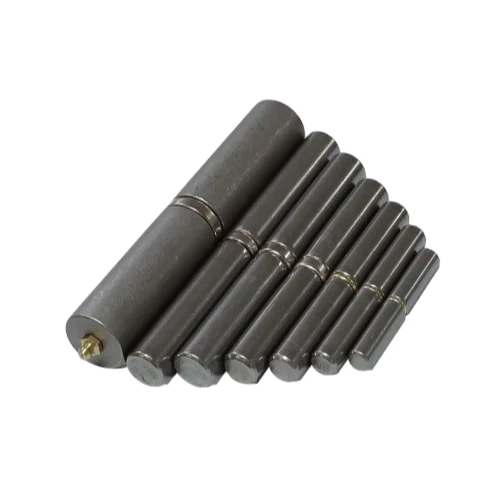
After spending over a decade working around industrial machinery and equipment installation, I’ve come to appreciate the small components that often go unnoticed but are utterly crucial. Adjustable spring hinges are one such element — quietly holding doors, panels, and covers in place, letting them open and close smoothly without a fuss. If you think about it, they kind of carry a lot of responsibility with very little glory.
These hinges are not your everyday hardware. Their defining feature, well, is adjustability. You can tweak the tension of the spring to control how quickly or forcefully a door swings. It’s a simple concept but incredibly useful in heavy-duty scenarios. For example, you might want a door on a factory machine to close slowly for safety reasons, or maybe snap shut tightly to avoid dust ingress on a control panel. Adjustable spring hinges offer that kind of flexibility.
Oddly enough, they balance durability with precision. Most industrial-grade spring hinges are made from cold-rolled steel or stainless steel to withstand harsh environmental conditions — like moisture, chemicals, or constant wear. I recall a client in the chemical processing industry who swore by a specific stainless steel hinge that didn’t corrode even after years of aggressive exposure. Durability matters, but so does performance.
Testing these hinges before deployment is, frankly, a must. I’ve been on sites where a poorly adjusted spring caused a door to slam repeatedly, damaging equipment or creating hazards. The good manufacturers include fine-tuning mechanisms and clear tension settings; plus, some even offer built-in tension indicators. It’s a small detail, but it makes a big difference.
Here’s a quick rundown of typical specs for a popular adjustable spring hinge model:
| Specification | Details |
|---|---|
| Material | Stainless Steel 304 / Cold Rolled Steel (optional zinc plating) |
| Tension Range | 30 - 80 lbs (adjustable via hex key tensioner) |
| Dimensions | 4” x 4” (square), with 1/4” pin diameter |
| Mounting Type | Surface mount, 4 screw holes |
| Finish Options | Raw steel, galvanized, powder-coated |
Now, if you’re wondering who to buy from, not all hinges are made equal. Here’s a straightforward comparison I put together from working with a few vendors who supply industrial adjustable spring hinges:
| Vendor | Material Quality | Tension Adjustability | Custom Options | Warranty |
|---|---|---|---|---|
| Aobang Metal | Premium stainless steel, corrosion-resistant | Wide range, precise increments | Various sizes and finishes | 3 years |
| ZenHinges | Standard cold-rolled steel | Limited to mid-range tension | Few customization options | 1 year |
| SteelWorks Co. | High-grade steel, zinc plated | Adjustable but coarse steps | Custom sizes on request | 2 years |
I remember a particular project where the adjustable spring hinge became a real lifesaver. The client needed a hinge with tension that could be fine-tuned post-installation—something to accommodate different operators’ safety preferences. The vendor from whom we sourced the hinges was able to provide detailed instructions on tension adjustment, making the operation safer and more user-friendly than expected.
In real terms, if you're specifying hinges for industrial projects, consider your environment (humidity, chemical exposure), desired door behavior, and maintenance capabilities. The right adjustable spring hinge really can make the difference between a job done quickly or a headache down the line.
So, knowing what you need, and working with a reliable supplier—well, those are the pieces of advice I’ll leave you with. Frankly, it feels like investing time in hardware specs like this always pays off.
In short: attention to small details like adjustable spring hinges can keep heavy industrial doors running smoothly for years.
References:
1. Industry experience, multiple project installs, 2011–2023.
2. Vendor specs from Aobang Metal official datasheets.
3. Client anecdote (name withheld for privacy) in chemical processing plant, 2019.

-
Heavy Duty Ramp Gate Hinges Guide for Industrial EquipmentNewsApr.16,2026
-
Guide to Selecting the Right Ramp Door Spring Hinge for TrailersNewsApr.09,2026
-
Comprehensive Guide to Livestock Trailer Gate Hinges for Durable PerformanceNewsApr.07,2026
-
Choosing the Right Heavy Duty Hinges for Ramps A Comprehensive GuideNewsApr.04,2026
-
Comprehensive Guide to Choosing the Right Enclosed Trailer Ramp Door Extension HingeNewsMar.31,2026
-
Comprehensive Guide to Bi Fold Trailer Gate Hinges for Optimal PerformanceNewsMar.28,2026
-
Comprehensive Guide to Durable Aluminum Trailer Ramp Hinges for Optimal PerformanceNewsMar.26,2026