




Understanding Cylindrical Hinges: A Mainstay in Industrial Equipment
Having spent quite a few years under the hood of industrial equipment—often literally—I've come across the beauty of simple, robust components time and again. Cylindrical hinges are one such unsung hero. You know those sturdy pivots that let a heavy door swing effortlessly day in and day out? That's them. Oddly enough, despite their straightforward design, they require meticulous engineering to outperform in demanding environments.
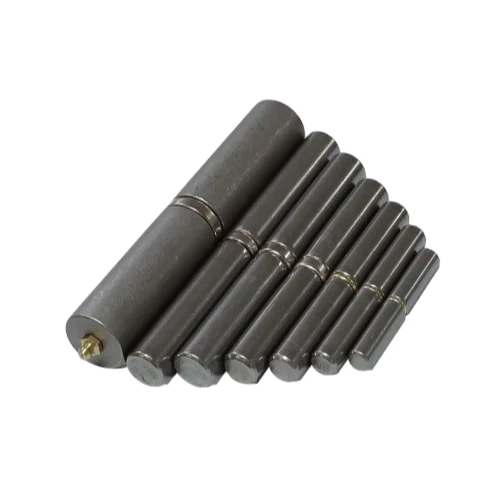
In real terms, a cylindrical hinge is essentially a hinge where the pin is concealed within a cylinder, which runs along the length of the hinge knuckles. This configuration yields a neat, sleek appearance and improved protection against dirt or corrosion—something crucial in industrial settings where grime is part of the daily grind.
Materials and design really make or break the performance here. These hinges are usually crafted from stainless steel or brass. Stainless steel, with its corrosion resistance, tends to dominate in locations exposed to moisture or harsh chemicals. Brass, though not as resistant, offers excellent machinability and an attractive finish, making it suitable for less demanding environments or where aesthetics matter a bit more.
I recall an instance at a manufacturing plant where several access doors kept failing because the hinges corroded faster than expected under chemical fumes. Switching to a stainless steel cylindrical hinge with an industrial-grade finish — specified and manufactured by a known provider I trust — solved the problem almost overnight. It’s funny how sometimes it just comes down to the hinge.
What many don’t realize is the testing involved before these hinges hit the production line. They undergo rigorous cycles — opening, closing, even exposure to salinity tests — to make sure they last and perform. Without that, your equipment doors could start sagging before you know it.
Typical Specifications of Cylindrical Hinges
| Specification | Typical Range / Value |
|---|---|
| Material | Stainless Steel (304, 316), Brass |
| Pin Diameter | 6 mm – 16 mm |
| Leaf Thickness | 1.5 mm – 3.0 mm |
| Load Capacity | Up to 120 kg per hinge |
| Finish | Polished, Satin, Powder-coated |
| Dimensions | Varies by application, typically 60x40 mm to 150x40 mm |
Customization options are also worth mentioning. For example, sometimes engineers ask for a unique pin length or a specific corrosion-resistant coating. Many hinge manufacturers often accommodate such requests — if you’re working with a vendor that knows the industrial game.
Vendor Comparison of Popular Cylindrical Hinge Suppliers
| Feature | Aobang Metal | Vendor B | Vendor C |
|---|---|---|---|
| Material Options | Stainless Steel, Brass, Customized Alloys | Stainless Steel Only | Stainless Steel, Aluminum |
| Customization Flexibility | High (pin size, finish, coatings) | Medium (standard sizes only) | Low (limited custom options) |
| Typical Lead Time | 2–3 weeks | 4–5 weeks | 3–4 weeks |
| Industry Certifications | ISO 9001, RoHS | None Reported | ISO 14001 |
| Average Price Level | Mid-range | Budget | Premium |
So, when you’re choosing a cylindrical hinge supplier, keep an eye on material variety, lead times, and certifications. Those all indicate how committed a vendor is to quality and delivery. Frankly, the difference between a hinge lasting years and one needing a swap after months is often about these details.
It feels a bit like choosing a trusted partner rather than just a component. And that trust comes with experience, so always lean on proven suppliers — like Aobang Metal, whom I’ve seen consistently deliver on their promises.
All told, cylindrical hinges aren’t flashy, but they sure are critical. They quietly hold the door, literally and figuratively, to reliable daily operation in countless industries. If you ever get a chance, poke around a factory or a commercial kitchen and spot one yourself — it’s a small lesson in engineering pragmatism, right there.
Quick takeaway: don’t underestimate the hinge’s role. It’s often the small things done well that keep big machines running smoothly.
References:
1. Industrial Hinge Engineering Handbook, 2022 Edition
2. “Corrosion Effects on Hinge Performance” – Journal of Manufacturing Technology, 2021
3. Aobang Metal Product Catalog, 2024

-
Heavy Duty Ramp Gate Hinges Guide for Industrial EquipmentNewsApr.16,2026
-
Guide to Selecting the Right Ramp Door Spring Hinge for TrailersNewsApr.09,2026
-
Comprehensive Guide to Livestock Trailer Gate Hinges for Durable PerformanceNewsApr.07,2026
-
Choosing the Right Heavy Duty Hinges for Ramps A Comprehensive GuideNewsApr.04,2026
-
Comprehensive Guide to Choosing the Right Enclosed Trailer Ramp Door Extension HingeNewsMar.31,2026
-
Comprehensive Guide to Bi Fold Trailer Gate Hinges for Optimal PerformanceNewsMar.28,2026
-
Comprehensive Guide to Durable Aluminum Trailer Ramp Hinges for Optimal PerformanceNewsMar.26,2026