




Understanding Dock Hinges: The Unsung Heroes of Port Infrastructure
When you think about bustling ports, massive cargo ships, and efficient loading zones, your mind might not wander immediately to something as small as dock hinges. Yet, these humble components are pivotal. Dock hinges play a crucial role in building, maintaining, and operating docks that keep global trade flowing, emergency supplies delivered, and industrial zones connected. Their importance stretches across continents and industries, sustaining economies and humanitarian efforts alike.
Why Dock Hinges Matter Globally
Dock hinges are a specialized kind of hinge designed to bear heavy loads and endure harsh environments. The global shipping industry moves over 80% of the world’s merchandise by volume according to the United Nations Conference on Trade and Development (UNCTAD). The efficiency and safety of loading docks, linked via these hinges, directly impacts how quickly goods reach markets, how disaster relief arrives in time, and how industrial supply chains run smoothly.
However, ports often face challenges such as corrosion from saltwater, mechanical fatigue, and the need for flexible infrastructure to adapt to different ship sizes and loading machinery. Properly designed dock hinges mitigate these issues, reducing downtime and repair costs.
What Exactly Are Dock Hinges?
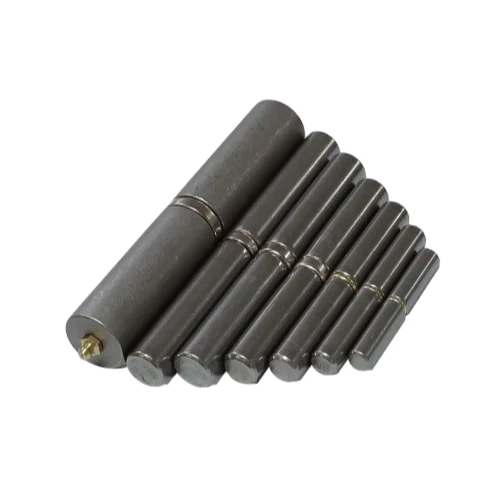
Simply put, dock hinges are heavy-duty mechanical joints used to connect parts of dock systems—whether to allow gates to swing open, loading ramps to pivot, or floating dock sections to articulate with tidal changes. They are crafted from robust materials like stainless steel or galvanized steel to withstand abuse from weather and heavy usage. In humanitarian logistics, dock hinges enable modular dock designs that can be assembled rapidly in remote or disaster-hit areas.
Core Components and Key Factors
1. Durability
The material selection for dock hinges is paramount. Corrosion resistance and high tensile strength ensure they last for years despite exposure to salt air, mechanical wear, and harsh weather conditions. For example, marine-grade stainless steel is often preferred for saltwater ports.
2. Load Capacity
Dock hinges must support enormous weights. Some gates or ramps can weigh several tons, so the hinges are engineered to handle both static loads and dynamic forces generated by movement, loading, and environmental stresses like strong winds or ice.
3. Flexibility & Movement
Floating docks rely on hinges that allow sections to move independently with the tides while maintaining a stable surface. This adaptability is vital for ports in areas with significant tidal fluctuations or rough sea conditions.
4. Maintenance & Accessibility
Ease of inspection, lubrication, and replacement impacts the long-term operability of docks. Hinges designed for quick servicing reduce downtime and labor costs, something engineers always appreciate.
5. Cost Efficiency
While upfront costs vary by material and design complexity, efficient dock hinges save money indirectly by extending infrastructure life and reducing repair frequency.
Product Specification Overview
| Specification | Standard Dock Hinge | Heavy-Duty Marine Hinge |
|---|---|---|
| Material | Galvanized Steel | Marine-grade Stainless Steel (316L) |
| Max Load Capacity | 2 Tons | 8 Tons |
| Corrosion Resistance | Moderate | High |
| Suitable for Floating Docks | No | Yes |
| Maintenance Frequency | Quarterly | Bi-annual |
Mini takeaway: Dock hinges might be overlooked, but their engineering intricacies—covering material science, mechanical design, and maintenance—directly influence dock usability and longevity.
Global Applications and Regional Use Cases
Dock hinges are everywhere—from the vast shipping container hubs of Rotterdam and Shanghai, to small ferry landings in remote Alaskan fishing villages. Their versatility means industries across the world rely on them:
- Commercial shipping ports: Efficient operation requires hinges that handle millions of container movements annually.
- Oil and gas offshore platforms: Specialized hinges allow access ramps and safety gates to function reliably in extreme marine environments.
- Emergency relief logistics: In natural disasters like tsunamis or hurricanes, modular docks featuring quick-assembly hinges accelerate delivery of critical supplies.
- Recreational marinas: Floating pontoons hinge smoothly to accommodate tidal shifts, enhancing user safety.
If you want insight into customizable or modular options, you could check out products like dock hinges that cater to various needs worldwide.
Advantages & Long-Term Value of Quality Dock Hinges
It's easy to focus on the mechanical side, but the value of dock hinges extends beyond hardware. Reliable hinges improve safety for dock workers, protect expensive equipment, and prevent costly delays. They contribute socially, too—ports that run smoothly support community employment and global supply chains that keep supermarket shelves stocked.
Emotionally, there's reassurance in using infrastructure built to last—trust comes from a secure docking system that won’t fail under pressure. Economically, the right hinge choice lowers lifecycle costs, making smart financial sense.
Emerging Trends and Innovations in Dock Hinges
Looking ahead, the dock hinge industry is evolving. Innovations include:
- Smart Materials: Corrosion-sensing coatings and self-lubricating polymers reduce maintenance effort.
- Automation-ready Designs: Hinges compatible with robotic gate operations and sensor-based monitoring.
- Sustainability: Eco-friendly manufacturing approaches and recyclable components.
- Modular, Rapid Deployment Systems: Supporting disaster relief and temporary industrial expansions.
These trends align with ISO’s ongoing advancements in port and marine equipment standards, pushing for safer and greener infrastructure.
Challenges & Solutions
Despite advances, challenges remain. Premature wear due to unnoticed corrosion or improper installation can cripple dock functionality. Experts recommend rigorous periodic inspections and choosing hinges matched to the environmental exposure, rather than cutting upfront costs.
Furthermore, training local maintenance teams to perform timely servicing reduces failure risks. Some companies even offer digital platforms to track hinge health remotely.
Vendor Comparison
| Vendor | Product Range | Customization | Lead Time | Pricing |
|---|---|---|---|---|
| Aobang Metal | Standard & Custom Dock Hinges | High - Made to Spec | 4-6 Weeks | Competitive |
| Maritime Hinge Co. | Heavy-Duty Marine Hinges | Moderate | 6-8 Weeks | Premium |
| Global Steel Components | Bulk Industrial Hinges | Low | 3-5 Weeks | Budget |
FAQ: Frequently Asked Questions About Dock Hinges
Q1: What types of materials are best for dock hinges in saltwater environments?
A: Marine-grade stainless steel (like 316L) is preferred due to its superior corrosion resistance and strength. Galvanized steel can be used but often requires more maintenance to prevent rust.
Q2: How often should dock hinges be inspected for safety?
A: Typically, hinges should be inspected at least bi-annually in harsh marine environments, and quarterly in extremely busy ports. Regular lubrication and checking for corrosion or wear extend hinge life.
Q3: Can dock hinges be customized to fit unique dock designs?
A: Absolutely. Many manufacturers offer custom sizing, load ratings, and mounting configurations to suit specialized requirements, especially for floating or modular docks.
Q4: Are dock hinges standardized internationally?
A: There are international guidelines under ISO and ASTM standards, but many components are tailored to specific port needs depending on climate, usage, and dock design.
Conclusion
In the shadow of towering cranes and massive cargo vessels, dock hinges may seem modest. Yet their role is anything but. From ensuring operational reliability to driving cost-effective longevity and safety, dock hinges quietly uphold the infrastructure of global trade and humanitarian aid. If you want to explore high-quality options, consider visiting our website https://www.aobangmetal.com for specialized dock hinges tailored to your needs.
Oddly enough, it often takes a closer look at the small parts to appreciate the vast systems they support.
References:

-
Heavy Duty Ramp Gate Hinges Guide for Industrial EquipmentNewsApr.16,2026
-
Guide to Selecting the Right Ramp Door Spring Hinge for TrailersNewsApr.09,2026
-
Comprehensive Guide to Livestock Trailer Gate Hinges for Durable PerformanceNewsApr.07,2026
-
Choosing the Right Heavy Duty Hinges for Ramps A Comprehensive GuideNewsApr.04,2026
-
Comprehensive Guide to Choosing the Right Enclosed Trailer Ramp Door Extension HingeNewsMar.31,2026
-
Comprehensive Guide to Bi Fold Trailer Gate Hinges for Optimal PerformanceNewsMar.28,2026
-
Comprehensive Guide to Durable Aluminum Trailer Ramp Hinges for Optimal PerformanceNewsMar.26,2026