




Nov . 26, 2025 20:10
Back to list
Commercial Door Hinges: Durable, Safe & Sustainable Hardware Solutions
The Quiet Backbone of Buildings: Why Commercial Door Hinges Matter
Ever paused to consider how something as seemingly simple as a door hinge affects facilities worldwide? Commercial door hinges are those unsung heroes that keep doors swinging smoothly in everything from skyscrapers to school halls and hospitals. With the world’s urban areas growing rapidly—according to the UN's World Urbanization Prospects (2018), over 55% of the global population lives in urban environments—reliable door hardware is a surprisingly critical factor. Poorly chosen or low-quality hinges can multiply maintenance costs, reduce security, and impact accessibility. Understanding commercial door hinges isn’t just about mechanics. It’s about durability, safety, compliance, and yes, even user comfort. This article dives into why these tiny pivot points grab huge importance in the architecture and construction sectors, echoing through industries and communities worldwide.Commercial Door Hinges in a Global Context
Globally, commercial buildings are growing faster than ever. Market analysts predict the commercial construction sector to grow steadily in the decade ahead due to urbanization, infrastructure development, and increased safety codes. The ISO 9227 standard for corrosion testing and other international benchmarks reflect this emphasis on long-lasting, high-quality hardware. But here’s the catch: many developing regions face challenges sourcing components that meet these stringent standards, resulting in quicker failure rates. The issue manifests across everything from hospitals needing sterile, smooth-operating doors to airports requiring high-security, heavy-duty hinges. Interestingly, the rise of sustainable building practices also pivots on the hinge industry’s innovation, pushing demand for recyclable materials and reduced waste from replacements. This nexus between globalization, industrial standards, and ecological responsibility firmly places commercial door hinges at the center of facility management challenges today. Mini takeaway: Commercial door hinges aren’t just local hardware components — they reflect global trends in urbanization, safety, and sustainability, crucial for modern infrastructure integrity.What Exactly Are Commercial Door Hinges?
At their core, commercial door hinges are robust pivoting devices that allow doors in public, industrial, and institutional settings to open and close reliably. Unlike residential hinges, these need to sustain much heavier weight, repeated use, and often comply with safety legislation like fire ratings or ADA (Americans with Disabilities Act) requirements. They’re typically made from stainless steel, brass, or other durable alloys engineered to resist corrosion and wear. In practical terms, think of them as the “joints” of buildings, enabling smooth access, security, and sometimes even fire containment or noise reduction. For industries like healthcare, education, and logistics, these hinges fulfill vital operational roles beyond just swinging a door. Mini takeaway: Commercial door hinges are specially designed to handle heavy-duty usage, regulatory compliance, and longevity in demanding environments.Core Features That Define Commercial Door Hinges
1. Durability and Corrosion Resistance
Since commercial hinges face weather, heavy traffic, and sometimes chemicals, materials like stainless steel or galvanized steel are common choices. Many hinges undergo salt spray and wear testing per ISO or ASTM standards to ensure they won’t rust or fail prematurely.2. Weight Capacity and Size Range
These hinges must support everything from lightweight aluminum doors to heavy fire doors weighing up to 200 kg. Manufacturers provide various sizes and pin thicknesses to match doors’ dimensions and weight, ensuring the hinge never becomes the weak link.3. Compliance with Safety Standards
Commercial hinges often come with fire ratings and meet building codes. Some also integrate security features like non-removable pins or tamper resistance to prevent forced entry.4. Finish and Aesthetic Options
Though performance is paramount, appearance still counts. Finishes range from satin stainless, brass-plated, to powder-coated colors matching architectural trends. This helps maintain visual harmony in offices, malls, or government buildings.5. Ease of Installation and Maintenance
Removable pins and self-lubricating designs simplify servicing. In some contexts, quick installation reduces downtime during renovations or emergency repairs.6. Scalability Across Different Settings
Whether it’s a school corridor or industrial loading dock, commercial hinges scale to various door materials and sizes, making them versatile for diverse structures. Mini takeaway: The best commercial door hinges combine strength, compliance, aesthetics, and user-friendly maintenance to suit multiple building needs.Where Commercial Door Hinges Really Make a Difference: Use Cases Around the World
In real terms, you find commercial hinges everywhere:- Healthcare facilities: Cleanliness and smooth operation are key to patient safety; stainless steel hinges with antimicrobial properties help here.
- Public transport hubs: Airports and train stations use heavy-duty, tamper-proof hinges designed for intense daily use.
- Commercial offices and retail: Fire-rated hinges ensure compliance and security, paired with stylish finishes.
- Disaster relief: Temporary modular housing, as seen in UN post-disaster projects, often relies on rugged commercial hinges to fast-track safe shelter construction.
- Industrial zones: Factories and warehouses select hinges resistant to oils, dust, and heavy mechanical impacts.
Comparing Key Commercial Door Hinge Specifications
| Feature | Typical Range | Notes |
|---|---|---|
| Material | Stainless steel, brass, galvanized steel | Corrosion resistance important |
| Weight Capacity | Up to 200 kg (440 lbs) | Varies by hinge size and pin thickness |
| Finish Options | Satin, polished, powder-coated | Match architectural designs |
| Fire Rating | Up to 3 hours (180 minutes) | Compliance with ASTM E2813, UL standards |
| Pin Type | Removable, non-removable, security pin | Affects security and maintenance ease |
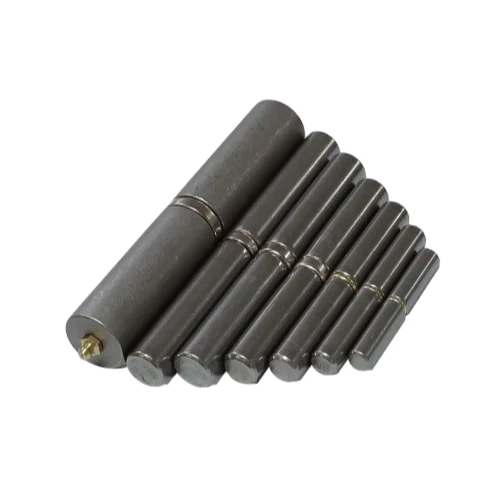
| Installation | Surface mount, recessed, weld-on | Depends on door/frame type |
Choosing the Right Partner: Vendor Comparison Table
| Vendor | Product Range | Quality Certifications | Lead Times | Sustainability Practices |
|---|---|---|---|---|
| Aobang Metal | Wide (fire-rated, stainless, security) | ISO 9001, ISO 14001 | 2–4 weeks | Recycling program, eco-packaging |
| Vendor B | Moderate, focus on residential | ISO 9001 | 3–6 weeks | Limited |
| Vendor C | Specialist security hardware | UL Listed | 4–8 weeks | Energy-efficient manufacturing |
Why Invest in Quality Commercial Door Hinges?
The tangible benefits are evident:- Lower lifetime costs: Durable hinges resist corrosion and wear, cutting down replacements and servicing.
- Improved safety: Fire-rated and tamper-resistant features protect buildings and occupants.
- Boosted aesthetics and comfort: Smooth operation contributes to user experience and accessibility compliance.
- Sustainability: Choosing recyclable materials supports green building practices.
- Trust & security: Reliable hardware reassures businesses, government agencies, and NGOs alike.
What’s Next? Emerging Trends in Commercial Door Hinges
Innovation within this modest niche is quietly robust. Here’s what engineers and manufacturers are buzzing about:- Smart hinges: Integrated sensors to monitor usage, wear, even door status for building management systems.
- Eco-materials: Development of composite alloys incorporating recycled metals, reducing environmental footprints.
- Automation compatibility: Hinges engineered for smooth integration with automatic door openers, keeping energy use low and safety high.
- Enhanced finishes: Anti-microbial coatings in response to heightened hygiene concerns post-pandemic.
- Modularity and customization: Faster lead times with bespoke manufacturing powered by 3D printing technologies.
Challenges and How Experts Are Tackling Them
Despite everything, issues remain:- Uneven quality: Not all suppliers stick to certified materials, especially in emerging markets.
- Installation errors: Improper hinge alignments cause premature failure.
- Environmental exposure: Coastal regions challenge corrosion resistance massively.
- Costs vs. performance: Budget projects sometimes skimp on quality, causing false economies.
FAQ: Common Questions About Commercial Door Hinges
- Q: What makes commercial door hinges different from residential ones?
- A: Commercial hinges are built for heavier usage, greater door weights, and to meet strict safety standards like fire ratings and ADA compliance. In comparison, residential hinges are typically lighter, less durable, and don’t usually have tamper-resistance features.
- Q: How long do commercial door hinges typically last?
- A: With proper installation and maintenance, high-quality commercial hinges can last 10-20 years or more. Factors like environment, door weight, and frequency of use impact longevity significantly.
- Q: Are commercial door hinges eco-friendly?
- A: Many modern commercial hinges use recyclable materials like stainless steel and brass. Some manufacturers incorporate recycled metals and apply eco-friendly finishes, supporting sustainable building goals.
- Q: Can these hinges be customized for special doors?
- A: Absolutely. From size, weight capacity, fire rating, to finishes, bespoke manufacturing is common. Some vendors offer quick-turn customs, especially for large projects.
- Q: How do companies import commercial door hinges internationally?
- A: Most suppliers, including commercial door hinges specialists, handle global shipping and provide documentation compliant with customs and quality certifications, simplifying logistics for overseas buyers.
In Conclusion: Why This Small Component Packs a Big Punch
Commercial door hinges might seem like a minor detail — until a faulty hinge disrupts an entire facility’s operation. From urban skyscrapers to remote relief shelters, these hinges support vital infrastructure quietly, reliably, and increasingly sustainably. Investing in quality commercial hinges is investing in safety, long-term cost savings, and smoother day-to-day experiences for millions. Curious to explore reliable solutions or want a deeper dive into specifications? Visit https://www.aobangmetal.com for expert products, certifications, and tailored assistance. ---References
Latest news
-
Heavy Duty Ramp Gate Hinges Guide for Industrial EquipmentNewsApr.16,2026
-
Guide to Selecting the Right Ramp Door Spring Hinge for TrailersNewsApr.09,2026
-
Comprehensive Guide to Livestock Trailer Gate Hinges for Durable PerformanceNewsApr.07,2026
-
Choosing the Right Heavy Duty Hinges for Ramps A Comprehensive GuideNewsApr.04,2026
-
Comprehensive Guide to Choosing the Right Enclosed Trailer Ramp Door Extension HingeNewsMar.31,2026
-
Comprehensive Guide to Bi Fold Trailer Gate Hinges for Optimal PerformanceNewsMar.28,2026
-
Comprehensive Guide to Durable Aluminum Trailer Ramp Hinges for Optimal PerformanceNewsMar.26,2026