




How to Buy Hinges That Actually Work for Industrial Applications
Having spent over two decades in the industrial equipment sector, I can tell you buying hinges is far from just picking any metal scrap with holes. There’s a subtle art... and frankly, a science, that often gets overlooked. When I first walked the floor of a manufacturing plant, most folks treated hinges as throwaway components, but those little pivot points often bear the brunt of heavy use—doors, lids, panels, gates—you name it.
Oddly enough, the choice of hinge—material, design, testing—makes all the difference between frequent maintenance headaches and decades of hassle-free operation.
Why Material and Design Matter When You Buy Hinges
Most engineers I've met prefer stainless steel for corrosion resistance, especially when hinges are exposed to the elements or chemicals. But sometimes, mild steel with a zinc coating or brass for decorative yet functional applications does the trick. I remember one outdoor conveyor system retrofit where a cheaper alloy hinge had to be swapped out in less than a year due to rust, costing the client unnecessary downtime.
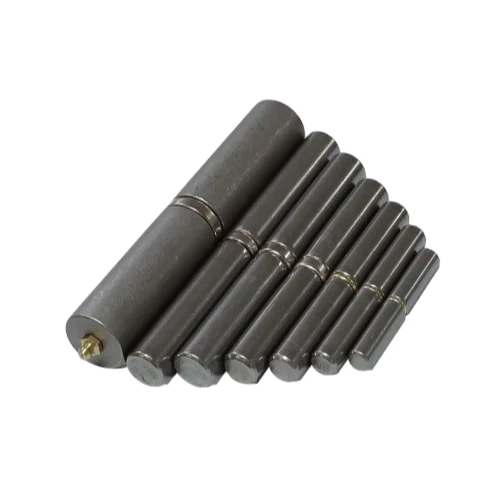
Design-wise, ball bearing hinges are the unsung heroes where heavy loads and frequent movement are concerned. They reduce friction and wear—a small upfront cost for a big long-term payback. Plain barrel hinges? They have their place, sure, but expect to oil and adjust them more often.
Industrial Hinge Specifications: What to Look For
| Specification | Typical Range | Notes |
|---|---|---|
| Material | Stainless Steel, Brass, Mild Steel Zinc-Coated | Choose based on environment and load |
| Load Capacity | Up to 800 lbs per hinge | Depends on hinge size and bearing type |
| Corrosion Resistance | Rustproof coatings, Grade 304/316 SS | Crucial for outdoor or chemical exposure |
| Size (Height x Width) | 2" to 8" typical industrial sizes | Match hinge size to door/panel weight |
| Finish | Powder coated, polished, electroplated | Finish affects durability and looks |
Custom sizes and stronger alloys are always options, too. I find many warehouses and plants end up requesting custom-length hinges to fit unusual doors or machine panels—sometimes the specs on stock products simply don’t cut it.
Comparing Popular Hinge Suppliers: What Sets Them Apart?
| Supplier | Product Range | Customization | Lead Time | Pricing |
|---|---|---|---|---|
| Aobang Metal | Wide (industrial & decorative) | High - custom lengths, materials | 2-3 weeks | Competitive |
| SteelPro Hinges | Moderate (standard hinges) | Limited | 1-2 weeks | Mid-range |
| HeavyDuty Parts | Heavy load-specific | Moderate | 3-4 weeks | Premium |
In my experience, working with Aobang Metal feels like a reliable partnership. Their ability to adapt to custom needs without crazy markups is rare. There’s this one mid-sized packaging firm I advised last year that switched to their hinges and hasn’t looked back—the quality difference and post-installation support really matter.
Of course, every project is different. Sometimes urgent needs mean you pick the fastest supplier. Other times, you invest upfront for longevity. But no matter what, the hinge choice is a small detail with outsized impact.
So, when you next need to buy hinges, ask yourself: what’s the environment like? How often will it be used? What’s the weight? Because those answers make the difference between a quick fix and a durable, smooth solution.
And yeah, I know it sounds obvious... but it pays to think about it.
Final Thoughts
After years on the floor, I'd say the best hinges are the ones you don’t hear about — no squeaks, no rust, no surprises. They quietly do their job. Reminds me how sometimes the smallest components hold up the biggest systems.
So take your time, check specs, and don’t hesitate to chat with suppliers before ordering. Really, it’s worth it.
References and thoughts:
- Industry feedback from multiple plant engineers (2010–2023)
- Personal project experiences and supplier interactions
- Aobang Metal’s product catalogs and customization guidelines

-
Heavy Duty Ramp Gate Hinges Guide for Industrial EquipmentNewsApr.16,2026
-
Guide to Selecting the Right Ramp Door Spring Hinge for TrailersNewsApr.09,2026
-
Comprehensive Guide to Livestock Trailer Gate Hinges for Durable PerformanceNewsApr.07,2026
-
Choosing the Right Heavy Duty Hinges for Ramps A Comprehensive GuideNewsApr.04,2026
-
Comprehensive Guide to Choosing the Right Enclosed Trailer Ramp Door Extension HingeNewsMar.31,2026
-
Comprehensive Guide to Bi Fold Trailer Gate Hinges for Optimal PerformanceNewsMar.28,2026
-
Comprehensive Guide to Durable Aluminum Trailer Ramp Hinges for Optimal PerformanceNewsMar.26,2026