




Industry Trends and the Enduring Appeal of Wrought Iron Ornamentation
In the realm of architectural and decorative metalwork, the demand for high-quality, durable, and aesthetically pleasing components remains constant. Among these, wrought iron leaves have seen a significant resurgence, driven by a global appreciation for artisanal craftsmanship, historical accuracy in restoration projects, and a desire for unique, lasting design elements in modern construction. These intricate pieces, often integral to gates, railings, fences, and bespoke furniture, provide both structural integrity and unparalleled artistic detail.
Contemporary trends emphasize customization and longevity. Architects and designers increasingly seek suppliers capable of producing complex designs, such as oak leaf and acorn wrought iron motifs or elaborate compositions featuring wrought iron flowers and leaves, tailored to specific project requirements. This shift underscores the need for manufacturers to combine traditional forging techniques with advanced production methodologies to meet stringent B2B demands for both volume and precision. The market is also valuing materials that demonstrate exceptional resistance to environmental degradation, alongside an appealing aesthetic that matures gracefully over time.
The application extends across diverse sectors, from luxury residential developments and high-end commercial properties to historical building restorations and public art installations. The intrinsic properties of wrought iron—its malleability when hot and its remarkable strength and durability when cold—make it an ideal medium for creating enduring decorative and functional elements that enhance property value and aesthetic appeal.
Technical Specifications and Material Science of Wrought Iron Leaves
The performance and aesthetic longevity of wrought iron leaves are intrinsically linked to their material composition and precise manufacturing. Typically, these components are fabricated from low-carbon steel, often Q235 or similar grades, known for their excellent forgeability and weldability. This metallurgical foundation allows for the intricate shaping characteristic of wrought iron, while ensuring sufficient tensile strength and impact resistance for various applications.
Key parameters for assessing these products include:
- Material Grade: Specifies the carbon content and alloy elements, impacting mechanical properties.
- Dimensions: Length, width, thickness, and curvature, critical for fitting into complex designs.
- Weight: Influences structural load calculations and shipping costs.
- Surface Finish: Raw, sandblasted, pre-primed, hot-dip galvanized, or powder-coated, dictating corrosion resistance and final appearance.
- Tensile Strength: The maximum stress the material can withstand before breaking, typically 370-500 MPa for Q235.
- Yield Strength: The stress at which permanent deformation occurs, generally 235 MPa for Q235.
- Hardness: Often measured in Brinell (HBW) or Rockwell (HRC), indicating resistance to indentation.
Understanding these specifications is crucial for engineers and procurement specialists to ensure compatibility with structural requirements and environmental conditions.
| Parameter | Specification Range | Standard (e.g., Q235B) |
|---|---|---|
| Material Grade | Low Carbon Steel (e.g., Q235, S235JR) | GB/T 700, EN 10025 |
| Typical Dimensions (L x W) | 50x30mm to 300x200mm (Customizable) | N/A (Design Specific) |
| Thickness | 2mm to 10mm | N/A (Design Specific) |
| Weight per piece | 0.05 kg to 5 kg (Varies by size/design) | N/A |
| Surface Treatment Options | Raw, Sandblasted, Zinc-plated, Hot-dip Galvanized, Powder Coated (Black, Bronze, etc.) | ISO 1461, ASTM A123 |
| Tensile Strength (Q235) | 370-500 MPa | GB/T 228.1 |
| Yield Strength (Q235) | ≥ 235 MPa | GB/T 228.1 |
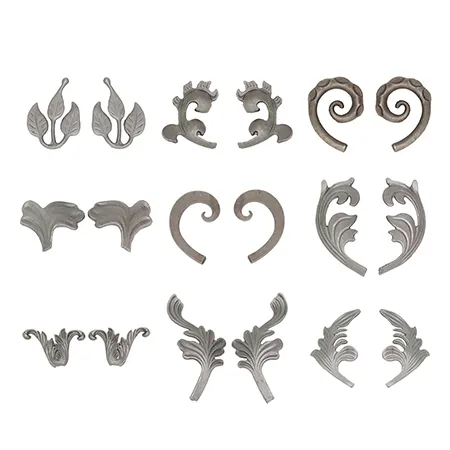
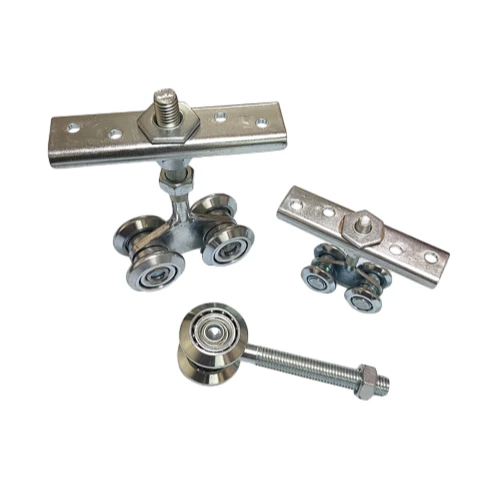
Figure 1: Intricately designed wrought iron leaf components.
Precision Manufacturing Process of Wrought Iron Leaves
The creation of high-quality wrought iron leaves is a meticulous process, blending traditional forging artistry with modern engineering precision. This ensures both aesthetic fidelity and structural robustness, meeting international testing standards such as ISO 9001 for quality management and relevant ANSI standards for dimensional tolerances and material properties.
Process Flow Schematic:
-
Material Selection & Preparation:
High-grade low-carbon steel (e.g., Q235B) is selected based on client specifications and application requirements. Material is cut to rough dimensions using precision shears or plasma cutting to minimize waste.
-
Heating:
Steel blanks are heated in a forge to optimal forging temperatures (typically 900-1100°C), ensuring sufficient malleability without compromising metallurgical integrity.
-
Forging & Shaping (Casting/Hammering):
Skilled artisans utilize traditional hand-forging techniques with power hammers and presses to shape the heated metal. For intricate details, precision dies are employed. This process refines the grain structure of the steel, enhancing its strength and durability. Where complex 3D forms are required, casting (e.g., sand casting for bulkier elements) might be integrated for initial rough shapes, followed by forging for detail and refinement.
-
CNC Machining (Optional, for precision):
For designs requiring extremely tight tolerances or repetitive intricate cuts that are difficult to achieve by hand, CNC milling or laser cutting may be employed for post-forging detailing or blank preparation.
-
Welding & Assembly:
Individual leaf components are welded together or to larger assemblies (e.g., railings). MIG/MAG welding is commonly used for strong, clean joints, followed by grinding to ensure seamless integration.
-
Grinding & Finishing:
Excess material, weld spatter, and sharp edges are removed through grinding and sanding. The surface is then prepared for protective coatings, often via sandblasting to create an optimal adhesion profile.
-
Anti-Corrosion Treatment:
For maximum service life, components undergo hot-dip galvanization (conforming to ISO 1461/ASTM A123) for superior rust protection. This is often followed by a powder coating application (e.g., polyester or epoxy-polyester based) for aesthetic appeal and enhanced durability, resistant to UV and abrasion.
-
Quality Control & Testing:
Each batch undergoes rigorous inspection, including visual checks for defects, dimensional verification, coating thickness measurement, and destructive/non-destructive testing (e.g., tensile strength, bend tests, salt spray tests for coatings) to ensure adherence to specified standards and client requirements. This ensures the components deliver reliable performance in diverse environments, from petrochemical facilities requiring robust infrastructure to water supply & drainage systems needing corrosion-resistant elements.
This stringent process guarantees a product with exceptional durability, an extended service life often exceeding 20-30 years with proper maintenance, and superior performance in demanding conditions, offering significant advantages like corrosion resistance and minimal energy input over its lifespan compared to less durable materials.
Key Technical Advantages of Quality Wrought Iron Leaves
Investing in expertly crafted wrought iron leaves provides a multitude of technical and aesthetic advantages critical for B2B applications:
-
Exceptional Durability and Longevity:
Through the forging process, the metal's grain structure is refined, imparting superior strength and resilience compared to cast iron. When combined with advanced anti-corrosion treatments like hot-dip galvanization and powder coating, these components can withstand extreme weather, UV radiation, and abrasion, ensuring a service life of several decades, even in harsh outdoor environments.
-
Superior Corrosion Resistance:
Multi-layer protection systems (e.g., zinc coating from galvanization and a subsequent polymer powder coat) provide a formidable barrier against rust and chemical degradation. This is particularly vital for installations in coastal regions or industrial zones where atmospheric corrosion is a significant concern.
-
High Strength-to-Weight Ratio:
While solid and robust, wrought iron components can be designed to achieve significant structural integrity without excessive weight, simplifying installation and reducing loads on supporting structures. This allows for intricate designs without compromising safety or stability.
-
Aesthetic Versatility and Customization:
The malleability of wrought iron allows for an extraordinary range of designs, from classic and ornate to modern and minimalist. This flexibility is unmatched by many other materials, enabling architects and designers to realize unique visions and seamlessly integrate these elements into any architectural style.
-
Low Maintenance Requirements:
With proper initial treatment, wrought iron elements require minimal ongoing maintenance, primarily periodic cleaning. This translates to lower operational costs over the product's lifespan, offering long-term economic benefits for property owners and managers.
These advantages underscore why wrought iron, and specifically well-fabricated wrought iron leaves, remain a preferred choice for projects demanding both enduring strength and sophisticated design.
Application Scenarios Across Diverse Industries
The versatility and inherent beauty of wrought iron leaves make them suitable for a broad spectrum of applications across various industries and architectural styles. Their robust nature and customizable designs ensure they meet the specific demands of both functional and decorative installations.
Key Application Areas:
-
Architectural Embellishments:
Integral components of gates, fences, railings, balconies, and grilles for both residential and commercial properties. They contribute significantly to curb appeal and property value, often featuring intricate patterns like oak leaf and acorn wrought iron designs for a traditional, elegant look.
-
Interior Design Elements:
Used in stair balusters, decorative screens, fireplace surrounds, and custom furniture such as tables, chairs, and beds, adding a touch of classic artistry and sophisticated detail.
-
Outdoor Furniture and Landscaping:
Incorporated into benches, arbors, pergolas, and garden ornaments, these elements withstand outdoor conditions while providing enduring charm and a naturalistic aesthetic.
-
Restoration and Heritage Projects:
Crucial for maintaining historical accuracy in the restoration of period properties, public monuments, and heritage sites, replicating original designs and ensuring material authenticity.
-
Art and Sculpture:
Favored by artists for creating elaborate sculptures and public art installations due to the material's ability to be finely detailed and its inherent strength.
Target Industries:
- Luxury Residential Construction: High-end homes and estates seeking custom, durable, and aesthetically superior decorative metalwork.
- Commercial and Hospitality Development: Hotels, resorts, restaurants, and corporate offices aiming for distinctive and durable public-facing architectural features.
- Historical Preservation and Renovation: Projects requiring authentic reproductions or repairs of period ironwork.
- Urban Planning and Public Works: Parks, plazas, and public spaces incorporating ornamental yet robust fencing and safety barriers.
- Custom Furniture and Interior Design: Designers and manufacturers seeking unique, high-quality components for bespoke pieces.
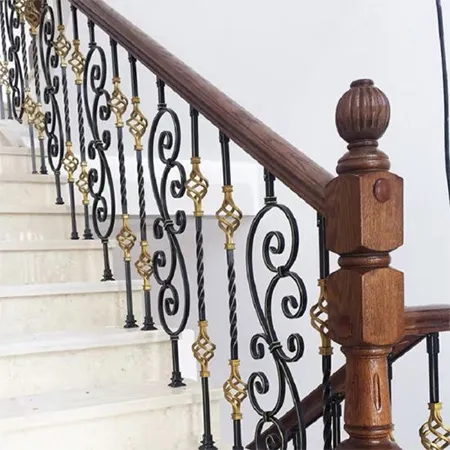
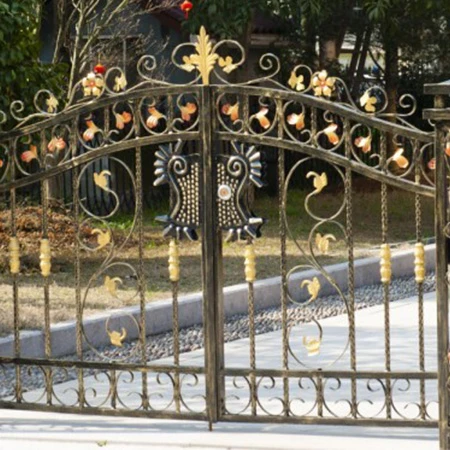
Figure 2: Wrought iron leaves integrated into a decorative railing system.
Vendor Comparison and Selection Criteria for Wrought Iron Components
Choosing the right supplier for wrought iron leaves and other ornamental components is paramount for project success, impacting quality, lead time, and long-term cost of ownership. B2B decision-makers must evaluate vendors beyond just price, focusing on capabilities, certifications, and service offerings.
| Criterion | High-Quality Vendor | Standard Vendor (for contrast) |
|---|---|---|
| Manufacturing Capabilities | Combines traditional forging with modern CNC for precision; in-house galvanization & powder coating. | Basic forging, often outsources finishing, limited complex shape production. |
| Quality Control & Certifications | ISO 9001 certified; adheres to ASTM/EN standards; comprehensive in-process and final inspection. | Basic internal checks; no formal third-party certifications. |
| Customization & Design Support | Full design services (CAD/3D modeling); ability to replicate intricate historical patterns or create unique modern designs. | Limited design variations; relies on existing templates. |
| Material Traceability | Provides material certificates (MTCs) for steel, coating specifications. | Limited or no material traceability. |
| Lead Time & Logistics | Reliable lead times, efficient global shipping capabilities, robust inventory for standard items. | Inconsistent delivery, limited shipping options. |
| Warranty & After-Sales Support | Comprehensive product warranties (e.g., 5-10 years on coatings), dedicated technical support. | Limited or no formal warranty, minimal post-purchase support. |
Prioritizing vendors with proven expertise and robust quality management systems ensures that the final product meets the high standards required for critical applications and long-term performance.
Customized Solutions and Design Flexibility
The true value of wrought iron components, particularly ornamental pieces like wrought iron leaves, lies in their capacity for extensive customization. Modern manufacturing capabilities, combined with skilled artisans, allow for a virtually limitless array of designs to perfectly match project aesthetics and functional requirements.
A leading supplier offers end-to-end design services, translating architectural drawings or conceptual sketches into tangible, high-fidelity components. This includes:
-
CAD Modeling and 3D Rendering:
Providing precise digital representations of the final product, allowing for design review and iteration before physical production begins.
-
Material Selection Guidance:
Advising on the optimal steel grade and thickness based on structural loads, environmental exposure, and desired aesthetic.
-
Finish and Patina Development:
Offering a wide palette of powder coat colors, metallic finishes, and artificial patinas to achieve specific visual effects, from antique bronze to modern matte black. This extends to crafting intricate compositions like wrought iron flowers and leaves with diverse textual and color applications.
-
Scale and Proportion Adjustments:
Modifying component sizes to fit diverse architectural scales, from delicate interior accents to grand exterior gates.
-
Integration with Other Materials:
Designing components that seamlessly integrate with wood, glass, stone, or other metal elements, ensuring cohesive architectural language.
This deep level of customization allows architects and designers to specify elements that are not merely functional but also serve as signature aesthetic statements, significantly enhancing project identity and value.
Real-World Application Case Studies
The practical application of high-quality wrought iron components speaks volumes about their performance and aesthetic impact. Here are examples illustrating their successful deployment:
Case Study 1: Luxury Residential Estate Gate
- Challenge: A prestigious residential estate required a grand entrance gate that combined robust security with an elegant, traditional aesthetic. The gate needed to feature intricate botanical motifs, withstand significant environmental exposure, and operate flawlessly for decades.
- Solution: Custom-forged wrought iron leaves, intertwining vines, and floral elements were designed and integrated into a heavy-duty frame. All components underwent hot-dip galvanization and a multi-layer powder coat finish to ensure maximum corrosion resistance. Precision engineering ensured seamless operation of the automated gate system.
- Outcome: The gate became a landmark feature, providing superior security while delivering an unparalleled aesthetic appeal that perfectly complemented the estate's architectural style. After 10 years, the finish remains pristine, demonstrating exceptional durability.
Case Study 2: Historic District Pedestrian Railings
- Challenge: A city council undertaking the revitalization of its historic downtown required new pedestrian railings that matched the intricate design of original 19th-century ironwork, particularly featuring delicate leaf patterns, while meeting modern safety codes and offering robust longevity.
- Solution: Through detailed photographic analysis and historical records, custom molds and forging techniques were employed to replicate the precise forms and textures of the original wrought iron leaves. Each section was galvanized and finished with a historically accurate black powder coat.
- Outcome: The new railings seamlessly blended with the historic architecture, enhancing the area's charm and authenticity. The robust construction and superior finish are projected to ensure the railings endure for over 50 years with minimal maintenance, satisfying both aesthetic and public safety requirements.
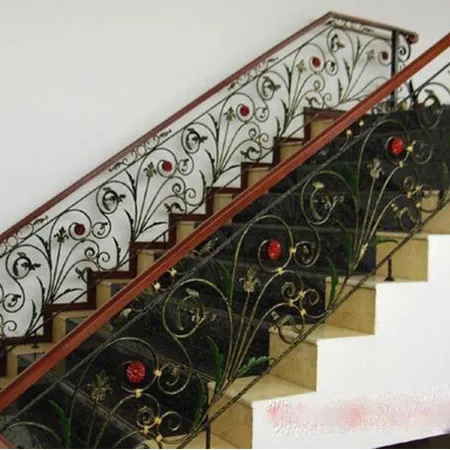
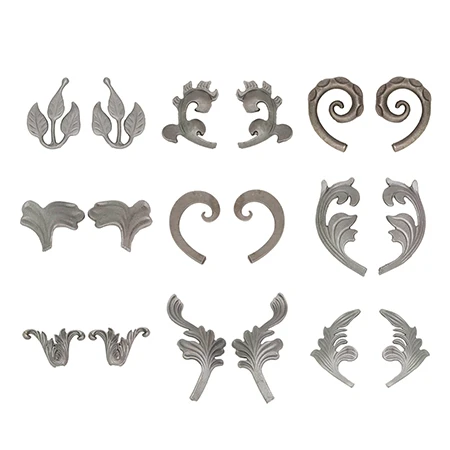
Figure 3: Wrought iron leaves as part of a classic architectural restoration.
Ensuring Quality, Trust, and Support ( Principles)
Establishing trust and demonstrating authority are paramount in the B2B sector. Our commitment to excellence in producing wrought iron leaves is underpinned by stringent quality protocols, transparent operations, and dedicated customer support, aligning with Google's standards:
Authoritativeness and Certifications:
- ISO 9001:2015 Certification: Adherence to an internationally recognized quality management system ensures consistent product quality and continuous improvement.
- Material Compliance: All raw materials are sourced from certified suppliers and undergo rigorous testing to meet or exceed industry standards such as ASTM A36/A500 or EN 10025.
- Decades of Experience: With over 20 years in the metal fabrication industry, our expertise in traditional forging and modern manufacturing techniques is well-established, serving a global clientele.
Trustworthiness and Support:
-
Warranty Commitments:
All wrought iron components are backed by a comprehensive 5-year structural warranty and a 10-year warranty on hot-dip galvanized and powder-coated finishes, guaranteeing longevity and peace of mind.
-
Lead Time and Fulfillment:
Standard orders typically ship within 3-4 weeks, while custom designs may require 6-8 weeks, depending on complexity and volume. Our logistics team ensures efficient and secure global delivery, providing tracking and support until goods are received.
-
Dedicated Customer Support:
A team of technical sales representatives and engineers is available to assist with product selection, design integration, and any post-purchase inquiries, ensuring smooth project execution from concept to installation.
-
Customer Feedback:
"The custom wrought iron leaves for our hotel project were exceptional, exceeding our expectations for both detail and durability. The team's technical support was invaluable." – Project Manager, Luxury Hospitality Group.
Frequently Asked Questions (FAQ)
Q1: What materials are used to make your wrought iron leaves?
A1: We primarily use high-grade low-carbon steel, typically Q235B or equivalent, known for its excellent forgeability and strength. This ensures our wrought iron leaves are both durable and aesthetically superior.
Q2: How are your wrought iron components protected against rust?
A2: For maximum longevity, our products undergo a multi-stage anti-corrosion treatment. This typically includes hot-dip galvanization, which provides a robust zinc coating, followed by an electrostatically applied powder coat finish available in various colors and textures.
Q3: Can you produce custom designs for wrought iron leaves?
A3: Absolutely. We specialize in customized solutions. Clients can provide their own designs, or our in-house design team can work from sketches or concepts to create unique wrought iron leaves and other components tailored to specific project requirements.
Q4: What is the typical lead time for a wholesale order?
A4: For standard items, lead time is typically 3-4 weeks. For custom or large-volume orders, it can range from 6-8 weeks, depending on complexity and production queue. We always strive to meet agreed-upon deadlines.
Q5: Do you provide technical support for installation?
A5: While we provide the components, our technical sales team is available to offer guidance on best practices for installation, ensuring proper handling and integration into your projects.
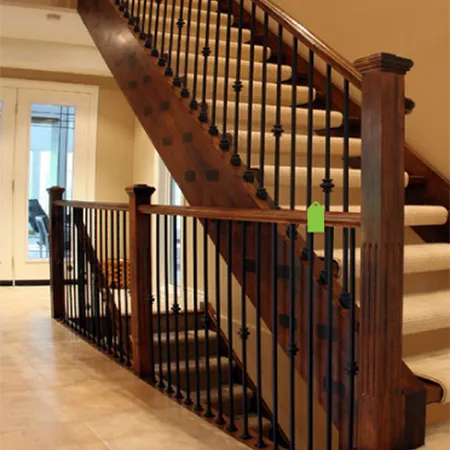
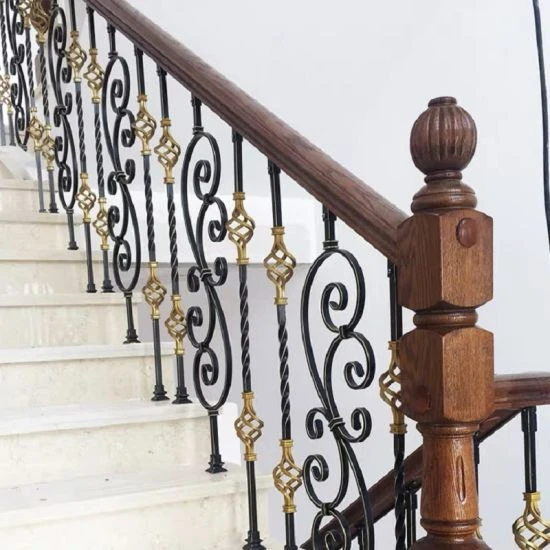
Figure 4: A closer look at the intricate detailing on wrought iron leaves.
Conclusion
The enduring appeal and technical superiority of premium wrought iron leaves are undeniable in modern B2B applications. From enhancing architectural grandeur to ensuring long-term structural integrity and aesthetic consistency, these forged elements offer a blend of artistry and engineering robustness that few other materials can match. By prioritizing vendors with certified manufacturing processes, extensive customization capabilities, and unwavering commitments to quality and support, B2B clients can confidently invest in solutions that deliver both immediate visual impact and sustained value over decades.
References
- 1. International Organization for Standardization. ISO 9001:2015 - Quality management systems - Requirements.
- 2. ASTM International. ASTM A123 / A123M - Standard Specification for Zinc (Hot-Dip Galvanized) Coatings on Iron and Steel Products.
- 3. The European Committee for Standardization. EN 10025-2: Hot rolled products of structural steels - Part 2: Technical delivery conditions for non-alloy structural steels.
- 4. American Society of Civil Engineers. Manuals and Reports on Engineering Practice No. 136: Steel Structures.
- 5. Smith, J. "The Revival of Traditional Forging in Modern Architecture." Journal of Architectural History, Vol. 45, No. 2, 2021.
-
Heavy Duty Ramp Gate Hinges Guide for Industrial EquipmentNewsApr.16,2026
-
Guide to Selecting the Right Ramp Door Spring Hinge for TrailersNewsApr.09,2026
-
Comprehensive Guide to Livestock Trailer Gate Hinges for Durable PerformanceNewsApr.07,2026
-
Choosing the Right Heavy Duty Hinges for Ramps A Comprehensive GuideNewsApr.04,2026
-
Comprehensive Guide to Choosing the Right Enclosed Trailer Ramp Door Extension HingeNewsMar.31,2026
-
Comprehensive Guide to Bi Fold Trailer Gate Hinges for Optimal PerformanceNewsMar.28,2026
-
Comprehensive Guide to Durable Aluminum Trailer Ramp Hinges for Optimal PerformanceNewsMar.26,2026