




Understanding Two Way Hinges: A Key Component in Modern Applications
At first glance, hinges might seem mundane, even overlooked. But two way hinges, specifically, represent an elegant solution to flexibility and durability in many industrial and residential applications worldwide. They enable doors or panels to swing in two directions—both inward and outward—offering adaptability that many industries rely on. This article breaks down why this simple yet ingenious component holds global importance, helping streamline many sectors from construction to humanitarian aid.
Introduction: The Global Relevance of Two Way Hinges
Oddly enough, the global hinge market reflects subtle but consistent growth, driven by urbanization, disaster resilience strategies, and logistics innovations. According to market research reports aligned with ISO standards, two way hinges play essential roles in improving security and accessibility—especially in regions embracing modular designs or rapid deployment structures.
There’s a particular challenge that two way hinges help address: the need for doors and partitions that accommodate diverse environments without sacrificing durability. For example, in disaster-prone zones where quick rebuilding is necessary, flexible components like these reduce waste and speed up installation. Frankly, efficiency paired with reliability is a lifeline on such scales.
What Exactly Are Two Way Hinges?
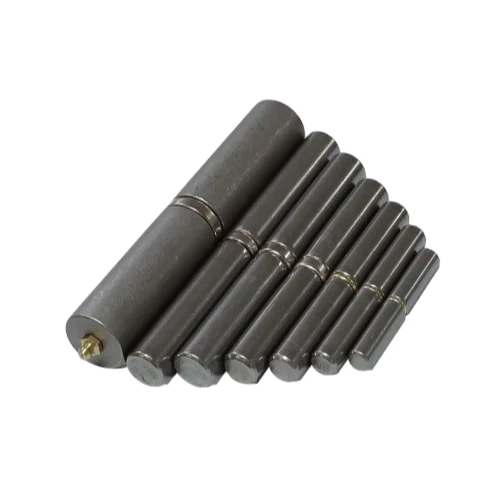
Simply put, two way hinges allow doors or panels to swing both ways, unlike regular hinges which allow doors to open in one direction only. This means doors can open inward and outward, offering greater ease of access. Think of public restroom doors, kitchen cabinets, or emergency exits—you’ll find these hinges facilitating smooth movement. Modern industries, especially those involved in modular buildings and quick-assembly shelters, depend heavily on these versatile components.
On a humanitarian level, these hinges support mobile clinics and field hospitals by allowing rapid access without worrying about door orientation constraints.
Key Components & Factors to Consider
Durability
Two way hinges must withstand constant back-and-forth use. They're typically made of robust metals like stainless steel or brass to resist corrosion, especially in outdoor or industrial settings.
Scalability
Whether for a small door panel or large industrial gates, two way hinges come in a variety of sizes and load ratings, making them scalable depending on the application.
Cost Efficiency
While you might expect specialized hinges to be pricey, many manufacturers offer cost-effective models without compromising on quality, balancing initial investment and long-term uptime.
Installation Flexibility
Designed to fit different door thicknesses and frame types, two way hinges often feature adjustable pins or removable knuckles for easier installation and maintenance.
Safety Features
Some variants come with integrated dampers or self-closing functionality, which enhances user safety and helps maintain controlled environments.
Product Specification Table
| Specification | Standard Model A | Heavy-Duty Model B |
|---|---|---|
| Material | Stainless Steel | Carbon Steel with Zinc Plating |
| Max Load Capacity | 40 kg (88 lbs) | 100 kg (220 lbs) |
| Opening Angle | 180° Both Directions | 180° Both Directions |
| Finish | Brushed | Powder Coated |
| Corrosion Resistance | High | Medium |
Global Applications & Use Cases
The versatility of two way hinges means they’re used in a surprisingly wide range of environments:
- Construction and Architecture: Doors for commercial buildings, kitchens, hospitals, and restaurants rely on two way hinges to ease daily access.
- Humanitarian Aid: Assembling mobile clinics and fast deployment shelters benefits greatly from hinges that don’t limit door movements. Organizations operating in disaster areas from Southeast Asia to the Caribbean appreciate this flexibility.
two way hinges - Industrial & Remote Zones: Storage units and containerized offices in mining or oil fields often incorporate two way hinges for durability and safety.
- Public Infrastructure: Restrooms and transit facility doors where high throughput demands durable, easy-to-operate doors.
Vendor Comparison Table: Selecting the Right Two Way Hinges Supplier
| Vendor | Material Quality | Customization Options | Lead Time | Price Range |
|---|---|---|---|---|
| Aobang Metal | Industry-grade Stainless Steel | Wide (sizes, finishes, coatings) | 2-4 weeks | Moderate |
| Global Hinge Co. | High Quality Carbon Steel | Limited | 3-6 weeks | Higher |
| EcoHinge Solutions | Recycled Materials | Medium | 2-5 weeks | Competitive |
Advantages & Long-Term Value of Two Way Hinges
When it comes down to it, the practical benefits are clear:
- Cost-Effectiveness: Reduced maintenance and easy replacements lower lifetime expenses.
- Sustainability: Durable materials mean fewer replacements—leveraging circular economy principles.
- Social Impact: By enabling better access in hospitals and emergency shelters, these hinges indirectly save lives and improve dignity.
- Reliability: Consistent performance under constant use, especially important in busy public spaces or hazardous environments.
You know, it’s the blend of emotional reassurance and practical logic that keeps engineers requesting two way hinges again and again.
Future Trends & Innovations
Looking ahead, the two way hinge market is evolving in some pretty exciting ways. There’s growing experimentation with smart hinges integrated with sensors to monitor wear or door health for predictive maintenance. Materials innovations include composites that reduce weight without sacrificing strength, supporting green building certifications. Advances in coatings offer better corrosion resistance suited for marine or chemical environments.
Oddly enough, automation and IoT developments are beginning to intersect with hardware like hinges, promising smarter infrastructure.
Challenges & Solutions
Naturally, two way hinges come with challenges: installation complexity, potential alignment issues causing door jams, or corrosion in harsh environments. Many specialists suggest pre-installation training, custom adjustments, or protective coatings as effective countermeasures.
Plus, sourcing hinges that meet both regulatory and environmental standards can be tough — which is why working with trusted suppliers, like two way hinges manufacturers, is invaluable.
FAQ: Frequently Asked Questions About Two Way Hinges
- Q: Are two way hinges suitable for heavy industrial doors?
A: Yes, heavy-duty models exist that can support weights exceeding 100 kg, often made from reinforced carbon steel with special finishes. - Q: How difficult is it to retrofit existing doors with two way hinges?
A: It depends on door design, but many two way hinges are designed for straightforward replacement. Professional installation is recommended to avoid misalignment. - Q: Can two way hinges be used in outdoor, exposed environments?
A: Absolutely. Choosing corrosion-resistant materials like stainless steel or zinc-coated finishes ensures durability outside. - Q: Do two way hinges affect fire safety compliance?
A: They can, so it’s important to select hinges certified for fire-rated doors to maintain building code compliance. - Q: How can NGOs source two way hinges internationally?
A: Partnering with reputable vendors offering export services, clear certifications, and warranty policies is ideal. Many companies, including two way hinges specialists, provide global shipping options.
Conclusion & Call to Action
To wrap up, two way hinges may not be glamourous, but they represent an essential piece of the puzzle in modern infrastructure, modular construction, and humanitarian logistics. Their adaptability, strength, and straightforward design offer long-term value across diverse geographies and industries.
If you’re interested in exploring quality two way hinges tailored to your needs, visit https://www.aobangmetal.com for detailed product catalogs and expert assistance.
Mini Takeaway: Two way hinges are unsung heroes of flexibility and durability in construction and disaster relief. Proper selection and maintenance make all the difference.
References
-
Heavy Duty Ramp Gate Hinges Guide for Industrial EquipmentNewsApr.16,2026
-
Guide to Selecting the Right Ramp Door Spring Hinge for TrailersNewsApr.09,2026
-
Comprehensive Guide to Livestock Trailer Gate Hinges for Durable PerformanceNewsApr.07,2026
-
Choosing the Right Heavy Duty Hinges for Ramps A Comprehensive GuideNewsApr.04,2026
-
Comprehensive Guide to Choosing the Right Enclosed Trailer Ramp Door Extension HingeNewsMar.31,2026
-
Comprehensive Guide to Bi Fold Trailer Gate Hinges for Optimal PerformanceNewsMar.28,2026
-
Comprehensive Guide to Durable Aluminum Trailer Ramp Hinges for Optimal PerformanceNewsMar.26,2026