




Nov . 27, 2025 10:15
Back to list
Superior Screen Door Hinges | Durable, Corrosion-Resistant & Customizable Hardware
Why Screen Door Hinges Matter More Than You Think
If you’re reading this, you’ve probably glanced at a screen door hinge without much thought. But get this: worldwide, these tiny mechanical wonders influence safety, ventilation, and even public health. Screen door hinges might sound mundane, but they hold open (or shut) a world of practical benefits. From tropical villages relying on airflow to urban homes guarding against pests, understanding these hinges is key in industries spanning construction to humanitarian aid. A quick glance at global housing stats reveals why: per the UN, over a billion people lack safe, ventilated housing. Screen door hinges help strike that balance between security and fresh air. So yeah, hinges that let fresh breezes in while keeping bugs out — they’re a small thing doing a big job.The Global Context Behind Screen Door Hinges
Here’s something odd but telling: the ISO 9227 standard (yes, that corrosion test!) indirectly affects screen door hinge design all over the globe. Look closer, and you’ll find a boom in lightweight, rust-proof hinges catering to climates that range from arid deserts to humid tropics. According to the World Bank, the construction industry remains one of the largest global sectors, consuming vast materials — many including metal components like hinges. But the challenge is real: how do you deliver durable, affordable door hardware that can survive harsh conditions while improving ventilation in homes across continents? This is where screen door hinges come in, bridging industrial capability with basic human need. Interestingly enough, with climate change increasing temperatures and mosquitoes spreading faster, the humble hinge becomes part of the solution for healthier, sustainable dwellings.What Exactly Are Screen Door Hinges?
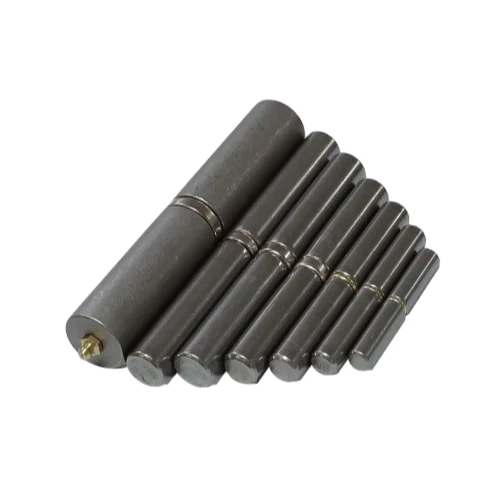
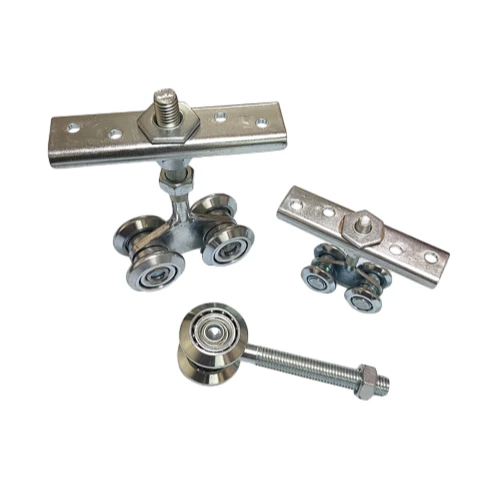
Simply put: screen door hinges are specialized mechanical joints that allow screen doors to pivot smoothly on their frame. Unlike traditional door hinges that might be bulkier or prone to rust, these hinges are usually made from corrosion-resistant metals or composites and designed to support lighter doors fitted with mesh screens. But it’s more than hardware — modern screen door hinges are engineered to meet specific ventilation needs while ensuring security. This combination is vital in modern industry, especially within building construction, prefabricated homes, and emergency shelters that need fast, reliable airflow control. In humanitarian contexts, such as refugee settlements, properly hinged screen doors help improve living conditions by keeping insects out and air flowing, reducing disease vectors. It might sound small but has substantial social impact.Key Factors in Choosing the Right Screen Door Hinges
1. Durability & Corrosion Resistance
A screen door hinge must resist rust — especially in coastal or tropical regions where moisture and salt attack metal relentlessly. Stainless steel or powder-coated steel options tend to last longer, reducing maintenance headaches.2. Smooth Operation & Noise Reduction
Quality hinges allow doors to swing open or close quietly, which improves user experience. Many engineers recommend ball-bearing hinges to avoid squeaks and sticking, critical in both residential and commercial spaces.3. Load Capacity & Size Compatibility
Since screen doors are often lighter, hinges optimized for smaller weights and thinner frames work best. Still, those in commercial or industrial arenas might require sturdier variants supporting heavier panels.4. Ease of Installation & Adjustability
Manufacturers focus on creating hinges that installers can set up quickly, even under field conditions with minimal tools. Adjustable hinges also allow for door alignment corrections after installation, which is a small but giant time-saver.5. Cost Efficiency & Availability
Especially in bulk installations—think affordable housing projects or large community developments—low-cost but reliable hinges can save thousands of dollars without compromising quality.Mini takeaway:
Understanding these factors doesn’t just help you pick a hinge; it guides decisions that affect durability, safety, and overall user satisfaction far beyond what you might expect.Where Do Screen Door Hinges Make a Real Difference?
The applications span quite widely but can be roughly broken down into these key sectors:- Residential Housing: Particularly in warm climates where screen doors protect interiors from insects but allow breezes.
- Humanitarian Aid & Disaster Relief: Field shelters often depend on quick-install screen doors for ventilation and health safety.
- Commercial Buildings: Offices, schools, and hospitals require break-resistant hinges for security and hygienic airflow.
- Industrial Zones: Warehouses and factories use specialized hinges compatible with metal mesh doors, balancing toughness and ventilation needs.
Product Specification Snapshot: Typical Screen Door Hinges
| Specification | Details |
|---|---|
| Material | Stainless Steel 304 / Powder Coated Steel |
| Finish | Matte, Glossy, or Satin |
| Load Capacity | Up to 15 kg / 33 lbs per pair |
| Size | 4" to 6" Length Options |
| Corrosion Test Standard | ISO 9227 (Salt Spray Test) |
| Installation | Self-Tapping Screws or Machine Screws |
Vendor Comparison: Popular Screen Door Hinges Suppliers
| Supplier | Material Options | Price Range (per pair) | Lead Time | Customization |
|---|---|---|---|---|
| Aobang Metal | Stainless Steel, Brass, Zinc Alloy | $3 – $7 | 7 - 14 days | Yes (color, size) |
| HingesCo | Powder Coated Steel, Aluminum | $2 – $5 | 10 - 20 days | Limited |
| Global Hinge Supply | Stainless Steel, Zinc | $4 – $8 | 5 - 12 days | Yes (material) |
Advantages and Long-Term Value of the Right Screen Door Hinges
Honestly, it feels like a small component, but the right hinge adds up in benefits:- Cost Savings: Durable hinges reduce replacements, maintenance, and labor costs.
- Sustainability: Corrosion-resistant materials mean less waste; lightweight hinges lower shipping footprints.
- User Safety & Comfort: Smooth operation and reliable locks protect from pests and intruders.
- Social Impact: In developing areas, dependable screen doors help reduce insect-borne diseases.
- Trustworthiness: Buildings equipped with quality hardware project professionalism and care.
What’s Next? Future Innovations in Screen Door Hinges
Looking ahead, we’re starting to see some neat advances: - Smart Hinges: Embedded sensors that detect door open/close status; useful for security systems and climate control. - Eco-Materials: Biodegradable or recycled metals and composites reduce environmental footprint. - 3D Printed Custom Hinges: Tailored designs that fit unique door frames or aesthetic demands on-demand. - Anti-Microbial Finishes: Especially relevant in medical and public facilities. These trends align with the broader shifts in green building and digital transformation — even traditional hardware isn’t immune to the tech wave.Common Challenges & How to Solve Them
One challenge is installation inconsistency — a poorly installed hinge can ruin a door’s performance overnight. Training installers and offering adjustable designs alleviate this. Another issue: corrosion under extreme climates. Innovative coatings and alloys are improving, but budget constraints can limit accessibility for low-income regions. For bulk projects, sourcing reliable hinges quickly can be tough. Partnering with trusted vendors like screen door hinges specialists ensures quality and timely delivery.FAQ: Your Questions About Screen Door Hinges Answered
- Q: How do I choose between stainless steel and powder-coated hinges?
- A: Stainless steel resists rust longer, ideal for humid or coastal environments. Powder-coated hinges are more budget-friendly and still offer decent corrosion protection for drier areas.
- Q: Can screen door hinges support heavy doors?
- A: Typically, screen door hinges are designed for lighter doors with mesh panels. For heavy doors, look into reinforced hinges or specialty designs rated for higher load capacity.
- Q: How often should I replace screen door hinges?
- A: With good quality hinges and proper installation, replacement intervals can stretch beyond 10 years. Check annually for rust or squeaks and lubricate to extend life.
- Q: Are customizable hinges worth it for bulk housing projects?
- A: Absolutely. Customization in color, size, or finish helps match regional style and installation needs, reducing adjustment onsite and improving aesthetics.
Wrapping It Up
Screen door hinges might not dominate headlines, but their role in global housing, health, and industry is quietly crucial. Durable, well-designed hinges enable airflow, protect homes, and support sustainable building initiatives worldwide. If you’re looking to learn more or source reliable screen door hinges, visit Aobang Metal for detailed specs, custom options, and trusted delivery. After all, details matter... and a great hinge can open more than just doors.References
Latest news
-
Heavy Duty Ramp Gate Hinges Guide for Industrial EquipmentNewsApr.16,2026
-
Guide to Selecting the Right Ramp Door Spring Hinge for TrailersNewsApr.09,2026
-
Comprehensive Guide to Livestock Trailer Gate Hinges for Durable PerformanceNewsApr.07,2026
-
Choosing the Right Heavy Duty Hinges for Ramps A Comprehensive GuideNewsApr.04,2026
-
Comprehensive Guide to Choosing the Right Enclosed Trailer Ramp Door Extension HingeNewsMar.31,2026
-
Comprehensive Guide to Bi Fold Trailer Gate Hinges for Optimal PerformanceNewsMar.28,2026
-
Comprehensive Guide to Durable Aluminum Trailer Ramp Hinges for Optimal PerformanceNewsMar.26,2026