




Offset Door Hinges: Unlocking Global Utility in Modern Building Solutions
Ever wondered why certain doors swing more smoothly or fit snugly in tough spaces? Often, it's down to a surprisingly simple yet clever piece of hardware: the offset door hinge. This unsung hero quietly ensures durability, security, and flexibility—whether in cramped apartment complexes or rugged industrial setups. Worldwide, as infrastructure grows complex and design demands rise, understanding offset door hinges unlocks smarter choices for builders, architects, and humanitarian agencies alike. So, what’s the fuss about these hinges, and why should global industries care? Let’s unpack this niche but impactful topic.
Introduction: Why Offset Door Hinges Matter Globally
Before we dive into nuts and bolts, consider the worldwide emphasis on building resilient, sustainable infrastructure. According to the International Organization for Standardization (ISO), efficient architectural hardware improves lifespan and reduces energy waste in buildings, contributing to UN’s Sustainable Development Goals. That’s a tall order for something as inexpensive and unsung as a hinge.
Offset door hinges address a concrete challenge: fitting doors into limited or complex frame spaces. Globally, from dense urban apartments in Asia to emergency shelters in disaster-prone zones, these hinges allow doors to sit out from the frame, improving clearance without compromising safety. In short, they’re a simple, cost-effective fix to an otherwise tricky spatial problem.
Definition & Meaning: What Are Offset Door Hinges?
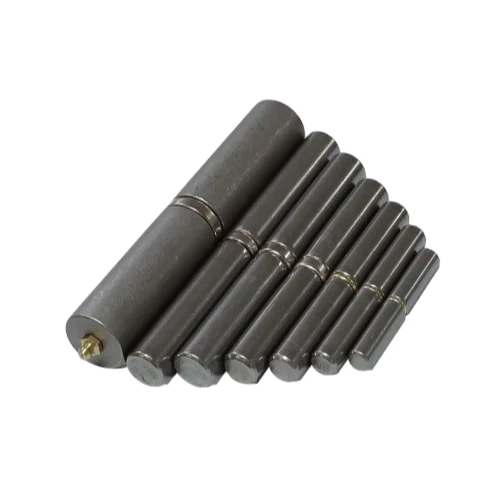
Simply put, an offset door hinge is a type of hinge designed to mount doors away from the frame’s primary vertical plane. Unlike traditional hinges that align doors flush with the frame, offset hinges “push” the door outward. This provides additional clearance for thicker doors, overlapping frames, or awkward edges.
In modern industry, this isn’t just about clever carpentry. Offset hinges have become vital wherever door function meets tight tolerances—think containerized housing units, hospital doors designed for wheelchair access, or even military-grade mobile barracks. The connection to humanitarian efforts is clear: fast, durable door installation in temporary shelters can mean the difference between safety and exposure in disaster areas.
Key Factors Behind Offset Door Hinges’ Popularity
Durability in Stressful Environments
Many engineers say offset hinges need to withstand repeated cycles — swinging open and closed thousands of times without failure. Materials like stainless steel or brass alloys are common, resisting rust in humid or coastal areas.
Space Efficiency & Accessibility
Offset hinges solve the problem of doors that need to clear switches, walls, or trim. They allow for wider clearances, helping meet ADA requirements, which is crucial for public buildings or medical facilities.
Cost Effectiveness & Installation Ease
Compared to elaborate door frame rework, offset hinges let installers achieve precise fit without heavy carpentry or welding, reducing labor time and cost.
Flexibility & Scalability
From small cabinets to large metal fire doors, offset hinges come in various sizes and load ratings, making them adaptable across contexts.
Customization Potential
Manufacturers often offer offset hinges with different finishes, pin types (loose or fixed), and opening angles, so architects and engineers can tailor them to exact needs.
Mini Takeaway:
Offset door hinges offer an elegant blend of durability, spatial efficiency, and cost-saving benefits — a trifecta attractive to industries worldwide.
Global Applications: Where And Why Offset Door Hinges Shine
In real terms, their adoption ranges from high-rise buildings in Europe to humanitarian relief centers in Africa. Here are some illustrative examples:
- Post-disaster shelters: NGOs use offset hinges to quickly install doors in modular shelters, cutting setup time significantly.
- Industrial zones: Manufacturing plants with heavy machinery require high-clearance doors for safety — offset hinges make that possible.
- Urban architecture: In older cities where renovations need to preserve wall thickness, offset hinges help retrofit doors without major reconstruction.
- Transport & containers: Offset hinges are essential on shipping containers, allowing for door frames to accommodate locking mechanisms and weather seals.
This versatility shows why global demand for quality offset hinges is quietly rising, feeding into larger supply chains and design innovations.
Advantages & Long-Term Value of Using Offset Door Hinges
The benefits extend beyond simple form and function. A quality offset hinge:
- Enhances safety: Preventing door collisions with walls or furniture reduces injuries.
- Improves accessibility: Meeting ergonomic standards aids inclusivity.
- Boosts sustainability: Longer-lasting hinges mean less frequent replacements, reducing material waste.
- Supports innovation: Architects gain freedom to create uniquely shaped doors or frames without compromise.
- Builds trust: End users and communities feel secure using well-functioning entry points, particularly in shelters or hospitals.
It’s funny how much you overlook these tiny elements of design until you find one that just works — and stays working, year after year.
Future Trends & Innovations in Offset Door Hinges
Looking ahead, technology is pushing these hinges beyond basic mechanical hardware:
- Smart materials: Self-lubricating and corrosion-resistant alloys to extend lifespan with less maintenance.
- Automation: Integration with sensors for controlled door opening in high-security or healthcare settings.
- Eco-friendly coatings: Reducing harmful chemicals while retaining wear resistance.
- Customization via 3D printing: For rapid prototyping and unique architectural demands.
Interestingly, the somewhat humble hinge is becoming an intersection of craftsmanship and emerging tech — who would have thought?
Challenges & Practical Solutions
Despite their utility, offset door hinges can pose challenges:
- Alignment issues: Offset installation requires precise measurements to avoid door sag or misfit.
- Load capacity concerns: Heavier doors sometimes demand reinforced hinges or supplementary hardware.
- Corrosion risk: In salty or humid environments, choosing proper materials is critical.
Experts often recommend thorough site evaluation and quality testing protocols before hinge selection. Regular maintenance and early adjustments make a big difference. Plus, partnering with trusted vendors can ease these headaches.
Product Specification Table
| Feature | Specification | Typical Use |
|---|---|---|
| Material | 304 Stainless Steel / Brass Alloy | Outdoor / Corrosive environments |
| Offset Distance | 10mm - 25mm | Allows clearance over frames/walls |
| Weight Capacity | Up to 100kg per hinge | Heavy doors, fire-rated doors |
| Opening Angle | 90° - 180° | Wide accessibility and clearance |
| Pin Type | Loose Pin / Fixed Pin | Maintenance flexibility |
| Finish Options | Polished, Satin, Powder Coating | Aesthetics & corrosion resistance |
Vendor Comparison Table
| Vendor | Material Quality | Customization Options | Lead Time | Price Range |
|---|---|---|---|---|
| Aobang Metal | High-grade 304 SS | Extensive | 2-3 weeks | Moderate |
| GlobalHinge Co. | Stainless Steel / Brass | Limited | 4-5 weeks | Higher |
| QuickFit Hinges | Standard Steel | Basic | 1-2 weeks | Low |
Frequently Asked Questions About Offset Door Hinges
- Q: What’s the main benefit of offset door hinges versus standard hinges?
- A: Offset hinges provide extra clearance by setting the door away from the frame. This is perfect for thick doors, overlapping trims, or when you need to avoid wall damage. Standard hinges don’t offer this spatial advantage, limiting design flexibility.
- Q: Can offset door hinges support heavy, fire-rated doors safely?
- A: Absolutely. Many offset hinges are rated for up to 100kg or more per hinge, often used in commercial and fire safety applications. It’s important to choose the right material and gauge to match your door’s weight.
- Q: Are offset door hinges suitable for outdoor or coastal environments?
- A: Yes, but material matters hugely. Stainless steel or brass-alloy hinges resist corrosion far better than plain steel. Proper finishes and maintenance schedules also extend hinge life in high humidity or salt-air zones.
- Q: How can organizations quickly install offset hinges in temporary housing or disaster relief contexts?
- In those situations, offset hinges simplify door mounting by avoiding complex carpentry. Fast installation kits and pre-engineered designs let teams deploy safe, accessible doors rapidly, critical for humanitarian relief.
- Q: Where can I learn more or purchase quality offset door hinges?
- Reliable suppliers like Aobang Metal specialize in offset door hinges designed for varied industrial and humanitarian needs. Exploring their product range is a solid first step.
Conclusion & Next Steps
Offset door hinges might seem like a small bit of hardware, but their impact is huge. They solve real-world problems from cramped urban apartments to emergency shelters, contributing to safer, more accessible, and longer-lasting door solutions globally. If you’re planning your next build, retrofit, or modular housing project, considering an offset hinge could save you time and headache while delivering lasting value.
Want to explore top-quality offset door hinges? Visit https://www.aobangmetal.com to browse products and find expert guidance tailored to your project’s needs.
References

-
Heavy Duty Ramp Gate Hinges Guide for Industrial EquipmentNewsApr.16,2026
-
Guide to Selecting the Right Ramp Door Spring Hinge for TrailersNewsApr.09,2026
-
Comprehensive Guide to Livestock Trailer Gate Hinges for Durable PerformanceNewsApr.07,2026
-
Choosing the Right Heavy Duty Hinges for Ramps A Comprehensive GuideNewsApr.04,2026
-
Comprehensive Guide to Choosing the Right Enclosed Trailer Ramp Door Extension HingeNewsMar.31,2026
-
Comprehensive Guide to Bi Fold Trailer Gate Hinges for Optimal PerformanceNewsMar.28,2026
-
Comprehensive Guide to Durable Aluminum Trailer Ramp Hinges for Optimal PerformanceNewsMar.26,2026