




The Subtle Art of Offset Hinges: Why They Matter More Than You Think
Offset hinges may not be the flashiest component in building design or industrial hardware, but their global importance is quietly impressive. Used to attach doors, gates, or panels where the pivot point needs to be away from the frame edge, these hinges find relevance across countless sectors. From improving accessibility to increasing durability, understanding offset hinges unlocks benefits that ripple through construction, manufacturing, and logistics worldwide.
Setting the Stage: Why Offset Hinges Matter Globally
Globally, infrastructure development hums along as a major driver of economic growth. According to the World Bank, public construction spending is projected to reach trillions of dollars over the next decade. Behind every well-functioning public transit door, secure gate, or heavy industrial panel lies a hinge that can handle repetitive use in harsh conditions—sometimes an offset hinge. The challenge? Doors must operate flawlessly while coping with larger clearances or specific design constraints.
Offset hinges address these problems by providing an adjustable pivot point that opens doors around obstacles or thicker walls. This means safer access, reduced maintenance, and longer lifespans in everything from shipping containers to remote industrial plants.
Mini takeaway: As infrastructure becomes more complex worldwide, offset hinges play a quiet but critical role in ensuring functionality and safety.
What Exactly Are Offset Hinges?
Put simply, offset hinges separate the pivot point of the door from the frame by a fixed lateral distance. Rather than the door swinging on a hinge placed directly on the edge of a door frame, offset hinges allow the door to swing clear of the frame or obstruction. This is particularly useful when thicker walls or overlapping door designs are involved.
In humanitarian contexts too — like modular shelters or transport containers — offset hinges enable designs that provide better weather-sealing and quicker deployment without jeopardizing stability. They combine mechanical ingenuity with real-world adaptability.
Core Components and What Makes Offset Hinges Tick
Durability and Material Choices
These hinges aren’t just about neat pivot points. Many engineers specifically choose corrosion-resistant materials like stainless steel or galvanized steel to survive coastal climates, industrial pollutants, or desert dryness. I’ve often noticed how well a good offset hinge holds up after years of abuse — that’s no coincidence but smart metallurgy and engineering.
Adjustability and Fit
Offset hinges allow precise door alignment. This is essential in large industrial gates or complex container doors where a millimeter out of place means a jam or seal failure. Adjustability makes installation less of a nightmare and maintenance easier down the line.
Load Capacity and Size Variants
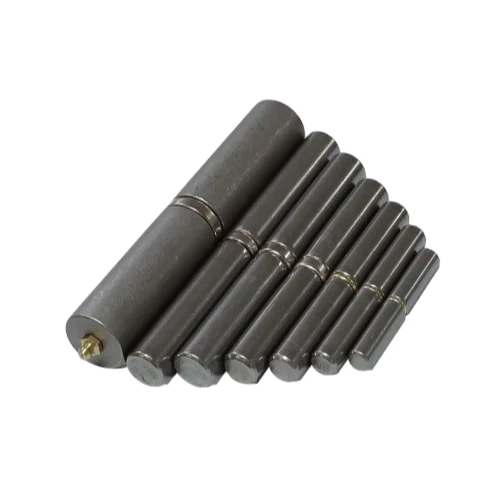
From tiny cabinet applications to massive cargo doors, offset hinges come in a variety of weight ratings and sizes. The bigger the load, the more robust the hinge construction must be. Industrial-grade offset hinges often have reinforced knuckles and pins designed to endure thousands of cycles.
Aesthetic and Functional Designs
Offset hinges can be hidden, semi-concealed, or fully visible, depending on design specifications. Oddly enough, in architectural contexts, the choice is often a mix of function and style — architects might pick a brushed finish hinge that complements modern minimalist doors, for example.
Cost Efficiency in Long-Term Use
While offset hinges can be pricier upfront than simple butt hinges, their lifespan and low maintenance often translate into reduced total cost of ownership. Less downtime, fewer repairs, and less energy spent on replacement hinges add up.
Real-World Applications: Where Offset Hinges Are Changing the Game
Offset hinges appear everywhere—but here are a few where their specific advantages become clear:
- Shipping and Storage Containers: Allowing the container door to open wide with thick protective seals.
- Emergency Relief Shelters: Fast-deploy cabins often use offset hinges for quick assembly and durability.
- Industrial Facilities: Heavy gate doors in factories and warehouses demand offset hinges for large load capacity.
- Public Transit Systems: Train doors often rely on offset hinges to clear the frame and accommodate insulation layers.
- Residential and Commercial Buildings: In spaces where wall thickness or design prevents traditional hinge use.
Regions like Southeast Asia and the Middle East, where modular construction is growing rapidly, particularly benefit from these designs. Even NGOs distributing quick housing solutions mention offset hinges for their reliability during transport and setup.
Mini takeaway:
Offset hinges are everywhere, quietly ensuring the smooth operation of doors and panels across global industries and humanitarian projects alike.
The Advantages and Enduring Value of Offset Hinges
Offset hinges bring a toolbox of tangible benefits to the table:
- Increased Safety: Doors open fully and predictably, reducing pinch points and mishaps.
- Better Sealing: Offset pivots accommodate thicker insulation or weather-stripping.
- Extended Equipment Life: Engineered durability cuts downtime and replacement costs.
- Design Flexibility: Architects and engineers can use them in spaces traditional hinges can’t serve.
On the emotional side, a reliable hinge—often overlooked—means peace of mind. In critical infrastructure, it feels reassuring that a door won’t fail in the cold, the rain, or the dust storm.
Product Specification Table
| Specification | Value |
|---|---|
| Material | 304 Stainless Steel / Galvanized Steel |
| Offset Distance | 12 mm - 50 mm adjustable |
| Load Capacity | Up to 150 kg per hinge |
| Finish | Brushed / Polished / Powder Coated |
| Operating Temperature | -40°C to +100°C |
| Typical Applications | Industrial doors, containers, modular buildings |
Vendor Comparison: Choosing the Right Offset Hinge Partner
| Vendor | Material Quality | Customization Options | Lead Time | Pricing |
|---|---|---|---|---|
| Aobang Metal | High-grade galvanized & stainless steel | Full range: offset size, finish, load rating | 2-3 weeks | Mid-range, volume discounts available |
| Vendor B | Standard steel, rust-resistant coating | Limited size options | 4-6 weeks | Lower cost |
| Vendor C | Premium stainless steel only | Custom offsets, finishes, and load ratings | 6-8 weeks | Premium pricing |
Looking Ahead: Trends and Innovations in Offset Hinges
As sustainability takes root in manufacturing, offset hinge producers incorporate recycled metals and eco-friendly powder coatings. One trend I’ve noticed lately is “smart hinges”—integrated sensors monitor wear and movement for predictive maintenance, which is quite handy in industrial settings.
Automation in assembly lines means hinges designed for robotic installation, reducing human error and speeding up construction cycles. Digitally-modelled components, including offset hinges, are also optimized via simulation software, cutting prototyping time drastically.
Challenges & Practical Solutions
Offset hinges can sometimes be tricky to align perfectly on-site, especially for large doors. Poor installation can cause uneven wear and failure. To counter this, leading manufacturers provide detailed alignment guides and adjustable features that allow installers to fine-tune the positioning — saving a lot of headaches later.
Cost can be another consideration. While they often pay for themselves over time, upfront pricing may deter smaller projects. Here, modular designs and volume purchasing from vendors like offset hinges specialists help soften the blow.
FAQ: Frequently Asked Questions About Offset Hinges
- What is the main advantage of offset hinges over traditional hinges?
- Offset hinges allow doors to swing clear of thicker frames or obstructions, enabling better sealing, increased access space, and more design flexibility. This is essential in applications with unusually thick walls or overlapping door designs.
- How durable are offset hinges in corrosive environments?
- Offset hinges made from 304 stainless or galvanized steel typically withstand harsh environments well, including coastal or industrial sites. Their corrosion resistance ensures long-term functionality with minimal maintenance.
- Can offset hinges be customized for different applications?
- Absolutely. Vendors often offer options for offset distance, load ratings, sizes, and finishes to fit a wide variety of doors—from lightweight cabinets to industrial gates.
- Are offset hinges difficult to install?
- Installation requires more precision than basic butt hinges due to their offset design, but adjustable models and clear manufacturer instructions make the process manageable, even for field teams.
Conclusion + Call to Action
Offset hinges may be humble, but their long-term benefits in safety, durability, and design flexibility are undeniable. When planning projects—from industrial plants to emergency shelters—consider how the right offset hinge can simplify your build and boost reliability.
Looking for trusted, high-quality offset hinges? Visit our website: https://www.aobangmetal.com and explore a range of customizable solutions.
References

-
Heavy Duty Ramp Gate Hinges Guide for Industrial EquipmentNewsApr.16,2026
-
Guide to Selecting the Right Ramp Door Spring Hinge for TrailersNewsApr.09,2026
-
Comprehensive Guide to Livestock Trailer Gate Hinges for Durable PerformanceNewsApr.07,2026
-
Choosing the Right Heavy Duty Hinges for Ramps A Comprehensive GuideNewsApr.04,2026
-
Comprehensive Guide to Choosing the Right Enclosed Trailer Ramp Door Extension HingeNewsMar.31,2026
-
Comprehensive Guide to Bi Fold Trailer Gate Hinges for Optimal PerformanceNewsMar.28,2026
-
Comprehensive Guide to Durable Aluminum Trailer Ramp Hinges for Optimal PerformanceNewsMar.26,2026