In the complex world of industrial machinery and hardware engineering, the wire pulley stands as a fundamental component that enables the efficient transfer of force and the redirection of tension. From massive construction cranes to precision-engineered automated assembly lines, these components are essential for converting rotational motion into linear movement, ensuring that heavy loads can be lifted or moved with minimal effort and maximum precision.
Understanding the nuances of a high-quality wire pulley is not merely a technical requirement but a strategic advantage for manufacturers. As global industries shift toward higher safety standards and increased automation, the demand for pulleys that can withstand extreme tension, resist corrosion, and minimize cable wear has skyrocketed. A failure in this single component can lead to catastrophic system downtime or serious safety hazards, making material selection and precision machining paramount.
This guide explores the comprehensive ecosystem of the wire pulley, from its core engineering principles to its diverse global applications. Whether you are integrating these components into a new architectural project or optimizing an existing industrial conveyor system, understanding the balance between durability, load capacity, and friction reduction is the key to long-term operational success.
Global Industrial Relevance of Wire Pulley
Across the globe, the reliance on mechanical advantage is what allows modern infrastructure to exist. The wire pulley is a critical nexus in this effort, appearing in everything from maritime shipping ports to high-rise elevators. According to ISO standards for lifting equipment, the integrity of the sheave—the wheel part of the pulley—is the primary determinant of the safety factor for any cable-driven system.
In emerging economies, the rapid expansion of urban infrastructure has led to an unprecedented increase in the installation of hoist systems and cableways. This growth brings a significant challenge: the struggle to maintain equipment in harsh environmental conditions. Without a high-grade wire pulley, cables fray prematurely, leading to increased maintenance costs and potential industrial accidents.
Defining the Mechanics of Wire Pulley
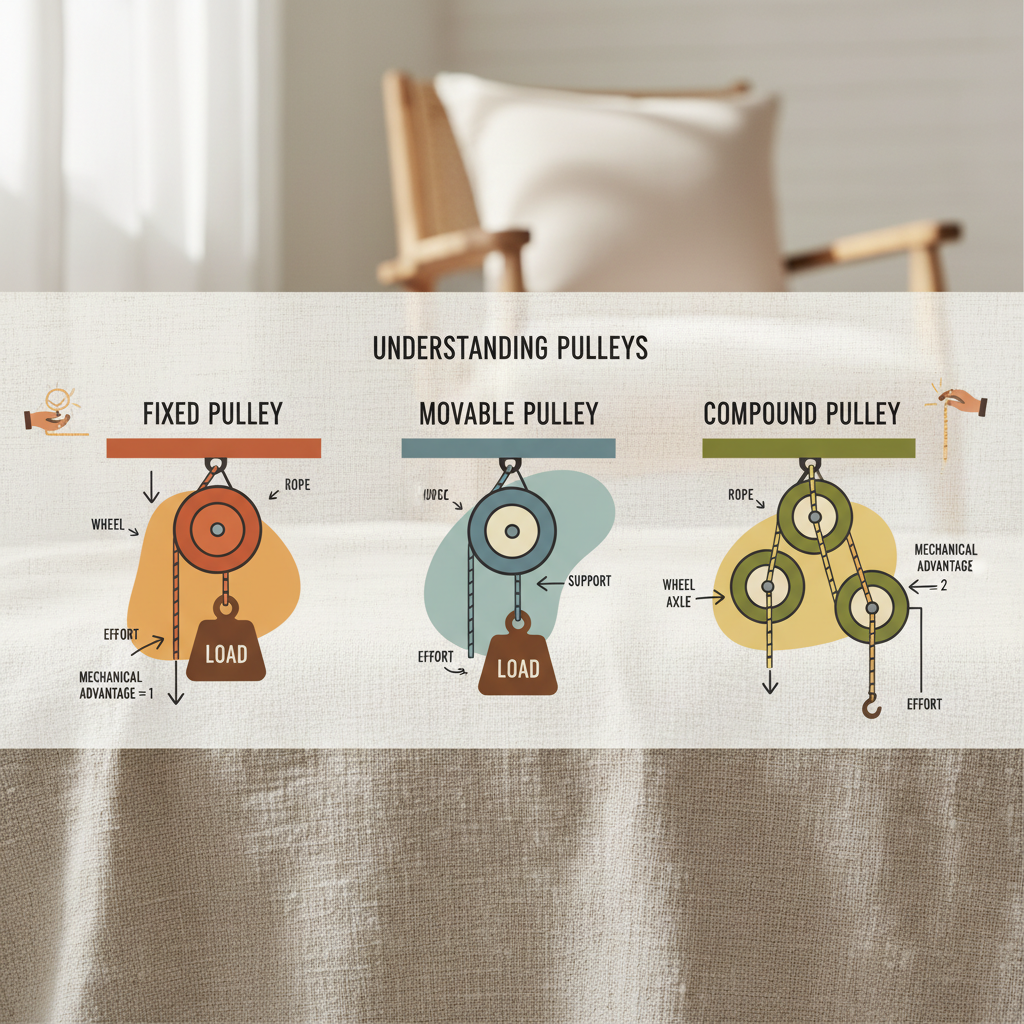
At its simplest level, a wire pulley is a wheel with a grooved rim, designed to support and guide a wire rope or cable. Unlike a flat pulley used for belts, the groove of a wire pulley is precision-engineered to match the diameter of the specific wire rope it carries. This ensures that the rope remains centered, reducing lateral friction and preventing the cable from "jumping" the track during high-tension operations.
Beyond the basic geometry, the connection to modern industry lies in the physics of mechanical advantage. By arranging multiple pulleys in a block and tackle system, industries can lift loads that would be impossible for a single winch. This principle is the backbone of logistics, enabling the movement of shipping containers and the installation of heavy machinery in remote industrial zones.
From a humanitarian perspective, these devices are equally vital. In post-disaster relief operations, lightweight but high-strength wire pulley systems are used to clear debris and deliver food and medical supplies to areas where roads have been destroyed. The ability to move weight efficiently using basic physics is a cornerstone of global resilience.
Core Engineering Factors for Durability
When evaluating the quality of a wire pulley, material composition is the first point of analysis. High-carbon steel, stainless steel, and specialized polymers are chosen based on the environment. For instance, in maritime settings, 316-grade stainless steel is non-negotiable to prevent salt-spray corrosion from compromising the pulley's structural integrity.
The precision of the groove profile is the second critical factor. If the groove is too tight, it compresses the wire rope, causing internal fatigue; if it is too loose, the rope slides and wears unevenly. A perfectly machined wire pulley ensures a balanced distribution of pressure, which can extend the lifespan of the cable by up to 40%.
Finally, the bearing system determines the pulley's efficiency. Sealed ball bearings reduce the rotational friction, which in turn reduces the energy required to move a load. This efficiency is not just about cost—it's about heat management. Lower friction means less heat generation, which prevents the lubrication from breaking down during continuous 24/7 industrial operations.
Global Applications and Use Cases
The versatility of the wire pulley allows it to be deployed in wildly different sectors. In the mining industry of Australia or Canada, heavy-duty pulleys are used in conveyor systems to transport tons of ore across rugged terrain. Here, the pulleys must resist abrasive dust and extreme temperature fluctuations while maintaining a grip on the steel cables.
In the architectural realm, we see these components in the "invisible" machinery of modern skyscrapers. From the high-speed elevators in Dubai to the automated window-cleaning rigs in New York, the wire pulley ensures a smooth, vibration-free transition. The focus here is on precision and noise reduction to ensure a premium user experience.
Comparative Performance of Wire Pulley Material Types
Tangible Advantages and Long-Term Value
Investing in high-specification wire pulleys provides a direct return on investment through reduced downtime. When a pulley is engineered for low friction and high wear resistance, the frequency of cable replacements drops significantly. This not only saves on the cost of materials but also prevents the loss of productivity associated with system shutdowns.
Beyond the numbers, there is the element of trust and safety. A reliable wire pulley provides peace of mind to the operators. Knowing that the hardware is rated for the load and crafted from certified materials allows workers to operate with confidence, fostering a culture of safety and innovation within the workplace.
Future Trends in Pulley Innovation
The future of wire pulley technology is leaning heavily toward "smart" components. We are seeing the integration of embedded sensors within the pulley hub that can monitor vibration and heat in real-time. This shift toward predictive maintenance allows companies to replace a pulley just before it fails, rather than reacting to a breakdown.
Material science is also evolving. The introduction of advanced ceramic coatings and self-lubricating composites is reducing the need for manual greasing. This is particularly beneficial in "clean-room" environments, such as pharmaceutical manufacturing or semiconductor fabrication, where traditional lubricants would contaminate the product.
Furthermore, the drive toward green energy is influencing pulley design. Wind turbine maintenance requires specialized pulleys that can operate at extreme heights and withstand violent wind shear. The focus is now on lightweighting—using aerospace-grade alloys to reduce the dead weight of the lifting system without sacrificing load capacity.
Overcoming Common Operational Challenges
One of the most common challenges in wire pulley operation is "cable jump" or misalignment. This usually happens due to improper tensioning or the wear of the groove. The solution lies in implementing precise alignment tools during installation and choosing pulleys with deeper, more accurate grooves that accommodate the specific twist of the cable.
Corrosion remains a persistent enemy, especially in humid or chemical-heavy environments. While stainless steel is a great option, some industries are turning to advanced galvanization or epoxy powder coatings. These provide an extra layer of defense, ensuring that the pulley remains smooth and the bearing remains sealed.
Another limitation is the noise pollution generated by metal-on-metal contact in urban settings. Engineers are solving this by utilizing hybrid designs—metal cores for strength with polyurethane linings for noise dampening. This approach maintains the industrial strength of the wire pulley while making it suitable for residential or office environments.
Comparative Analysis of Wire Pulley Maintenance and Performance
| Pulley Material |
Wear Resistance |
Maintenance Interval |
Load Capacity |
| Cast Steel |
High |
6 Months |
Very High |
| 316 Stainless |
Excellent |
12 Months |
High |
| Nylon Composite |
Medium |
3 Months |
Low |
| Hardened Alloy |
Superior |
18 Months |
Extreme |
| Galvanized Iron |
Medium |
6 Months |
Medium |
| Ceramic Coated |
Extreme |
24 Months |
High |
FAQS
The groove size must be matched precisely to the nominal diameter of your wire rope. A rule of thumb is that the groove should be approximately 5-10% larger than the rope diameter to allow for slight variations and lubrication, but not so large that the rope loses its centering. Always refer to the rope manufacturer's technical sheet for the exact "sheave diameter to rope diameter" ratio to prevent premature cable fatigue.
Key warning signs include visible wear or "rutting" in the groove, unusual squealing noises during rotation (indicating bearing failure), and uneven wear on the wire rope itself. If the rope begins to fray specifically at the point of contact with the pulley, it is a clear sign that the pulley surface has become abrasive or the groove is misaligned and requires immediate attention.
Generally, no. Nylon and polymer pulleys are excellent for lightweight applications, low-tension guide systems, or environments where noise reduction and corrosion resistance are more important than strength. For heavy industrial lifting, steel or alloy pulleys are mandatory to handle the compressive forces and prevent the groove from collapsing under the weight of the load.
Lubrication frequency depends on the environment and usage. In clean, indoor settings, every 6-12 months may suffice. However, in dusty mining sites or salty coastal areas, monthly checks and lubrication are recommended. If you are using sealed-for-life bearings, lubrication isn't necessary, but you should monitor for heat buildup as a sign of internal wear.
Yes, significantly. Harder materials like alloy steel provide great durability for the pulley but can cause faster rope wear if the surface finish is rough. Conversely, softer materials may wear down the pulley itself. The goal is a "balanced hardness" where the pulley is hard enough to maintain its shape but smooth enough to glide over the rope without creating friction-induced heat.
Absolutely. Retrofitting often involves replacing old cast-iron wheels with precision-machined alloy versions and upgrading to sealed ball bearings. This process can significantly increase the efficiency and safety of an older facility without requiring a complete overhaul of the cable network, providing a cost-effective way to modernize industrial infrastructure.
Conclusion
The wire pulley may seem like a simple mechanical component, but it is the unsung hero of industrial efficiency and safety. By balancing the critical factors of material science, groove precision, and bearing efficiency, businesses can drastically reduce their operational costs and ensure a safer environment for their workforce. From the depths of a mine to the heights of a skyscraper, the quality of this single component dictates the reliability of the entire system.
As we look toward a future of smart manufacturing and sustainable infrastructure, the evolution of the wire pulley—through sensor integration and advanced composites—will continue to play a pivotal role. We encourage engineers and procurement managers to prioritize quality over short-term cost, as the long-term value of a precision-engineered pulley far outweighs the initial investment. For high-performance hardware solutions, visit our website: www.aobangmetal.com.