




Hinge Mate: The Unsung Hero of Industrial Equipment
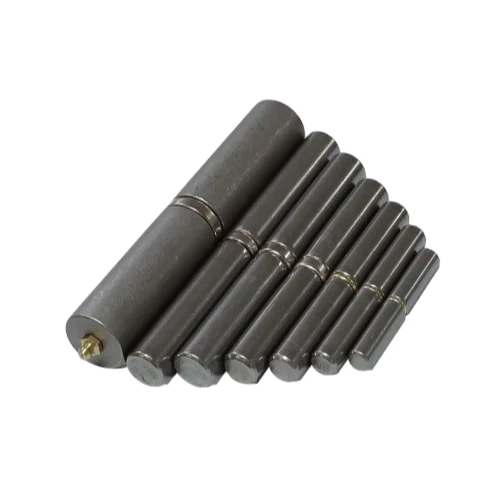
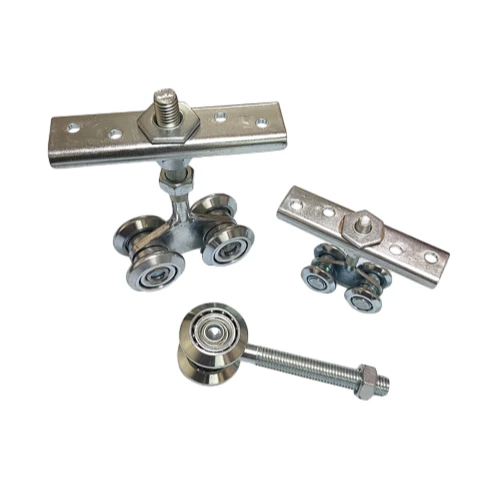
If you’ve ever worked around industrial or heavy-duty machinery, you’ll know hinges aren’t just those little metal bits you take for granted. The hinge mate concept has quietly evolved into something quite impressive — bringing together precision, strength, and adaptability in ways that frankly surprised me after years in the trade.
Now, I’ve seen everything from simple door hinges to complex pivoting assemblies, but hinge mates? They’re kind of the next step, almost like the hinges gained a personality of their own, designed to solve specific challenges around alignment, load-bearing, and modular integration. What’s fascinating is how the design emphasis has shifted over time — it’s all about materials engineered for durability, and components optimized for quick, precise installation.
In real terms, these hinge mates can take ferrous metals, stainless steels, even special alloys, which isn’t just about strength. Corrosion resistance, weight considerations, and wear tolerance are all factored in — especially in outdoor or harsh industrial environments. I once worked on a project where a hinge mate was the difference between a maintenance nightmare and a smooth-running mechanical system for a client in the automotive sector. They don’t always make the headlines but trust me, they earn their keep.
Product Specifications at a Glance
| Specification | Typical Value | Notes |
|---|---|---|
| Material | Stainless Steel 304 / 316 | Corrosion-resistant grades |
| Load Capacity | Up to 500 kg per hinge | Depends on mounting and configuration |
| Temperature Range | -40°C to 150°C | Suitable for outdoor & industrial uses |
| Finish | Powder Coated / Polished | Custom finishes available |
| Mounting | Bolt-on / Weld-on options | Versatile installation modes |
Oddly enough, many engineers in the field talk about hinge mates as part of a bigger movement toward modular design. It’s like they’re not just hinges; they’re smart components helping systems stay adaptable. In my experience, that modularity can make retrofits or maintenance schedules far less painful — which is a breath of fresh air when time is money.
Vendor Comparison: What to Look For
| Feature | Vendor A | Vendor B | Vendor C |
|---|---|---|---|
| Material Options | SS304, SS316 | SS304, Carbon Steel | SS316, Aluminum |
| Custom Finishes | Yes | Limited | Yes |
| Lead Time | 2-3 Weeks | 4-6 Weeks | 3-4 Weeks |
| Load Capacity | Up to 500 kg | Up to 400 kg | Up to 450 kg |
| Warranty | 5 Years | 3 Years | 5 Years |
Frankly, choosing the right vendor usually comes down to a balance between lead time and customization options. When I worked with clients specifying hinge mate units, lead time was often a driver, but so were the specific finish requirements — especially in corrosive environments or where the aesthetic mattered.
One customer I recall was an OEM in the Food Processing sector. They needed corrosion-resistant, easy-to-clean hinges with quick replaceability. We worked closely with suppliers to edge out the best options in stainless steel with polished finishes. It was reassuring to see how those hinge mates hold up even after hundreds of cleaning cycles. That’s the kind of reliability we all appreciate.
In closing, hinge mates may never be the flashy part of industrial gear, but they carry weight — often literally. Their evolution reflects the kind of practical innovation that pervades our industry, quietly making systems more resilient and maintainable. If you’re specifying components for heavy-duty or modular builds, it’s worth a look.
Hope that little dive into hinge mates helps you see these components a bit differently next time you’re specifying or maintaining equipment. They’re kind of like the dependable team member who never complains but keeps everything turning smoothly.
Stay curious, and always test your hinges under real conditions!
References:
1. Industrial Hinge Design Trends, Machinery Insights Journal, 2022
2. Corrosion Resistance of Stainless Steel Hinges, Metals Tech Review, 2021
3. Modular Industrial Component Case Studies, Engineering Today, 2023

-
Heavy Duty Ramp Gate Hinges Guide for Industrial EquipmentNewsApr.16,2026
-
Guide to Selecting the Right Ramp Door Spring Hinge for TrailersNewsApr.09,2026
-
Comprehensive Guide to Livestock Trailer Gate Hinges for Durable PerformanceNewsApr.07,2026
-
Choosing the Right Heavy Duty Hinges for Ramps A Comprehensive GuideNewsApr.04,2026
-
Comprehensive Guide to Choosing the Right Enclosed Trailer Ramp Door Extension HingeNewsMar.31,2026
-
Comprehensive Guide to Bi Fold Trailer Gate Hinges for Optimal PerformanceNewsMar.28,2026
-
Comprehensive Guide to Durable Aluminum Trailer Ramp Hinges for Optimal PerformanceNewsMar.26,2026