

Nigeria's industrial sector is currently experiencing a shift toward localized production and infrastructure upgrades. The demand for reliable metal components is driven by the growth of small-to-medium enterprises (SMEs) in the manufacturing space, requiring components that can withstand high usage cycles and humid coastal conditions typical of regions like Lagos.
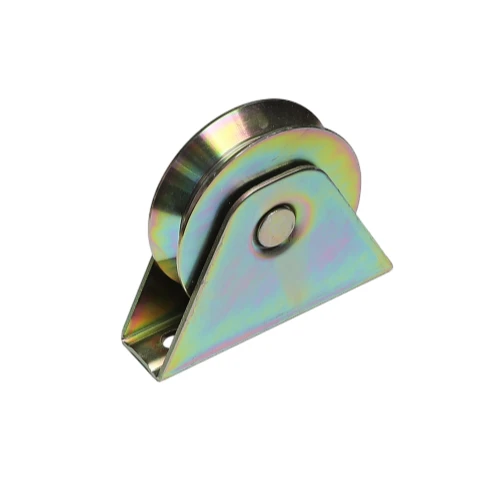
A primary challenge faced by local operators is the inconsistency of hardware quality, where substandard materials lead to frequent downtime. There is a growing necessity for precision-engineered tools, such as a double pulley system, to improve the efficiency of material handling in warehouses and construction sites.
Customers in the Nigerian market are increasingly prioritizing longevity and international quality standards. They require solutions that balance competitive procurement costs with the technical specifications necessary for heavy-duty industrial applications, particularly in the construction and automotive repair sectors.