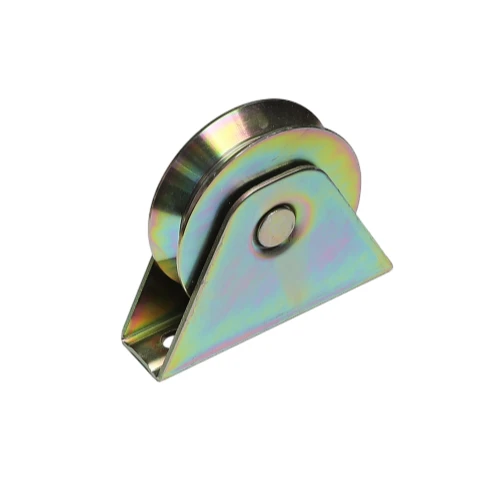




The industrial landscape in Iraq is currently defined by an aggressive push toward rebuilding urban infrastructure and reviving domestic manufacturing. In this environment, the reliability of basic transmission hardware is critical. Many local facilities rely on a double pulley system to handle varying load distributions in construction machinery, ensuring that material transport remains consistent despite the challenging sandy and arid climates typical of the region.
From a technical perspective, there is a growing shift toward specialized components. For instance, the adoption of the round belt pulley has increased in small-to-medium enterprises focusing on light machinery, as these offer better flexibility and vibration dampening. The local market is moving away from generic imports toward components that meet international export standards, reflecting a broader trend of professionalizing the regional supply chain for hardware and building materials.
Furthermore, the integration of high-load capacities is essential for Iraqi logistics hubs. The use of a robust wire pulley is common in heavy-lifting applications and crane systems used in oil and gas infrastructure. As Iraqi companies seek to reduce downtime, the focus has shifted toward OEM and ODM solutions that allow for customized specifications, ensuring that hardware can withstand the specific thermal expansion and wear rates found in Middle Eastern industrial zones.