





Regional Analysis
Uganda's Industrial Hardware Market
Analyzing the intersection of urban development and mechanical component demand in East Africa.
Uganda is experiencing a steady increase in small-to-medium manufacturing enterprises, particularly around Kampala and Jinja. This growth has spurred a critical need for reliable mechanical transmission components. The local market is characterized by a transition from rudimentary manual tools to semi-automated machinery. Consequently, there is a rising demand for standardized hardware like the double pulley and various belt systems that can support light industrial production without requiring constant specialized maintenance.
Current market trends indicate a shift toward higher-specification imports as local operators recognize the correlation between component precision and operational efficiency. Technical drivers include the adoption of more efficient belt-drive systems and a preference for hardware that meets international certifications such as ASTM and EN71. Business owners are increasingly seeking ODM partners who can tailor products to specific machinery requirements, moving away from "one-size-fits-all" components that often lead to mechanical inefficiency and increased energy consumption.
Despite the opportunities, constraints remain in the form of logistical bottlenecks and a lack of localized technical support for specialized installations. However, the outlook remains positive as infrastructure projects expand. There is a significant opportunity for suppliers who can provide a combination of high-quality manufacturing and seamless export logistics. The ability to offer custom-engineered solutions that address the specific environmental challenges of the region will be the primary competitive advantage for hardware providers in the coming years.
Industry Journey
The Evolution of Transmission Hardware
Tracing the shift from basic pulleys to high-precision industrial systems.
Early Adoption
Basic Mechanical Utility
Reliance on generic cast iron pulleys with wide tolerances, resulting in high energy loss and frequent belt replacements in simple lifting tasks.
Recent Development
Standardization Phase
Introduction of precision-machined steel components and standardized sizes, allowing for better interoperability between different machinery brands.
Current Phase
Advanced Optimization
Shift toward custom-engineered alloy pulleys with anti-corrosive coatings, designed specifically for high-load, high-dust industrial environments.
Material Science Integration
The industry has moved from simple iron to complex alloys that balance weight and strength, ensuring that pulleys can handle higher torque without deformation.
Precision Groove Engineering
Modern pulleys now utilize computer-controlled machining to create exact profiles for various belt types, drastically reducing slippage and increasing power output.
Global Compliance Shift
There is a growing requirement for hardware to meet BSCI and ASTM standards, ensuring both ethical production and technical reliability for international trade.
Future Outlook
Next-Generation Hardware Trends
Identifying the technological shifts redefining mechanical transmission and pulley manufacturing.
Hybrid Material Synthesis
Combining metal cores with high-performance polymer linings to reduce noise and vibration while maintaining structural rigidity under heavy loads.
Smart Wear Monitoring
Integrating sensor-ready mounting points into pulley designs, allowing operators to monitor vibration and wear in real-time to predict failure.
Eco-Friendly Surface Finishing
Adopting chromium-free and low-VOC coating processes to meet stricter environmental regulations while maintaining superior rust protection.
Modular System Integration
Developing pulley systems that are modular and easily adjustable, reducing the time required for setup and reconfiguration in flexible factories.
The overarching trend in mechanical transmission is a shift from purely functional components to performance-optimized systems. This involves a deeper understanding of the interaction between the pulley surface and the belt material. By optimizing the microscopic texture of the pulley groove, manufacturers can significantly reduce heat generation and belt wear. For operators in Uganda, this means a transition toward systems that require less lubricant and fewer manual adjustments, directly impacting the operational efficiency of manufacturing plants.
Furthermore, the integration of global quality standards like BSCI is no longer optional but a prerequisite for trust. As Ugandan businesses expand their own export capabilities, they require hardware that is produced under ethical and consistent quality control environments. This drive for reliability is pushing the industry toward more transparent manufacturing processes and a higher reliance on ODM partners who can provide detailed technical documentation and material certifications, ensuring that every wire pulley or chain component meets the required safety factors.
Practical Applications
Real-World Deployments in Uganda
How precision pulley systems solve specific operational problems across various local sectors.
01
Agro-Processing Plant in Jinja: Belt Drive Optimization
In a grain processing facility, standard pulleys frequently slipped due to dust accumulation and moisture. By implementing high-precision round belt pulley systems with customized groove depths, the facility eliminated slippage, reduced belt replacement cycles, and stabilized the throughput of the processing line.
02
Kampala Warehouse: Ceiling-Mounted Lifting Systems
A logistics hub needed a reliable way to move heavy crates vertically. The installation of heavy-duty ceiling mount pulley systems provided a secure, space-saving solution. The high-load capacity and anti-corrosive coating ensured that the system remained operational despite the humid urban environment.
03
Industrial Garage: Automated Door Transmission
A commercial garage experienced frequent chain snaps in their door systems. By upgrading to a precision garage door chain pulley, they achieved smoother articulation and reduced the mechanical stress on the motor, extending the overall system life and increasing safety for employees.
04
Construction Site: Temporary Hoisting Solutions
For temporary material lifting on construction sites, durability and ease of installation are paramount. The use of robust wire pulley systems allowed for the safe vertical transport of building materials, with the galvanized finish protecting against the harsh outdoor elements of the Ugandan rainy season.
05
Small-Scale Textile Mill: Dual-Drive Synchronization
A textile mill struggled with uneven tension in their loom drives. Implementing a double pulley configuration allowed for synchronized power distribution across two separate drive shafts, resulting in a more consistent fabric weave and reduced mechanical vibration.
Representative Perspectives
Illustrative Deployment Scenarios
Insights into how professional hardware upgrades impact operational stability in the regional market.
Transitioning to precision-engineered pulleys resolved a chronic belt-slippage issue in our processing plant. The customized fit reduced our energy overhead and stopped the weekly downtime we previously experienced with generic imports.
The durability of the anti-corrosive coatings is evident. In our humid warehouse environment, these components have shown significantly less oxidation compared to previous suppliers, reducing our maintenance schedule by half.
Sourcing customized hardware for our specific machinery was a game-changer. The ODM service allowed us to get exactly the bore size we needed, eliminating the need for local modifications and ensuring a perfect fit.
Our Heritage
Hebei Aobang Imp.& Exp. Co., Ltd.
Dedicated to precision hardware and building materials since 2006.
2006
Company Foundation
Established in Shijiazhuang, Hebei Province, Aobang began as a specialized manufacturer focusing on hardware and building materials to serve both domestic and international markets.
Growth Phase
Global Market Expansion
Successfully expanded our reach to more than 50 countries, integrating advanced production facilities to support high-volume exports and a diverse range of pulley and hinge products.
Certification
Quality Standard Validation
Our factory passed the BSCI test, and most products are designed to meet or exceed EN71 and ASTM standards, ensuring trust and reliability for global industrial partners.
Service Evolution
Comprehensive Solution Offerings
Developed full-scale OEM, ODM, and OBM solutions, allowing us to work closely with customers to create custom hardware that meets unique technical specifications.

Wholesale Wrought Iron Leaves
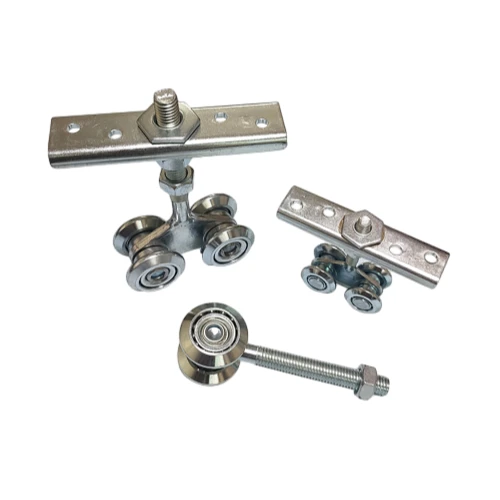
National Standard Bearing Industrial Pulley Ball Bearing Double Wheel And Single Wheel Sliding Door Hanging Wheel
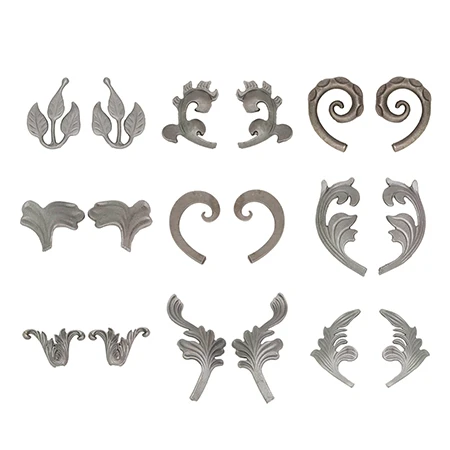
Wholesale Wrought Iron Leave

Decorative Wrought Iron Parts
Technical Support
Common Inquiries Regarding Pulley Systems
Direct answers to technical and procurement questions for the Ugandan market.
What is the main difference between a double pulley and a single pulley for industrial use?
A double pulley allows for two separate belts to be driven by a single shaft or provides a mechanical advantage through compounding. In industrial settings, they are typically used to synchronize multiple components or to increase lifting capacity. For Ugandan manufacturers, double pulleys are ideal for dividing power across two machine sections without needing additional motors.
How do I determine the correct size and material for a round belt pulley for my machinery?
Determination requires measuring the belt width, the required diameter for the desired speed ratio, and the shaft bore size. Material choice depends on the environment; stainless steel is recommended for high-moisture areas, while treated alloys are best for high-dust industrial zones. We recommend providing these specifications to our ODM team to ensure a precise fit that prevents energy loss.
Are your ceiling mount pulley systems suitable for the humid climate in Uganda?
Yes, our ceiling mount systems are produced with advanced anti-corrosion coatings and galvanized finishes. These treatments create a protective barrier against humidity and oxidation, which are common in East African environments. This ensures that the structural integrity of the pulley and its mounting hardware remains intact over long-term operation.
What are the typical lead times for custom ODM pulley orders shipping to East Africa?
Lead times vary based on the complexity of the design and the order volume. Typically, the process involves a design consultation, sample approval, and mass production. Once the goods leave our facility in Hebei, shipping to Ugandan ports is handled through established export channels. We work to minimize these timelines by optimizing our integrated production facilities.
Can your garage door chain pulleys be integrated with existing automated motor systems?
Our garage door chain pulleys are designed to adhere to international size standards, making them compatible with most professional automation motors. However, since some regional systems vary, we offer customized bore sizes to ensure a seamless fit. Precise alignment is critical to prevent chain wear and motor strain during the opening and closing cycles.
What certifications do your pulleys hold to ensure safety in industrial lifting?
Our production facilities are BSCI certified, and we ensure our hardware meets ASTM and EN71 guidelines where applicable. These certifications verify that our materials are tested for load-bearing capacity and that our manufacturing processes are ethically and technically sound, providing essential safety assurances for high-load industrial lifting applications.
Global Partnerships
Optimize Your Mechanical Transmission Systems in Uganda
Whether you are upgrading an agro-processing plant in Jinja or designing a new warehouse in Kampala, Hebei Aobang provides the precision hardware needed to reduce downtime and increase efficiency. Our ODM experts are ready to help you specify the exact materials and dimensions required for your operational environment. Contact us today to discuss your technical requirements and receive a professional consultation.
Discuss Your Requirements