




Understanding Heavy Duty Door Hinges: The Backbone of Secure and Durable Entrances
Heavy duty door hinges might not be the first thing that comes to mind when we think about safety and infrastructure, but their importance is immense. Across the globe, from sprawling industrial complexes to emergency shelters, these hinges bear the unseen burden of security and durability. Why does this matter? Because proper hinges ensure that doors not only open and close smoothly but also withstand the stresses of time, weather, and heavy use. Understanding the features and roles of heavy duty door hinges ultimately supports better decisions in construction, manufacturing, and even humanitarian logistics.
The Global Context: Why Heavy Duty Door Hinges Matter Worldwide
As urbanization accelerates—the UN reports that 68% of the global population will live in cities by 2050—building infrastructure that lasts under high traffic and loads becomes critical. Doors are more than mere entry points: they contribute to safety, climate control, and energy efficiency. Heavy duty door hinges step in to solve a global challenge: creating reliable access points that withstand both human and environmental forces.
According to ISO standards related to construction products (ISO 91.080.10), hinges classified for heavy use must meet stringent durability tests. The World Bank highlights infrastructure resilience as a key factor in sustainable development, especially in disaster-prone or industrial zones where door failures could risk safety or disrupt logistics. The humble hinge, therefore, plays a surprisingly vital role in these ecosystems.
What Exactly Are Heavy Duty Door Hinges?
In simple terms, heavy duty door hinges are robust mechanical pivots that allow doors—often large, heavy, or frequently used—to swing open and closed with minimal wear and tear. Unlike their lightweight counterparts found on residential cabinets, these hinges are designed to handle increased weight and constant use without sagging, squeaking, or failing prematurely.
They link directly to modern industry needs: in factories, commercial buildings, hospitals, and even temporary emergency housing, where rapid deployment and durability count. Not to mention, these hinges support humanitarian efforts by ensuring shelters and secure spaces stay operational under difficult conditions.
Core Components and Features of Heavy Duty Door Hinges
Durability and Strength
The obvious star here. These hinges are usually crafted from stainless steel, brass, or high-grade alloys that resist corrosion, impact, and bending. For example, many heavy duty hinges are rated to handle doors weighing over 100 kilograms — sometimes even beyond 250 kilograms.
Load Capacity and Size
Here, the hinge's dimensions and bearing mechanism matter. Manufacturers often integrate ball bearings or sleeve bearings inside the hinge knuckles to maintain smooth motion even under heavy load. Using more than two hinges per door is common practice to distribute weight evenly.
Weather and Corrosion Resistance
In outdoor or industrial settings, hinges face rain, salty air, and chemicals. Coatings like powder coating, zinc plating, or anodizing ensure longer service life and consistent function.
Ease of Installation and Maintenance
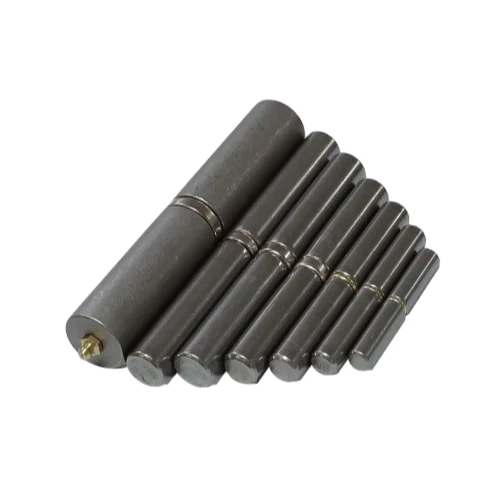
The design also reflects usability. Some heavy duty door hinges come with removable pins for easy door removal during repairs or transport, which is crucial in industries where downtime costs.
Aesthetic and Customization Options
Oddly enough, many commercial projects demand visually pleasing hardware. Manufacturers now offer finishes ranging from satin chrome to black matte or brass to blend function with style.
Product Specification Table: Typical Heavy Duty Door Hinge
| Specification | Details |
|---|---|
| Material | Stainless Steel (Grade 304 or 316) |
| Maximum Door Weight | Up to 250 kg per hinge |
| Finish | Powder Coating / Zinc Plated / Polished |
| Bearing Type | Ball Bearing or Sleeve Bearing |
| Pin | Removable or Non-removable |
| Temperature Range | -40°C to +120°C |
Mini Takeaway: The robustness of heavy duty door hinges comes down to materials, engineering, and design tailored specifically for heavy usage scenarios.
Global Applications and Real-World Use Cases
Heavy duty door hinges appear in all kinds of settings. In industrial zones of China and Germany, they secure heavy metal doors on manufacturing plants where repeated opening is a daily ritual. Hospitals in the US use these hinges to ensure quick but secure access to operating rooms. In refugee camps managed by UNHCR, heavy duty door hinges help maintain the integrity of modular shelters exposed to the elements.
Post-disaster scenarios offer a fascinating glimpse — after earthquakes or hurricanes, rapid deployment housing relies on hinges that can be installed quickly yet resist the instability of the environment. Remote mining camps in Canada or Australia similarly benefit from tough hinges able to withstand dust, cold, and vibration.
Advantages and Why Investing Matters
- Cost Efficiency: Although sometimes pricier upfront, heavy duty door hinges reduce maintenance and replacement expenses.
- Safety & Security: They bolster the strength of entrances, shielding from forced entry and enhancing fire safety compliance.
- Sustainability: Longer-lasting hinges mean fewer discarded parts and reduced environmental waste.
- Trust & Reliability: In critical infrastructure, dependable hardware supports organizational reputation and occupant confidence.
There's a satisfying feeling in knowing that this small piece of metal quietly holds an entire structure’s security in place.
Vendor Comparison: Popular Heavy Duty Door Hinge Manufacturers
| Vendor | Material Options | Max Weight Capacity | Customization | Lead Time | Price Range |
|---|---|---|---|---|---|
| Aobang Metal | 304/316 Stainless Steel, Brass | Up to 300 kg | Custom sizes & finishes | 2-4 weeks | $$ - $$$ |
| Simons Hardware | Steel, Zinc-Plated Steel | Up to 220 kg | Limited | 1-3 weeks | $ - $$ |
| Global Hinge Co. | Alloy Steels, Stainless Steel | Up to 280 kg | Full Custom Solutions | 4-6 weeks | $$$ |
Future Trends and Innovations in Heavy Duty Door Hinges
I’ve noticed a push toward “smart” hinges lately. Imagine hinges embedded with sensors monitoring door use, wear, and even unauthorized attempts at opening. Coupled with IoT technology, facility managers gain predictive maintenance insights, cutting unexpected failures.
Materials science is also stepping up with composites and new alloys that combine lighter weight with the same or higher strength — great news for energy efficiency and easier installation.
Policies encouraging green building certifications (think LEED or BREEAM) increasingly prioritize hardware that’s recyclable or low in volatile compounds. Manufacturers like Aobang Metal are starting to develop hinges aligned with these standards.
Challenges and Solutions in Using Heavy Duty Door Hinges
Sometimes it feels like nothing’s ever perfect, right? Heavy duty hinges can be heavy themselves, complicating installation, especially in field deployments or DIY projects.
Corrosion remains an issue in highly saline or industrial atmospheres. However, innovative surface treatments and better sealing of bearing components are mitigating these problems significantly.
Another challenge is the balance between cost and quality. Low-priced hinges might save money short term but fail sooner, causing bigger headaches. Expert installation and choosing trusted vendors often solve this sustainably.
FAQ: Answers to Common Questions About Heavy Duty Door Hinges
Q1: How do I know which heavy duty door hinge is right for my project?
Evaluate the door's weight, environment (indoor/outdoor), frequency of use, and safety requirements. Choose hinges with load ratings above your door's weight and those suited for the environment (e.g., stainless steel for outdoors). Consulting vendors can help tailor options.
Q2: Can heavy duty door hinges be maintained easily?
Yes, most heavy duty hinges are designed for minimal maintenance. Regular lubrication and cleaning reduce wear and noise. Hinges with removable pins simplify maintenance tasks or door removal.
Q3: Are these hinges suitable for fire-rated doors?
Many heavy duty hinges are specifically manufactured and tested to comply with fire safety standards (like UL10C or EN 1634-1). Always ensure the hinge carries certification matching the door’s fire rating.
Q4: How can I order custom sizes or finishes?
Vendors like Aobang Metal specialize in custom manufacturing. Simply provide door dimensions, weight, and desired aesthetic finishes; lead times vary but usually fall within a few weeks.
Q5: Is it worth investing in removable pin hinges?
Definitely. Removable pin hinges allow easy door removal for refurbishing or transport without unscrewing the whole assembly, saving time and effort—especially for heavy doors.
Conclusion: The Long-Term Value of Heavy Duty Door Hinges
So, we’ve taken a deep yet approachable dive into the world of heavy duty door hinges. These strong, often overlooked components carry significant weight (both literally and figuratively) in our built environment. They are vital to safety, efficiency, and long-term cost savings. The innovations coming through make them smarter, more sustainable, and even easier to manage than ever before.
Want to learn more or explore quality hinge options? Visit https://www.aobangmetal.com — your reliable partner in heavy duty door solutions.
References:
1. United Nations, Urbanization report
2. ISO Technical Committee on Building Construction Hardware
3. World Bank - Infrastructure Resilience

-
Heavy Duty Ramp Gate Hinges Guide for Industrial EquipmentNewsApr.16,2026
-
Guide to Selecting the Right Ramp Door Spring Hinge for TrailersNewsApr.09,2026
-
Comprehensive Guide to Livestock Trailer Gate Hinges for Durable PerformanceNewsApr.07,2026
-
Choosing the Right Heavy Duty Hinges for Ramps A Comprehensive GuideNewsApr.04,2026
-
Comprehensive Guide to Choosing the Right Enclosed Trailer Ramp Door Extension HingeNewsMar.31,2026
-
Comprehensive Guide to Bi Fold Trailer Gate Hinges for Optimal PerformanceNewsMar.28,2026
-
Comprehensive Guide to Durable Aluminum Trailer Ramp Hinges for Optimal PerformanceNewsMar.26,2026