




Heavy Duty Cabinet Hinges: The Backbone of Reliable Industrial Storage
If you’ve ever struggled with a cabinet door that just wouldn’t stay shut, or worse, one that crumples under heavy use, then you’ve already touched upon why heavy duty cabinet hinges really matter. These hinges might not always be the most glamorous topic in hardware, but they hold immense importance across manufacturing, warehousing, and even humanitarian logistics globally. Understanding their role isn’t just about fixing doors; it’s about ensuring safety, durability, and efficiency in critical environments.
Global Context: Why Heavy Duty Hinges Are More Relevant Than Ever
Industries worldwide rely heavily on sturdy storage solutions. According to ISO standards on construction materials and hardware, durability testing for hinges is a key quality indicator (ISO 14743). The global industrial storage market is projected to grow at over 5% annually for the foreseeable future, mainly fueled by expanding urbanization and increased factory outputs. However, rapid industrialization brings challenges; poorly engineered hinges lead to increased maintenance costs and safety hazards. This is where heavy duty cabinet hinges play a pivotal role—ensuring the world’s industrial cabinets don’t fail under pressure.
What Exactly Are Heavy Duty Cabinet Hinges?
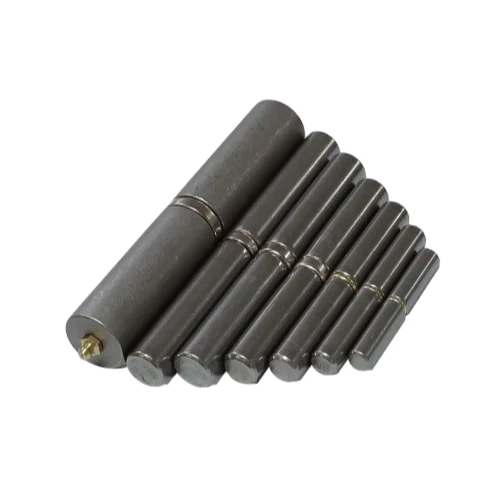
Simply put, these are mechanical pivot points designed to support cabinet doors that bear significant weight or frequency of use. Unlike regular hinges, heavy duty variants are built with reinforced materials, precision engineering, and often enhanced corrosion resistance. Whether you find them in medical equipment storage, factory tool cabinets, or rugged outdoor enclosures, they allow doors to swing smoothly while withstanding heavy loads for thousands of cycles.
Core Components and Key Factors Explained
1. Durability
Arguably the most important feature. These hinges must resist wear from repeated opening and closing, sometimes numbering in the tens of thousands of cycles over years. Stainless steel and hardened alloys dominate here.
2. Load Capacity
Depending on door size and weight, hinges can support anywhere from 15 kg to over 100 kg. The design must ensure no sagging or deformation occurs.
3. Corrosion Resistance
Often these hinges face humidity, chemicals, or salt spray, especially in maritime or pharmaceutical environments. Finishes like zinc plating or electropolishing are common.
4. Adjustability and Installation
Engineers appreciate hinges offering easy alignment adjustments. This flexibility reduces installation errors and operational friction.
5. Noise Reduction
A less obvious factor. Silent closing mechanisms or dampers add value, especially where quiet environments are desired.
Product Specifications of a Typical Heavy Duty Cabinet Hinge
| Specification | Details |
|---|---|
| Material | 316 Stainless Steel |
| Load Capacity | Up to 80 kg per hinge |
| Finish | Electropolished & Zinc-Plated |
| Opening Angle | Up to 180° |
| Lifespan | Over 50,000 cycles |
| Noise Dampening | Optional Rubber Inserts |
Where Are Heavy Duty Cabinet Hinges Used Around the World?
Frankly, these hinges show up in more places than most people realize. From Scandinavia’s pharmaceutical cold-storage units to Africa’s off-grid mobile clinics… real-world applications confirm their critical importance.
- Manufacturing: In factories across China and Germany, they help enclosures withstand high-impact tools and chemicals.
- Healthcare: Medical cabinets in U.S. hospitals often deploy stainless hinges for hygiene and reliability.
- Military and Defense: Tactical vehicle storage compartments demand hinges that won’t fail under harsh conditions.
- Disaster Relief: NGOs installing rapid-deploy cabinets in disaster zones rely on heavy duty hinges for durability in rough environments.
Mini takeaway: The broad utility of these hinges underscores their indispensable role in maintaining operational continuity worldwide.
The Advantages & Long-Term Value of Heavy Duty Cabinet Hinges
Beyond just weight support, these hinges offer compelling monetary and social benefits. For one, they drastically reduce the need for frequent replacements — saving companies plenty in maintenance. They also contribute to human safety by keeping cabinets secure under heavy load. You know, when delicate instruments or expensive tools are locked behind those doors, you want zero chance of failure.
On an emotional level, a smooth, well-functioning hinge inspires confidence and trust in a workspace, subtly boosting morale. Imagine an operator in a pharmaceutical lab trusting each cabinet to protect sensitive materials, day in and day out.
Vendor Comparison: Heavy Duty Hinges From Top Manufacturers
| Vendor | Material Quality | Load Capacity | Corrosion Resistance | Price Range (per unit) |
|---|---|---|---|---|
| Aobang Metal | 316 Stainless Steel | Up to 80 kg | Excellent (electropolished finish) | $12 - 18 |
| Hettich | High-grade Steel | Up to 70 kg | Good (plated) | $15 - 22 |
| Sugatsune | Stainless Steel | Up to 60 kg | Very Good (electroplated) | $16 - 24 |
Looking Ahead: Trends Influencing Heavy Duty Cabinet Hinges
We’re beginning to see innovations on several fronts. Smart hinges with integrated sensors to detect wear are being prototyped, promising preventive maintenance. Materials science is advancing with composites that reduce weight while maintaining strength — critical for aerospace or mobile applications.
Sustainability is another driving trend. Manufacturers are exploring recycled alloys and eco-friendly coatings, in line with ISO 14001 environmental standards. As factories automate more, hinges must also be compatible with robotic assembly lines, demanding higher precision and uniformity.
Challenges & Expert Solutions
Of course, no product is perfect. Heavy duty hinges can be costly upfront, and over-engineering sometimes adds unnecessary weight. Corrosion remains a stubborn enemy despite better coatings — especially in coastal or chemical-rich environments.
Experts recommend modular design thinking: use just enough hinge strength tailored to the exact application, and embrace regular inspections supported by newly developed sensor tech. Plus, choosing suppliers who follow rigorous international standards tends to minimize production inconsistencies.
FAQ: Quick Answers About Heavy Duty Cabinet Hinges
- Q: What differentiates heavy duty hinges from standard hinges?
A: Heavy duty hinges are made with reinforced materials and designed to support greater weight and endure more frequent use, often including corrosion resistance for harsh environments. - Q: Can heavy duty hinges be used outdoors?
A: Yes, but it’s important they have proper corrosion protection like electropolishing or zinc plating to withstand moisture and environmental exposure. - Q: How do I know what load capacity I need?
A: Calculate the cabinet door’s weight and add a safety margin. Usually, manufacturers specify hinge load limits to guide selection. - Q: Are there adjustable hinges for easier door alignment?
A: Many heavy duty hinges feature adjustment screws for precise alignment, which simplifies installation and maintenance.
Conclusion: Invest in Heavy Duty Hinges for Durable, Safe Cabinets
In real terms, the humble heavy duty cabinet hinge quietly ensures safety, reliability, and longevity in countless industrial and humanitarian settings worldwide. Whether for a bustling factory or a remote field clinic, the right hinge makes all the difference.
To discover a broad range of top-quality, tested heavy duty cabinet hinges, visit Aobang Metal's website where durability meets innovation.
Mini takeaway: Choosing the right heavy duty cabinet hinges combines engineering precision with practical foresight — a small decision with big impacts.
References

-
Heavy Duty Ramp Gate Hinges Guide for Industrial EquipmentNewsApr.16,2026
-
Guide to Selecting the Right Ramp Door Spring Hinge for TrailersNewsApr.09,2026
-
Comprehensive Guide to Livestock Trailer Gate Hinges for Durable PerformanceNewsApr.07,2026
-
Choosing the Right Heavy Duty Hinges for Ramps A Comprehensive GuideNewsApr.04,2026
-
Comprehensive Guide to Choosing the Right Enclosed Trailer Ramp Door Extension HingeNewsMar.31,2026
-
Comprehensive Guide to Bi Fold Trailer Gate Hinges for Optimal PerformanceNewsMar.28,2026
-
Comprehensive Guide to Durable Aluminum Trailer Ramp Hinges for Optimal PerformanceNewsMar.26,2026