




The Enduring Appeal and Technical Excellence of Wrought Iron Decoration
In the realm of B2B applications, the demand for durable, aesthetically pleasing, and highly customizable metalwork is consistently high. Among the various metal fabrication options, wrought iron decoration stands out as a superior choice, offering unparalleled strength, longevity, and artistic versatility. This material, distinct from its cast iron counterpart, is celebrated for its ability to be repeatedly heated and worked with tools, allowing for intricate designs and robust structures that meet the rigorous demands of industrial, commercial, and public infrastructure projects. From ornate architectural elements to robust fencing and specialized industrial components, wrought iron's unique properties make it indispensable.
The global market for metal decorative products is experiencing significant growth, driven by increasing construction activities, urban beautification projects, and a renewed appreciation for classic, durable materials. As a key player in this sector, products like our Cheap Metal Wrought Iron Decoration exemplify how traditional craftsmanship, enhanced by modern manufacturing techniques, can deliver cost-effective yet high-quality solutions. This article delves into the technical specifics, application advantages, and market trends defining the modern landscape of wrought iron decorative elements.
Industry Trends and Market Dynamics
The market for architectural and industrial metalwork, particularly those utilizing materials like wrought iron and cast iron garden ornaments, is undergoing a dynamic evolution. Several key trends are shaping demand:
- Sustainability and Longevity: There's a growing emphasis on materials that offer extended service life and require minimal maintenance, reducing the environmental footprint over time. Wrought iron, with its inherent durability, perfectly aligns with this trend.
- Customization and Bespoke Design: Architects and designers increasingly seek unique, tailored solutions. The malleability of wrought iron allows for intricate wrought iron artwork and complex structural designs that are difficult to achieve with other metals.
- Fusion of Traditional and Modern Aesthetics: While retaining its classic charm, wrought iron is being integrated into contemporary designs, often combined with glass, wood, or modern lighting elements to create striking features in urban landscapes and commercial spaces.
- Technological Advancements in Fabrication: Modern forging, welding, and finishing techniques, including advanced CNC machining for precision components, are enhancing the quality, efficiency, and consistency of wrought iron decoration manufacturing.
- Global Infrastructure Development: Rapid urbanization and infrastructure projects in developing economies are driving demand for robust and aesthetically pleasing metal components in bridges, public spaces, and commercial buildings.
Market analysis indicates a steady growth rate in the decorative metal products sector, projected to reach a significant valuation by the end of the decade, largely fueled by these factors. North America and Europe continue to be major markets, with the Asia-Pacific region showing accelerated growth due to substantial investment in construction and urban development.
Detailed Manufacturing Process Flow for Wrought Iron Decoration
The creation of high-quality wrought iron decoration involves a meticulous process that combines traditional blacksmithing techniques with modern engineering precision. This ensures both artistic integrity and structural robustness. The process generally follows these stages:
1. Material Selection & Preparation
Materials: Typically low-carbon steel (ferrite and pearlite structure), which exhibits the ductility and malleability characteristic of traditional wrought iron. Modern applications often use mild steel alloys that mimic original wrought iron properties. Material adherence to ASTM A36 or equivalent international standards is critical.
Cutting & Shaping: Raw stock (bars, sheets, rods) is cut to approximate dimensions using shearing machines or plasma/laser cutters. CNC machining is employed for precise component fabrication, ensuring minimal material waste and high accuracy.
2. Heating & Forging
Heating: Metal sections are heated in specialized forge furnaces to temperatures between 900°C and 1200°C (1650°F and 2200°F), making the metal plastic and workable. Temperature control is crucial to prevent overheating or underheating, which can affect material integrity.
Forging: Skilled artisans and automated forging equipment then shape the hot metal using hammering, bending, twisting, and stretching techniques. This process refines the grain structure, enhancing strength and ductility.
3. Assembly & Welding
Assembly: Individual forged components are assembled into the final design. This stage requires precise alignment and jigging to ensure structural integrity and aesthetic consistency.
Welding: Components are joined using various welding methods such as MIG, TIG, or traditional forge welding. All welds are performed according to AWS (American Welding Society) or ISO 3834 standards, ensuring robust, visually appealing, and defect-free joints. Non-destructive testing (NDT) like visual inspection, dye penetrant testing, or ultrasonic testing verifies weld integrity.
4. Surface Treatment & Finishing
Cleaning: Surfaces are meticulously cleaned to remove scale, rust, and flux residues, often through sandblasting or chemical pickling, to prepare for coating adhesion.
Corrosion Protection: A primary advantage of modern wrought iron decoration is its enhanced corrosion resistance. This is achieved through multi-layer coating systems:
- Hot-dip Galvanization: Conforming to ISO 1461 or ASTM A123, providing a sacrificial zinc layer for superior rust protection, with service life often exceeding 50 years in typical environments.
- Zinc-rich Primers: Applied for additional galvanic protection.
- Powder Coating/Painting: Electrostatic application of high-durability polymer coatings (e.g., epoxy, polyester) that are then oven-cured. This provides UV resistance, aesthetic finish, and further corrosion barrier, adhering to AAMA 2605 or Qualicoat standards.
5. Quality Control & Testing
Throughout the process, stringent quality control measures are implemented. This includes dimensional verification, weld inspection, adhesion testing for coatings, and visual inspection for defects. Compliance with ISO 9001 quality management systems is standard, ensuring consistent product quality.
6. Packaging & Shipping
Finished products are carefully packaged to prevent damage during transit, utilizing protective wraps, crates, and specialized handling procedures, particularly for large or delicate wrought iron artwork.
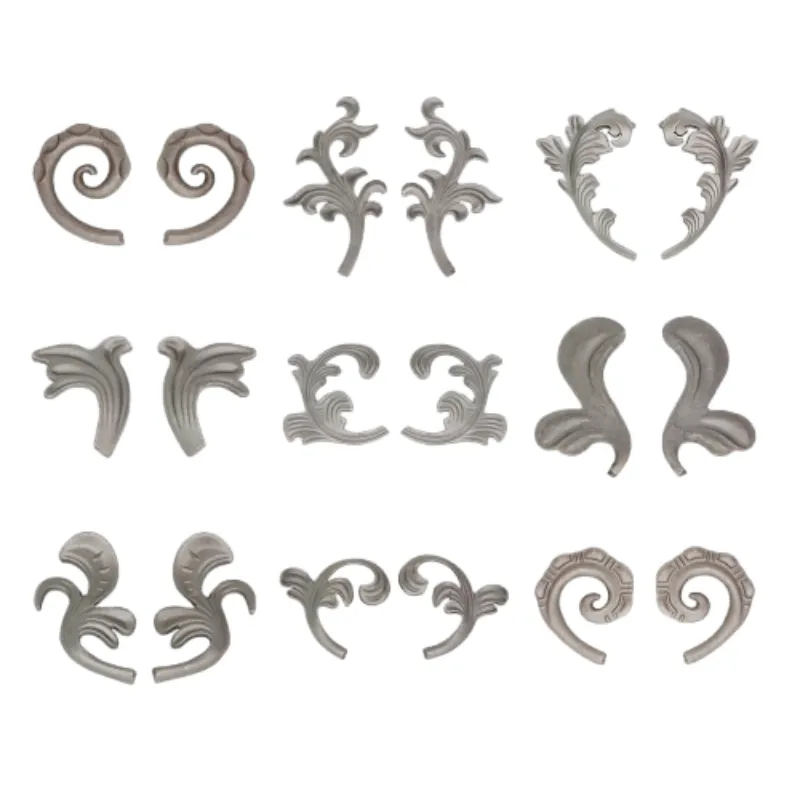
Target Industries: Our wrought iron decoration serves a diverse range of industries, including petrochemical (safety railings, structural supports), metallurgy (decorative elements in industrial complexes), water supply & drainage (protective grilles, access ladders), construction (balconies, fences, gates), landscape architecture (public park installations, urban furniture), and luxury residential projects.
Advantages in Typical Application Scenarios: The meticulous process ensures energy saving through durability (less replacement) and superior corrosion resistance due to advanced surface treatments, resulting in a product with an exceptional service life exceeding 50 years under normal environmental conditions.
Technical Specifications and Performance Parameters
Understanding the technical specifications of wrought iron decoration is paramount for B2B decision-makers. Our products are engineered to precise standards, ensuring optimal performance and longevity.
Typical Product Specifications: Wrought Iron Decorative Panel
| Parameter | Specification | Standard/Value |
|---|---|---|
| Material Grade | Low Carbon Steel (Mild Steel) | ASTM A36 / EN S235JR |
| Tensile Strength | Minimum | 400-550 MPa |
| Yield Strength | Minimum | 250 MPa |
| Elongation at Break | Minimum | 20% |
| Surface Treatment Options | Hot-dip Galvanization, Powder Coating, Painting | ISO 1461, AAMA 2605 (for Powder Coating) |
| Corrosion Resistance | Excellent (with proper treatment) | Salt Spray Test > 1000 hours (for galvanized & powder coated) |
| Typical Service Life | Outdoor Architectural Applications | 50+ years (with periodic maintenance) |
| Fabrication Tolerances | Dimensional Accuracy | ISO 2768-1 m (Medium) |
These parameters are critical for structural engineers and project managers to ensure compliance with building codes and longevity expectations. The combination of high tensile strength and excellent ductility allows for robust designs that can withstand significant stress while offering flexibility in aesthetic form.
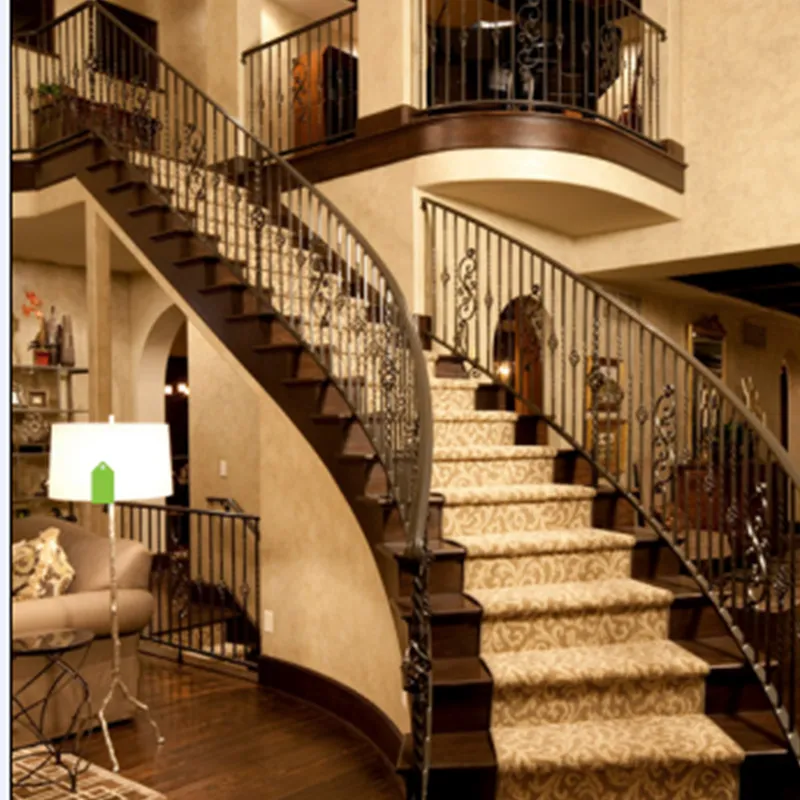
Technical Advantages of Wrought Iron in B2B Applications
The selection of materials in B2B projects is driven by a balance of cost, performance, and longevity. Wrought iron decoration offers several distinct advantages:
- Superior Durability and Longevity: With proper surface treatment (galvanization and powder coating), wrought iron products can withstand harsh environmental conditions for decades, minimizing the need for costly replacements and maintenance. Its robust nature makes it ideal for high-traffic public areas.
- Exceptional Aesthetic Versatility: The malleability of wrought iron allows for intricate designs, curves, and patterns that are challenging to achieve with other metals. This makes it a preferred choice for high-end architectural and artistic projects where visual impact is crucial. This is particularly evident in wrought iron artwork used in public spaces.
- High Strength-to-Weight Ratio: While appearing substantial, wrought iron can be forged into strong yet elegant structures, providing significant structural integrity without excessive bulk. This is advantageous for balconies, railings, and gates requiring both strength and an open aesthetic.
- Corrosion Resistance: Modern treatments dramatically enhance resistance to rust and corrosion, extending the product's lifespan even in coastal or industrial environments. The multi-layer protection system provides a barrier against moisture, chemicals, and UV radiation.
- Security and Robustness: For applications such as perimeter fencing, gates, and security grilles, the inherent strength of wrought iron provides a formidable barrier, enhancing safety and protection for commercial and industrial premises.
- Sustainable Investment: Due to its long service life and ability to be recycled, wrought iron represents a sustainable investment. Its durability reduces material consumption and waste over the lifecycle of a project.
Application Scenarios and Target Industries
The versatility of wrought iron decoration enables its deployment across a broad spectrum of B2B applications, from heavy industrial settings to refined commercial and public spaces:
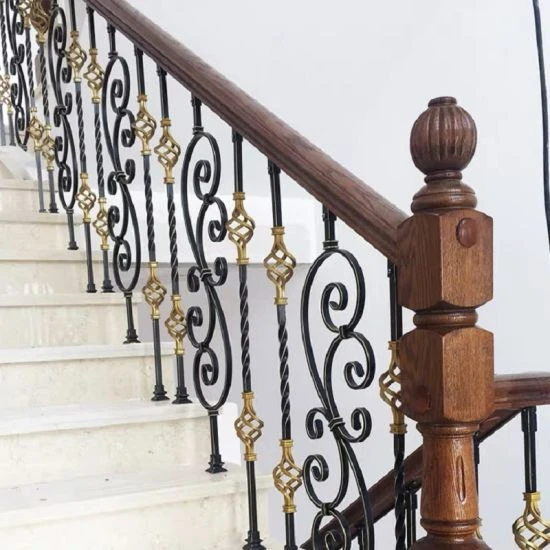
- Architectural Embellishments: Balconies, stair railings, balustrades, grilles, and decorative facades for commercial buildings, hotels, and high-end residential complexes. Its aesthetic qualities are particularly valued for creating a sense of grandeur and timelessness.
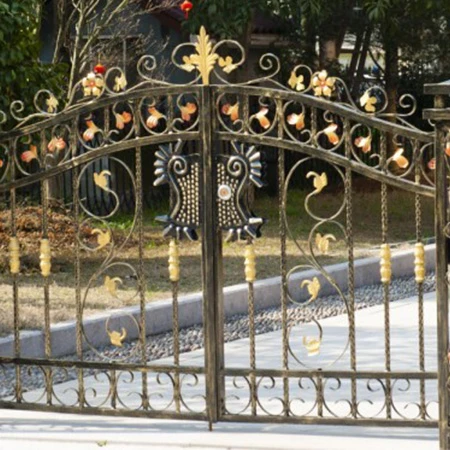
- Perimeter Security and Access Control: Robust fencing, gates (swing, sliding, cantilever), and pedestrian access points for industrial facilities, data centers, corporate campuses, and public parks. The strength of wrought iron deters unauthorized entry effectively.
- Urban Furniture and Public Art: Benches, lamp posts, bollards, public sculptures, and park railings. The durability and vandal-resistant properties are crucial for public installations, while the artistic potential allows for unique wrought iron artwork that enhances civic spaces.
- Industrial Infrastructure: Safety barriers, catwalk railings, machine guarding, and specialized supports in petrochemical plants, power generation facilities, and mining operations where robust, custom-fabricated metalwork is essential.
- Water Management & Utilities: Decorative grates for storm drains, protective screens for pumping stations, access covers, and security barriers around water treatment facilities. Corrosion resistance is paramount in these environments.
- Hospitality and Retail: Interior and exterior decorative elements, signage, display stands, and themed installations that require bespoke metal craftsmanship and a premium aesthetic.
In each scenario, the material's inherent strength, combined with advanced anti-corrosion treatments, ensures a prolonged service life and minimal operational expenditure, providing substantial return on investment for project stakeholders.
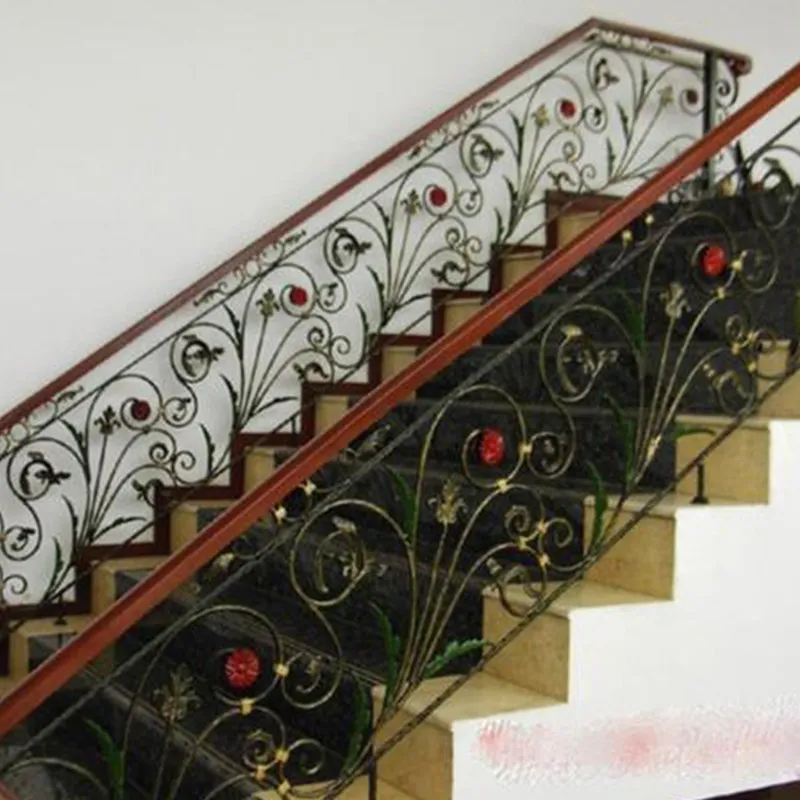
Vendor Comparison: Wrought Iron vs. Cast Iron for Decorative Applications
When specifying decorative metalwork, a common decision point is between wrought iron and cast iron. While both offer distinct aesthetic appeal, their manufacturing processes and mechanical properties lead to different optimal applications. Understanding these differences is crucial for informed procurement, particularly for items such as cast iron garden ornaments versus intricate forged elements.
Product Comparison Table: Wrought Iron vs. Cast Iron
| Feature | Wrought Iron (Forged) | Cast Iron (Moulded) |
|---|---|---|
| Manufacturing Process | Heated and mechanically worked (forged, hammered, bent, welded) | Melted and poured into a mold, then cooled |
| Carbon Content | Very Low (typically <0.08%) | High (typically 2-4%) |
| Malleability/Ductility | High (can be bent, twisted, stretched without breaking) | Very Low (brittle; shatters under impact) |
| Tensile Strength | High (strong under tension) | Moderate (weak under tension) |
| Compressive Strength | High | Very High |
| Appearance/Texture | Smooth, often with visible hammer marks; intricate, slender designs | Rougher, grainy finish; solid, bulky forms, repeatable patterns |
| Application Suitability | Structural, high-stress, intricate designs, unique architectural features | Mass production of identical ornate parts, heavy bases, statuary, grates |
| Cost (Relative) | Generally higher due to labor-intensive forging/welding | Lower for repetitive, complex shapes due to casting efficiency |
For B2B projects requiring structural integrity, custom design, and slender, elegant profiles, wrought iron decoration is typically the superior choice. Cast iron excels where heavy, repeatable, and complex non-structural forms are needed, such as classic cast iron garden ornaments or heavy grates. Our expertise lies in leveraging the strengths of wrought iron to deliver products that meet stringent performance and aesthetic criteria.
Customized Solutions & Engineering Support
Recognizing that every B2B project has unique requirements, we specialize in providing fully customized wrought iron decoration solutions. Our process integrates client vision with engineering expertise:
- Design Consultation: Our team collaborates with architects, designers, and project managers from the initial concept phase, offering insights into material capabilities, design feasibility, and aesthetic optimization for wrought iron artwork.
- CAD/CAM Engineering: Utilizing advanced CAD software, we create detailed 3D models and engineering drawings, ensuring precise dimensions, structural integrity, and visual accuracy before fabrication begins. This includes finite element analysis (FEA) for critical structural components.
- Material & Finish Selection: Guidance on optimal material grades, anti-corrosion treatments (galvanization, zinc-rich primers, powder coating), and aesthetic finishes (e.g., matte, gloss, textured, custom color matching) to meet specific project demands and environmental conditions.
- Prototyping & Sampling: For complex or large-scale projects, we can provide prototypes or samples for client review, allowing for adjustments and approvals before full production commences.
- Installation Support: Beyond fabrication, we offer guidance on proper installation techniques and provide detailed assembly instructions to ensure seamless integration into your project.
Our commitment to customized solutions ensures that each piece of wrought iron decoration is not just a product, but a bespoke engineering solution tailored to exact specifications, delivering both functional excellence and unparalleled aesthetic appeal.
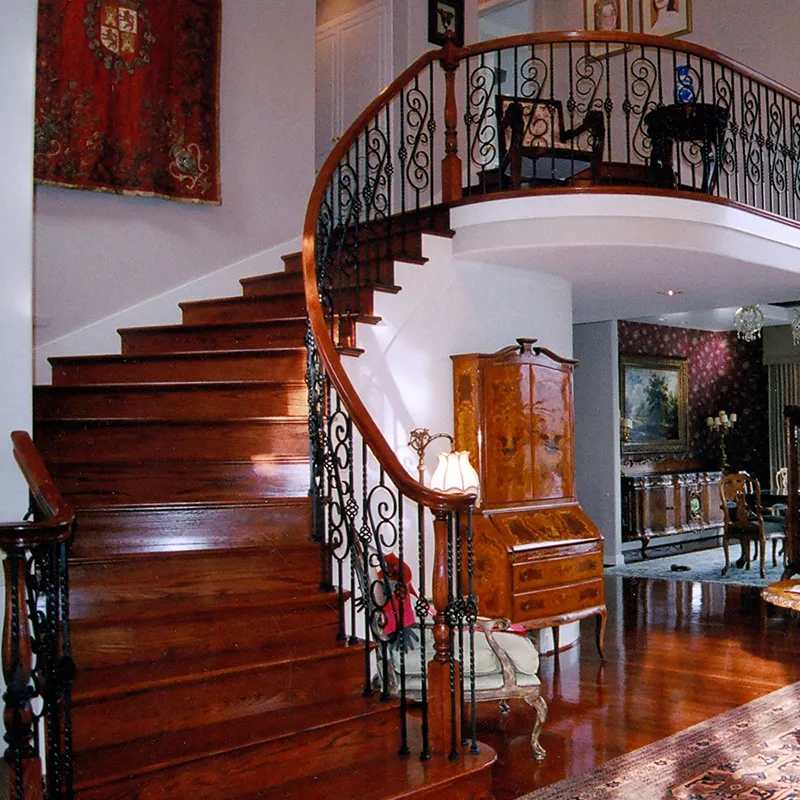
Application Case Studies
Our expertise in wrought iron decoration has been proven across numerous successful projects. Here are a few examples showcasing the versatility and advantages of our solutions:
Case Study 1: Grand Hotel Balconies & Railings
Client: A prominent hospitality group developing a luxury hotel in a coastal region.
Challenge: To provide elegant, durable balcony railings and interior stair balustrades that would withstand the corrosive marine environment while reflecting the hotel's high-end aesthetic.
Solution: We engineered custom wrought iron decoration, hot-dip galvanized and then finished with a marine-grade powder coating. The intricate designs were precisely forged to match the hotel's architectural theme. The chosen finish provided superior salt-spray resistance (exceeding 2000 hours in testing).
Outcome: The railings and balustrades delivered exceptional corrosion resistance and durability, contributing significantly to the hotel's luxurious appeal. Customer feedback highlighted the exquisite craftsmanship and the peace of mind provided by the extended warranty.
Case Study 2: Municipal Park Gates and Fencing
Client: A municipal urban development department.
Challenge: To install secure, aesthetically pleasing perimeter fencing and entrance gates for a large public park that could withstand high foot traffic, potential vandalism, and various weather conditions over decades.
Solution: We designed and fabricated heavy-duty wrought iron decoration fencing and automated gates. All components were galvanized and finished with a durable, anti-graffiti powder coating. The design incorporated classic motifs for a timeless look.
Outcome: The project delivered enhanced security for the park while significantly elevating its aesthetic appeal. The robust construction and multi-layer coating system ensured a maintenance-free installation for the foreseeable future, exceeding the municipality's durability expectations.
Quality Assurance and Certifications
Our commitment to producing superior wrought iron decoration is underpinned by stringent quality assurance protocols and adherence to international certifications. We operate under a certified ISO 9001 Quality Management System, ensuring consistency and excellence at every stage from design to delivery. Key aspects include:
- Material Traceability: All raw materials are sourced from certified suppliers and come with material test reports (MTRs) to confirm chemical composition and mechanical properties, ensuring compliance with ASTM, EN, and JIS standards.
- Process Control: Each step of the manufacturing process, including forging temperatures, welding parameters (WPS/PQR compliant with AWS D1.1/ISO 3834), and coating thickness (measured per ISO 2178), is meticulously monitored and documented.
- Third-Party Inspections: We regularly facilitate third-party inspections and testing, including non-destructive testing (NDT) such as ultrasonic testing for weld integrity and pull-off tests for coating adhesion, to provide independent verification of product quality.
- Compliance: Our products are designed and manufactured to meet relevant international building codes and safety standards, providing peace of mind for specifiers and end-users.
Trustworthiness: FAQ, Lead Time, Warranty, and Customer Support
Frequently Asked Questions (FAQ)
Q: How does modern wrought iron compare to traditional wrought iron?
A: Modern wrought iron decoration typically uses low-carbon mild steel, which exhibits similar forging characteristics and superior consistency compared to historical wrought iron. Combined with advanced anti-corrosion treatments, modern products offer enhanced durability and longevity.
Q: What is the expected service life of your wrought iron products?
A: With our standard hot-dip galvanization and powder coating system, our wrought iron decoration is designed for a service life exceeding 50 years in typical outdoor architectural applications, provided proper installation and minimal periodic maintenance.
Q: Can you match specific architectural styles or provide custom designs?
A: Absolutely. Customization is a core strength. Our engineering and design teams work closely with clients to develop bespoke wrought iron artwork and structural elements that align perfectly with specific architectural styles, from classic to contemporary.
Q: What are the main benefits of galvanizing and powder coating?
A: Hot-dip galvanization provides a robust, sacrificial zinc layer that prevents rust even if the surface is scratched. Powder coating adds an aesthetic finish, UV protection, and an additional barrier against corrosion and abrasion, creating a highly durable, dual-layer protective system.
Lead Time & Fulfillment Details
Our lead times vary depending on the complexity, volume, and customization requirements of each order. Typically, for standard wrought iron decoration projects, lead times range from 4 to 8 weeks from design approval to factory dispatch. Expedited options are available for urgent projects upon request. We maintain transparent communication throughout the production schedule, providing regular updates to ensure timely project completion.
Warranty Commitments
We stand behind the quality of our products with a comprehensive warranty. All our wrought iron decoration is covered by a 10-year structural warranty against manufacturing defects and a 5-year warranty on surface finishes, ensuring peace of mind and long-term performance. Specific warranty terms will be detailed in project contracts.
Customer Support Information
Our dedicated customer support team is available to assist with inquiries, technical specifications, order status, and after-sales service. You can reach us via:
- Email: sales@aobangmetal.com
- Phone: +86-318-7711222 (Business Hours: Monday-Friday, 9:00 AM - 5:00 PM CST)
- Online Portal: Access project documents, track orders, and submit support tickets through our client portal.
We are committed to providing prompt and effective support to ensure your project's success and satisfaction with our wrought iron decoration.
Conclusion
The enduring appeal of wrought iron decoration in modern B2B applications is a testament to its unique blend of aesthetic versatility, structural integrity, and remarkable longevity. Through a combination of meticulous traditional craftsmanship and advanced industrial processes, we deliver solutions that not only meet but exceed the stringent requirements of diverse industries.
From bespoke architectural elements to robust security installations, our wrought iron decoration products represent a strategic investment in quality, durability, and design excellence. Our commitment to customized solutions, rigorous quality control, and comprehensive customer support ensures that every project benefits from the highest standards of engineering and artistry.
References
- ISO 9001:2015 Quality Management Systems – Requirements. International Organization for Standardization.
- ASTM A36/A36M-19, Standard Specification for Carbon Structural Steel. ASTM International.
- ISO 1461:2022, Hot-dip galvanized coatings on fabricated iron and steel articles — Specifications and test methods. International Organization for Standardization.
- AWS D1.1/D1.1M:2020, Structural Welding Code—Steel. American Welding Society.
- AAMA 2605-20: Voluntary Specification, Performance Requirements and Test Procedures for Superior Performing Organic Coatings on Aluminum Extrusions and Panels (relevant for powder coating performance expectations). American Architectural Manufacturers Association.
- ASM Handbook, Volume 14A: Metalworking: Bulk Forming. ASM International.
-
Heavy Duty Ramp Gate Hinges Guide for Industrial EquipmentNewsApr.16,2026
-
Guide to Selecting the Right Ramp Door Spring Hinge for TrailersNewsApr.09,2026
-
Comprehensive Guide to Livestock Trailer Gate Hinges for Durable PerformanceNewsApr.07,2026
-
Choosing the Right Heavy Duty Hinges for Ramps A Comprehensive GuideNewsApr.04,2026
-
Comprehensive Guide to Choosing the Right Enclosed Trailer Ramp Door Extension HingeNewsMar.31,2026
-
Comprehensive Guide to Bi Fold Trailer Gate Hinges for Optimal PerformanceNewsMar.28,2026
-
Comprehensive Guide to Durable Aluminum Trailer Ramp Hinges for Optimal PerformanceNewsMar.26,2026