




Fence Hinges: The Unsung Heroes of Security and Flexibility
When we think about the humble fence hinge, many of us probably don’t give it a second thought. Yet, these small mechanical components play a surprisingly big role in fencing infrastructure worldwide. From securing perimeters in urban environments to enabling easy access in farms, industrial sites, and humanitarian aid zones, fence hinges define how fences operate, endure, and adapt.
Understanding fence hinges isn’t just for hardware geeks; it matters to planners, builders, security experts, and indeed, anyone interested in durable, cost-effective boundary solutions — worldwide. After all, a gate that won’t swing smoothly or falls off means hassle, risk, and expense.
In this article, we’ll take a semi-technical, global perspective on fence hinges, exploring their key attributes, applications, and even looking ahead to how innovations might shape their future. Along the way, I’ll share some mini takeaways and an honest look at the challenges involved.
Fence Hinges in the Global Context: Why They Matter
Believe it or not, fence hinges touch several key global themes. Security, privacy, and property demarcation — all backed by sturdy fencing — are foundational to communities’ wellbeing and economic growth. According to a 2023 report by the International Organization for Standardization (ISO), over 60% of construction projects worldwide reference fence hardware standards that include hinges specifying strength, corrosion resistance, and ease of installation.[1]
But here’s a quirk: while fencing keeps properties safe, fences themselves can become liabilities if the hinges fail. For instance, in disaster relief zones where temporary fencing is put up quickly to safeguard fragile community assets and personnel, poor hinge quality can cause disruption, undermine safety protocols, or escalate costs.
With increasing urbanization and industrial expansion across Asia, Europe, and Africa, the demand for more reliable yet economical fence hinges is growing steadily — roughly 7% CAGR globally, according to recent market analytics.
Mini takeaway: Fence hinges may sound basic, but they’re a critical junction point in the big picture of security infrastructure across regions.
What Exactly Are Fence Hinges?
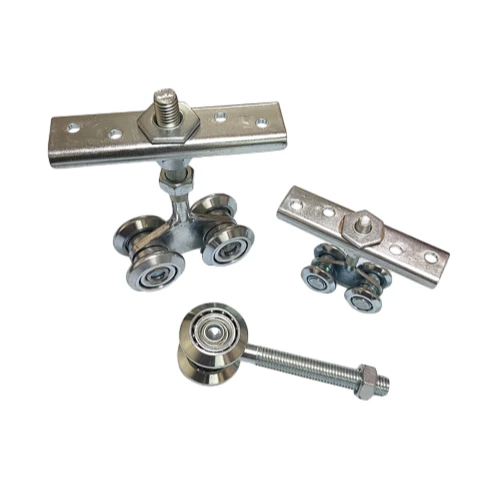
In simple terms, a fence hinge is a mechanical joint that connects a gate (part of the fence) to a post or wall, allowing it to pivot open and closed. Think of it as the gate’s elbow or knee. This basic function—rotational movement—is essential for access control.
But there’s a bit more nuance. Fence hinges can be made from different materials (steel, galvanized iron, stainless steel) and come in varied designs to suit different fences — from wooden garden fences to high-security mesh barriers used in industrial or governmental facilities.
Beyond turning, hinges bear weight, respond to environmental stress like wind or rain, and help maintain alignment over time. So, while simple, the choice of hinge impacts the longevity, security, and ease of use of fencing systems.
Mini takeaway: Though humble, fence hinges play a crucial role in connecting and adapting fencing components practically and reliably.
Core Components and Critical Factors of Fence Hinges
1. Durability and Material Quality
Arguably the most discussed factor. Outdoor hinges deal with rain, wind, dust, and sometimes corrosive chemicals. Options range from galvanized steel (affordable and rust-resistant) to stainless steel (premium corrosion resistance and strength). Coatings such as powder-coating or galvanization extend lifespan significantly.
2. Load Capacity and Size
Fence gates can vary from lightweight wooden panels to heavy metal or mesh. Hinges come rated for specific weight ranges, often between 20kg to over 100kg per hinge. Proper sizing prevents sagging and ensures smooth operation over years.
3. Installation Simplicity and Adjustability
Many modern hinges are designed with adjustable pins or brackets to allow for minor alignment corrections after installation, saving on maintenance cost and time.
4. Cost Efficiency versus Performance
Generally, you’ll find low-cost hinges that do well short-term but degrade rapidly, and high-end hinges that offer longevity but at a premium. Finding that sweet spot for your project depends on budget, local climate, and expected fence use.
5. Security Features
Some fence hinges come with tamper-proof pins or designs that prevent lifting the gate off the hinges—critical for high-security fences around sensitive areas.
Real-World Applications of Fence Hinges
Fence hinges are everywhere — socially, industrially, and even in crisis zones.
- Urban Housing: Residential areas rely on hinges that can endure frequent use without squeaking or rusting, often choosing powder-coated galvanized steel types.
- Agriculture: Farm gates tend to be larger and heavier; hinges here need to be robust, weather-resistant, and allow wide swing angles for machinery access.
- Industrial Zones and Warehousing: Security is paramount. Heavy-duty, tamper-resistant hinges with smooth bearings are popular choices.
- Disaster Relief & Refugee Camps: Temporary fencing often uses hinge designs that are easy to assemble, dismantle, and durable enough to withstand harsh climates briefly.
Oddly enough, I once visited a remote mining camp where hinge failure had halted gate access, causing costly delays. They switched to a more corrosion-resistant hinge model recommended by local engineers, and the problem vanished.
Fence Hinges Product Specifications
| Specification | Standard Model A | Heavy-Duty Model B | Stainless Steel Model C |
|---|---|---|---|
| Material | Galvanized Steel | Carbon Steel + Powder Coat | 304 Stainless Steel |
| Load Capacity (per hinge) | 50 kg | 100 kg | 70 kg |
| Finish | Zinc Plated | Powder Coated | Natural Metal |
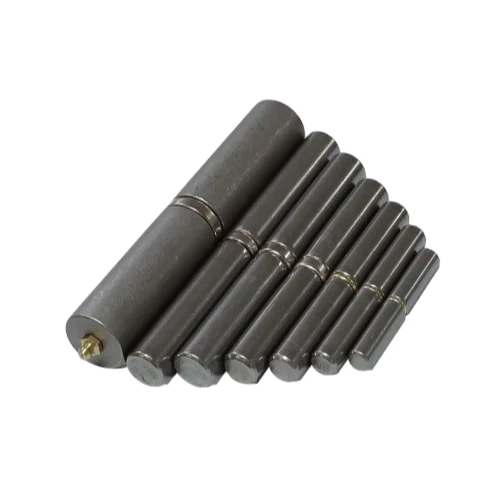
| Installation Type | Weld-on/ Bolt-on | Bolt-on with adjustable pin | Bolt-on, anti-corrosion |
| Anti-Theft Design | No | Yes (tamper-proof pin) | Yes (locking pin) |
Comparing Major Fence Hinge Vendors
| Vendor | Product Range | Quality Certification | Customization | Price Level |
|---|---|---|---|---|
| Aobang Metal | Garden, Industrial, Security Hinges | ISO 9001, CE Certified | High (OEM & ODM) | Mid-range |
| FencePro Supplies | Residential & Farm Hinges | ISO 14001 | Medium Customization | Economical |
| SecureLink Technologies | High-Security Hinges & Accessories | ISO 9001 & UL Listed | Low (Standardized) | Premium |
The Lasting Benefits of Your Fence Hinges
Choosing good fence hinges has ripple effects beyond simple function. They prevent gate sag, reduce maintenance calls, and ensure ongoing safety and controlled access. Emotionally, a sturdy gate that opens smoothly inspires trust—whether it’s in your kids’ playground or a corporate warehouse.
On the logical side, investing in resilient, weatherproof hinges pays off through years of trouble-free usage, lower replacement rates, and less downtime. Socially, reliable fencing helps maintain property integrity, reduces theft, and sometimes even marks neighborhood pride.
Sometimes it’s that little detail—the right hinge—that defines the fence’s overall success, in a way. So when it comes to fences, don’t underestimate the hinges.
What’s Next? Trends and Innovations Shaping Fence Hinges
It feels like the fence hinge space is quietly adopting tech-savvy upgrades, oddly enough. For example, corrosion-resistant alloys derived from aerospace materials are trickling into premium fence hinges, increasing lifespan by 30–50% in harsh environments.
Smart hinges with embedded sensors that detect gate openings, tampering, or weather-related stress are being piloted in security-conscious zones—contributing to IoT-enabled fencing systems.
Eco-friendly initiatives encourage manufacturers to switch to recycled metals and eco-coatings. These align with global sustainability goals, tackling waste and resource use in construction.
Overall, while the hinge may always look simple, its engineering is quietly evolving to meet new demands, from automation to green tech.
Common Challenges—and How to Tackle Them
Here are a few hurdles fence hinge users often face:
- Corrosion in Coastal or Industrial Areas: Standard zinc plating may fail quickly. Solution: invest in higher-grade stainless steel or special anti-corrosive coatings.
- Gate Sagging Over Time: Usually due to low load capacity or improper installation. Solution: choose rated hinges and consider adjustable or strain-relieving hinge designs.
- Security Vulnerabilities: Removable pins or unsecured bolts make it easy for thieves to bypass gates. Solution: use tamper-proof or non-removable pins.
- Installation Complexity: Some hinges require welding or precise alignment. Solution: modular, bolt-on hinges with built-in adjustability simplify fieldwork.
Frankly, selecting the right hinge is less about guessing and more about matching the product specs thoughtfully to local conditions and fence functions.
FAQs About Fence Hinges
- Q1: What’s the difference between a welded and a bolt-on fence hinge?
- A welded hinge is permanently affixed for very stable, long-lasting connections but requires welding equipment and skills. Bolt-on hinges offer easier installation and removal but might be less rigid. Choice depends on fence type and maintenance plans.
- Q2: Can fence hinges withstand harsh weather like heavy rain or snow?
- Yes, if you select hinges made of corrosion-resistant materials such as galvanized or stainless steel and apply protective coatings. Proper installation and occasional maintenance also help gear up for tough weather.
- Q3: Are there fence hinges designed to prevent theft or unauthorized removal?
- Absolutely. Many manufacturers offer tamper-proof hinges with non-removable pins or locking pins that make it extremely hard to lift the gate off its hinges.
- Q4: How do I choose the right size hinge for my gate?
- Consider your gate’s weight and dimensions. Consult specification sheets — generally, two or three hinges sized for the overall gate load. Oversized hinges add safety margins but may cost more.
- Q5: Can I get customized fence hinges for special requirements?
- Yes, many vendors including fence hinges manufacturers offer OEM/ODM services to tailor design, material, and finish for particular environments or security needs.
Wrapping Up: Why Fence Hinges Deserve Your Attention
At their core, fence hinges are small but mighty. They shape how our gates move, how secure spaces remain, and how fences stand up to the world’s many challenges. Reckoning with their features, materials, and design not only saves money but builds trust where it counts.
If you’re planning a project or upgrade, remember that the right hinges are part of a smooth operation. For reliable, well-engineered fence hinges, I recommend exploring specialized vendors who understand your specific needs.
Don’t overlook this essential piece of the puzzle. After all, a fence is only as good as the hinge that holds its gate in place.
Feel curious? Visit our website: https://www.aobangmetal.com to explore a full range of products and get expert advice.
References & Further Reading
-
Heavy Duty Ramp Gate Hinges Guide for Industrial EquipmentNewsApr.16,2026
-
Guide to Selecting the Right Ramp Door Spring Hinge for TrailersNewsApr.09,2026
-
Comprehensive Guide to Livestock Trailer Gate Hinges for Durable PerformanceNewsApr.07,2026
-
Choosing the Right Heavy Duty Hinges for Ramps A Comprehensive GuideNewsApr.04,2026
-
Comprehensive Guide to Choosing the Right Enclosed Trailer Ramp Door Extension HingeNewsMar.31,2026
-
Comprehensive Guide to Bi Fold Trailer Gate Hinges for Optimal PerformanceNewsMar.28,2026
-
Comprehensive Guide to Durable Aluminum Trailer Ramp Hinges for Optimal PerformanceNewsMar.26,2026