




Ornamental Wrought Iron Fence Spears: Field Notes from a Fencing Insider
If you’ve ever priced or specified cast iron fence spears, you know the devil’s in the details—material grade, coating, stem fit, and (surprisingly) the consistency of the tips. In fact, the product I’ve been revisiting lately is made from high-quality mild steel castings for wrought iron fences—a practical choice many customers favor for durability and price stability.
Industry trends (and what buyers actually ask)
Demand has shifted toward pre-galvanized or hot-dip galvanized stems plus powder coat, with specifiers pushing for ≥80 μm coating thickness and 500–1,000 h neutral salt spray. Security-conscious clients now prefer taller profiles and anti-climb spacing. And yes, there’s a quiet push for consistent die patterns—nobody wants a row of tips that look “off” by a millimeter.
Product snapshot and specs
Product: Ornamental Wrought Iron Fence Spears (Origin: RM.1012 ZHONGYUAN BUILDING, NO.368, YOUYI NORTH STR., SHIJIAZHUANG, CHINA)
| Parameter | Typical Value (≈, real-world use may vary) |
|---|---|
| Material | Mild steel (Q235 / ASTM A36 equivalent) |
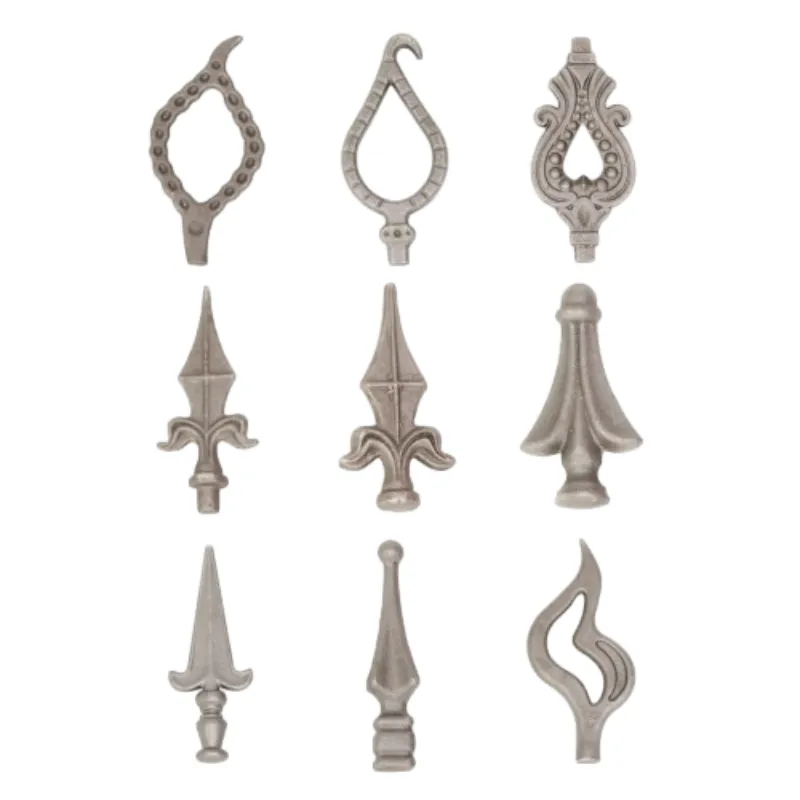
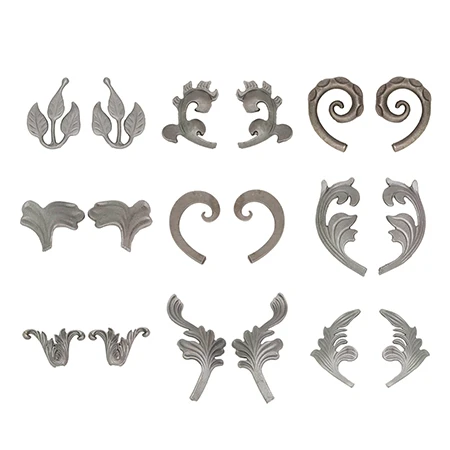
| Tip Styles | Triad, Fleur-de-lis, Spear, Arrow, Gothic |
| Stem OD/Square | Φ12–16 mm or 12×12–16×16 mm square |
| Mounting | Press-fit, weld-on, or set-screw |
| Finish Options | Hot-dip galvanizing (ISO 1461), powder coat (RAL) |
| Coating Thickness | HDG ≈70–100 μm; Powder ≥80 μm |
| Salt Spray | ≥500 h NSS (ISO 9227 / ASTM B117) |
| Service Life | 10–25 years depending on environment |
From pour to picket: the process (short version)
- Materials: certified mild steel; heat/lot traceability kept on file.
- Method: precision casting or forging, burr removal, stem drilling/reaming, jig welding if needed.
- Surface prep: shot blasting Sa 2.5; degrease and phosphate pre-treatment.
- Coatings: hot-dip galvanizing per ISO 1461; powder coat (polyester) cure-checked.
- Testing: adhesion cross-hatch, coating thickness gauge, NSS salt spray (sample lots), dimensional QC.
Where they’re used (and why)
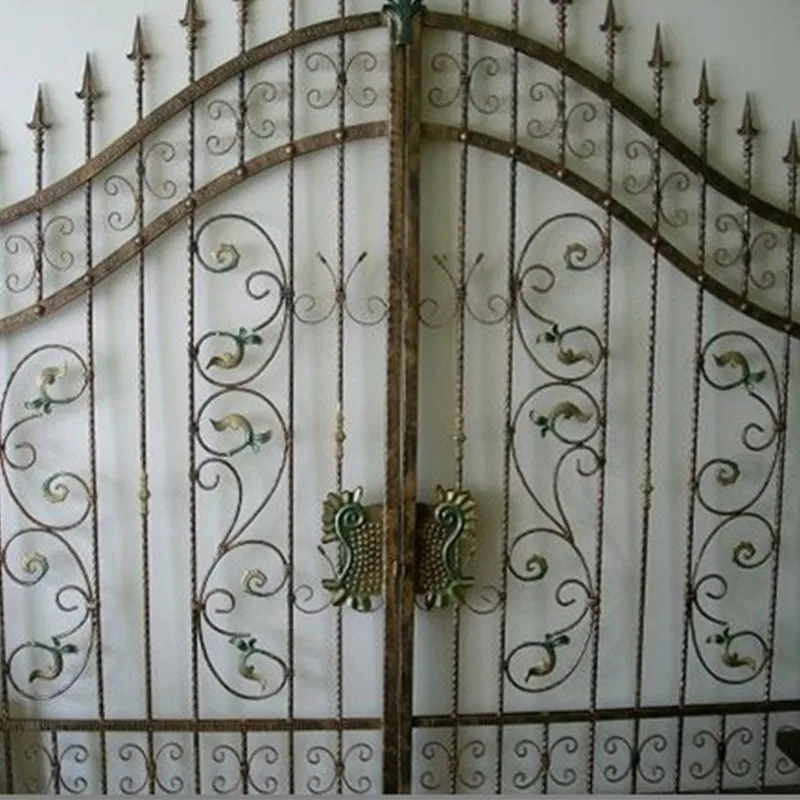
Residential gates, boutique hotels, schools, parks, HOAs—plus light industrial perimeters. The big advantages of cast iron fence spears style components in mild-steel castings: tough, weldable, consistent tip geometry, and easier color matching across batches. Many installers say the press-fit options save real time on site.
Vendor comparison (what specifiers look at)
| Vendor | Certs | MOQ | Lead Time | Coating Spec | Customization |
|---|---|---|---|---|---|
| Aobang Metal (Shijiazhuang) | ISO 9001, ISO 1461 compliant | ≈1,000 pcs | 15–25 days | HDG + ≥80 μm powder | Custom dies, RAL, stems |
| Vendor B | ISO 9001 | ≈2,000 pcs | 25–35 days | Pre-galv + powder | Limited shapes |
| Vendor C | — | 500 pcs | 10–20 days | Paint only | Basic colors |
Customization and small notes from the field
- Tip geometry can be matched to heritage patterns (nice for restorations).
- Stems drilled for set-screws help where welding is restricted.
- RAL color matching: matte black remains king, but bronze and textured anthracite are trending.
Case snippets and feedback
A coastal HOA retrofit reported zero red rust after 18 months—helped by HDG plus powder and better drainage holes. A boutique hotel in the mountains wanted quiet security; the tighter spear spacing did the trick. Installers told me the cast iron fence spears-style press-fit saved “about half a day” per 40 m run.

Certifications, tests, and what to put in your spec
- Material: Q235 / ASTM A36 grade or equivalent, MTRs on request.
- Coating: ISO 1461 for HDG; powder to ≥80 μm; adhesion per cross-hatch.
- Corrosion: ≥500 h NSS salt spray (ISO 9227 / ASTM B117) for coastal-light duty; 1,000 h for harsh sites.
- Warranty: ask for 5–10 years on coating; service life typically 10–25 years with maintenance.
Final thought: if you’re comparing cast iron fence spears across vendors, push for coating data and a couple of cut samples. It seems simple, but that’s where the truth hides.
References
- ISO 1461: Hot dip galvanized coatings — Specifications and test methods.
- ASTM B117: Standard Practice for Operating Salt Spray (Fog) Apparatus.
- ISO 9227: Corrosion tests in artificial atmospheres — Salt spray tests.
- ASTM A36/A36M: Standard Specification for Carbon Structural Steel.

-
Heavy Duty Ramp Gate Hinges Guide for Industrial EquipmentNewsApr.16,2026
-
Guide to Selecting the Right Ramp Door Spring Hinge for TrailersNewsApr.09,2026
-
Comprehensive Guide to Livestock Trailer Gate Hinges for Durable PerformanceNewsApr.07,2026
-
Choosing the Right Heavy Duty Hinges for Ramps A Comprehensive GuideNewsApr.04,2026
-
Comprehensive Guide to Choosing the Right Enclosed Trailer Ramp Door Extension HingeNewsMar.31,2026
-
Comprehensive Guide to Bi Fold Trailer Gate Hinges for Optimal PerformanceNewsMar.28,2026
-
Comprehensive Guide to Durable Aluminum Trailer Ramp Hinges for Optimal PerformanceNewsMar.26,2026